The 'Nancy Meyers aesthetic,' with its cozy, aspirational homes straight from 90s rom-coms, now ranks among the most searched interior design terms on social media, a clear departure from years of stark minimalism, according to Us Weekly. This surge in interest reveals a profound shift in what we seek from our homes: a move from mere aesthetics to spaces that truly resonate with our hearts.
For too long, minimalist design dictated our home aesthetics. Now, a powerful wave of nostalgia for the inviting, lived-in spaces of Nancy Meyers films is driving a delightful counter-trend. We are clearly yearning for interiors that feel both aspirational and deeply comforting, a welcome change from stark or impersonal rooms.
Given the rapid rise in search interest and widespread fatigue with starkness, the design industry appears likely to embrace a sustained shift towards warmer, more personalized, and comfort-driven interiors well into 2026. A cultural turning point is evident, as we collectively seek psychological comfort and nostalgic escapism, choosing warmth over cold aesthetic purity.
Defining the Nancy Meyers Look
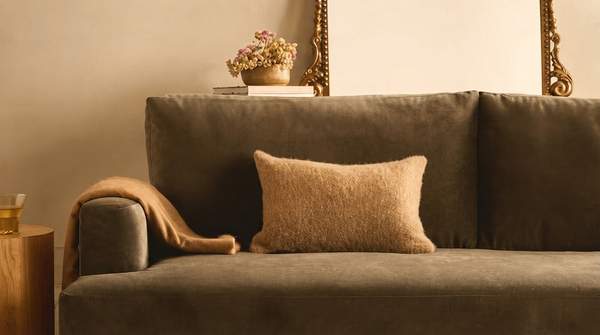
The slipcover sofa stands as a foundational piece for the Nancy Meyers aesthetic, offering a look that is both polished and inviting, according to Us Weekly. This choice of furniture perfectly captures the aesthetic's blend of aspirational elegance and lived-in warmth, making a statement about comfort without sacrificing style.
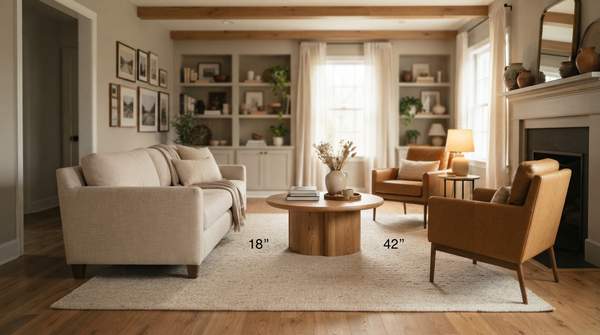
Beyond this iconic sofa, the Nancy Meyers aesthetic thrives on abundant natural light, rich layered textures, and open, inviting kitchen spaces. Imagine large, sun-drenched windows, soft linen fabrics draping elegantly, and functional yet beautiful cookware proudly displayed. This creates an atmosphere of effortless elegance, suggesting a home truly lived in and loved, rather than merely admired.
Why Now? The Roots of the Resurgence
The Nancy Meyers home aesthetic is fueled by a powerful nostalgia for 1990s and early-2000s romantic comedies, coupled with a growing fatigue with stark minimalism, according to Us Weekly. This resurgence offers a potent antidote to the perceived coldness and impersonality that many have come to associate with years of minimalist dominance.