Hygge and lagom are both Scandinavian approaches to living well, but they answer different questions. Hygge, the Danish concept, is about creating an atmosphere of warmth, comfort, and simple pleasures. Lagom, its Swedish counterpart, means "just the right amount" and prioritizes balance and moderation over cozy abundance. As a Hindustan Times feature by Adrija Dey puts it, hygge is "about creating an atmosphere that fosters well-being," while lagom "promotes balance, simplicity, and mindful living, choosing not excess, nor scarcity, but the perfect equilibrium for your needs." Understanding that distinction helps you decide which principles to bring into your own rooms.
Hygge: Embracing Cozy Comfort
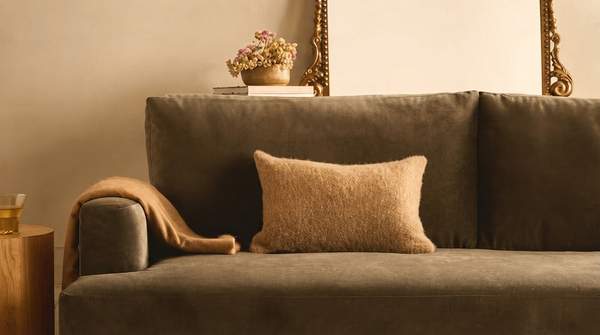
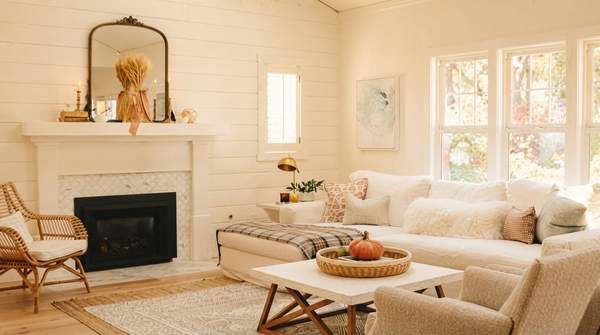
Hygge (pronounced "hyoo-guh") is a Danish quality of comfort that has permeated home interiors over the last several years, as Reviewed's Cheryl Fenton describes it. In practice, it means designing for feeling first: soft lighting, candles, blankets, and fluffy socks for a cozy moment. Writing for Virginia Hayward Hampers, Amy Bennett frames hygge decor as "not only about aesthetics, but also about embracing the Danish culture of warmth, well-being, and simple pleasures," with the goal of a comfortable atmosphere that nurtures you and strengthens bonds with loved ones.
Importantly, hygge is not about accumulating stuff. Bennett identifies simplifying and decluttering as an essential part of the hygge lifestyle, because a peaceful, stress-free environment is what lets you actually enjoy life's simple pleasures. The objects that remain—tactile comforts like throws and candles—are chosen because they serve that feeling.
Lagom: The Art of Mindful Balance
Lagom (pronounced "lah-gom" or "lar-gohm") is a Swedish translation of "just the right amount." Fenton characterizes it as simple minimalistic living: "You have just what you need, and you aren't living in abundance or being wasteful." Where hygge reaches for the candles and blankets, lagom is an ethos of knowing when to stop—an entire lifestyle rooted in balance rather than a single cozy moment.
The Modern Dane, a Scandinavian design blog, connects lagom to the broader culture: moderation and balance in every aspect of life carries into interior design, where balancing color, texture, and natural elements helps achieve it. A book bundle description on Amazon captures the practical division of labor neatly: "Hygge focuses on your environment. Lagom focuses on your decisions"—including reducing excess without feeling restricted and avoiding extremes in daily habits.
Hygge vs. Lagom: A Home Decor Decision Framework
To choose between the two—or to blend them—contrast them across the dimensions that actually drive decor decisions: the core philosophy, the atmosphere each produces, how each treats possessions, and the concrete elements each brings into a room. The table below does exactly that, drawing on the definitions and examples above.
| Dimension | Hygge | Lagom |
|---|---|---|
| Core philosophy | Danish concept of warmth, well-being, and simple pleasures | Swedish "just the right amount"—balance, simplicity, mindful living |
| Key feeling / atmosphere | Cozy, serene, stress-free comfort; a space that nurtures | Tranquil equilibrium; functional simplicity without excess or scarcity |
| Approach to possessions | Declutter to make room for comfort-inducing items that bring joy | Reduce excess without feeling restricted; keep only what is functional and "just right" |
| Example decor elements | Soft lighting, candles, blankets, fluffy socks, natural elements like wood, greenery, and clay | Clean, minimal arrangements; balanced color, texture, and natural elements; sustainable, downsized living |
Read across the rows, the pattern is clear: hygge optimizes for cozy abundance in the moment, while lagom optimizes for long-term equilibrium. Neither requires the other's absence—lagom's "reduce without restriction" and hygge's "keep what brings joy" point in compatible directions when you choose what stays in a room.
Applying Hygge Principles: Creating a Sanctuary of Coziness
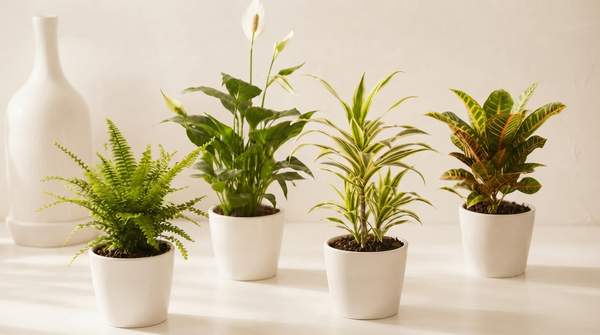
To hygge a room, start with light and touch. Soft lighting and candles set the mood Dey describes, while natural elements—wood, greenery, clay—create a warm, welcoming connection to nature, according to Bennett. Layer in tactile comforts: blankets, throws, and soft textures you actually want to wrap yourself in.
Then declutter with feeling as the filter. Bennett recommends going through your belongings and keeping only the items that bring you joy and happiness, describing the process as "both liberating and therapeutic"—letting go of what no longer serves you to make room for what truly matters. The result is a serene space that fosters relaxation and well-being, whether that means a steaming bath with flickering candles or, as one design blog illustrates, being cuddled up in a fuzzy blanket under the stars.
Applying Lagom Principles: Designing for Intentional Simplicity
Lagom starts with a decision rather than a mood: what is enough? Fenton points to downsizing as a lived expression of the philosophy—people limiting their environmental footprint by living in spaces sometimes no larger than 300 square feet. You don't need to go that far, but the same question applies to a bookshelf or a living room: does each item earn its place?
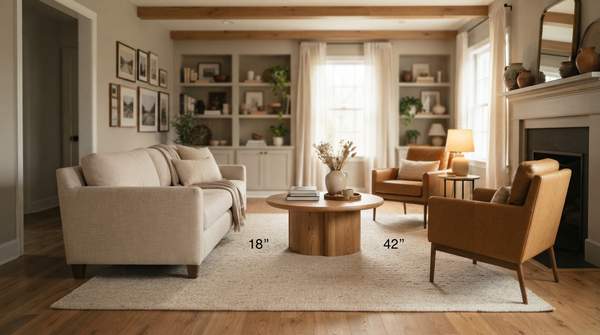
In decor terms, The Modern Dane's guidance is to balance color, texture, and natural elements rather than maximizing any one of them. Choose functional, aesthetically pleasing pieces and stop at "just right"—not so many that a room feels abundant and wasteful, not so few that it feels bare. The aim, per the Amazon book description, is reducing excess without feeling restricted, building routines and choices that are realistic and sustainable rather than drastic.
Making Your Choice: Hygge, Lagom, or a Harmonious Blend?
Homeowners can intentionally choose to apply hygge principles for a cozy, comforting environment, lagom principles for a balanced, minimalist space, or blend elements from both to create a uniquely harmonious home. The two are complementary frameworks, as the Amazon book description frames them—hygge shapes your environment, lagom shapes your decisions—and a practical blend might mean using lagom to decide what stays in a room and hygge to make what remains feel warm.
Because neither concept has hard and fast rules, as one design blog notes, your application can differ entirely from your neighbor's and still be faithful to the principle: focus on what is most important in your life and nurture it. The measure of success is your own satisfaction with your living space's atmosphere and functionality, reflected in your daily comfort and sense of well-being. If a room still feels either cluttered or cold after you've applied your chosen principles, that's your signal to rebalance—which is, fittingly, a very lagom response.
Sources
- Hygge vs Lagom: Scandinavian design secrets that make homes feel like a warm hug — Hindustan Times
- Is this Scandinavian home décor trend about to be as big as hygge? — Reviewed
- How to Hygge Your Home in 2024: Tips & Tricks for a cosy Home — Virginia Hayward Hampers
- Nordic Know-How: Hygge, Lagom and More Scandinavian Concepts Explained — The Modern Dane
- Hygge and Lagom — AMAZON
- Lagom vs Hygge: What’s the difference? — Khdhomes