Common Living Room Design Mistakes to Avoid

Many people unknowingly flatten their living rooms and kill the natural flow by simply lining every piece of furniture along the walls.

CW
Clara Whitmore

April 14, 2026 · 6 min read

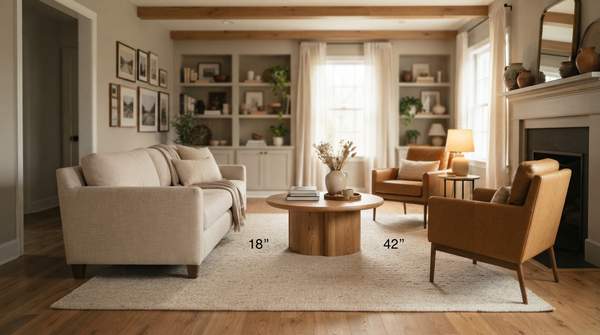
A well-arranged living room demonstrating good furniture placement and flow, avoiding common design mistakes for a cozy and inviting atmosphere.

Many people unknowingly flatten their living rooms and kill the natural flow by simply lining every piece of furniture along the walls. This common design error, driven by a desire for open space, paradoxically makes rooms feel both cramped and empty. You invest significant time and money into decorating your home, yet fundamental spatial planning principles are often overlooked, undermining your efforts. Without a foundational understanding of layout and proportion, living rooms feel less inviting.ng and functional than intended. As camillestyles highlights, pushing furniture against walls isn't just suboptimal; it actively creates dysfunctional, empty spaces.

Key Insights on Living Room Design

  • Flow disruption — The common instinct to maximize perceived open space by pushing furniture to walls actually flattens the room and kills flow, directly counteracting the goal of creating functional zones, especially in open-plan layouts.
  • Spatial balance — While people often worry about cluttering a room, too much space between key furniture pieces can be as detrimental as too little, disrupting both functionality and visual cohesion.
  • Rugs define zones — Contrary to popular belief that rugs are mere decorative accents, their primary function in a well-designed living room is to define and anchor seating zones, acting as a foundational element that dictates furniture placement.
  • Integrated planning — The challenge of designing open-plan spaces isn't just about furniture arrangement; it's about integrating often-overlooked elements like lighting and cohesive decor from the outset to prevent visual chaos and establish distinct, functional zones.
  • Lighting's impact — Ignoring foundational elements like proper lighting and cohesive decor from the outset, as houzz points out for open-plan rooms, guarantees a chaotic and uninviting space.

Avoiding Common Pitfalls in Layout and Scale

1. Using an Undersized Area Rug

Best for: Homeowners seeking to define their living room's conversational area.

An undersized rug shrinks the space and leaves furniture floating. For cohesion, a rug should accommodate all seating, or at least extend under the front legs of furniture, as camillestyles advises. A properly sized rug anchors the entire room, preventing a disjointed feel.

Strengths: Defines seating zones, grounds furniture | Limitations: Can make room feel disjointed if too small | Price: Varies by size and material

2. Poor Furniture Layout and Placement

Best for: Individuals aiming for optimal flow and conversational groupings.

Poor furniture layout hinders flow and flattens the space. Maintain 14–18 inches between your sofa and coffee table for comfortable movement, and ensure main pathways are 30-36 inches wide, camillestyles recommends. Leave at least 24 inches between armchairs. This prioritizes conversation and ease, moving beyond static wall-hugging arrangements.

Strengths: Improves room functionality, enhances conversation | Limitations: Requires careful measurement and planning | Price: No direct cost, only time investment

3. Relying Solely on Overhead Lighting

Best for: Creating layered illumination and ambiance.

Relying only on overhead lighting makes a living room feel stark, like a conference room, rather than a warm gathering space, housebeautiful notes. For open-plan rooms, lighting is often an afterthought, hindering ambiance, houzz reports. Integrated planning from the outset is crucial, as layered lighting defines zones and sets the mood.

Strengths: Creates warmth and depth, allows for mood control | Limitations: Requires multiple light sources, can be complex to wire | Price: Varies by fixture type and installation

4. Using Precious or High-Maintenance Fabrics

Best for: Families and active households seeking durable, functional furniture.

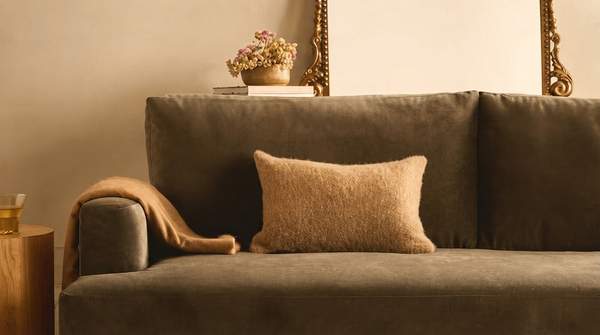
Precious fabrics discourage daily use, transforming living room furniture into display pieces instead of comfortable seating, housebeautiful explains. Modern high-performance fabrics handle wear and spills, making your space truly inviting and practical for real life.

Strengths: Enhances usability, resists wear and tear | Limitations: May have fewer style options, potentially higher initial cost | Price: Varies by fabric type

5. Not Prioritizing Functionality and Conversation

Best for: Designing a space that serves its purpose as a communal gathering area.

A functional living room prioritizes conversation and ease over a purely visual focal point, housebeautiful states. An uncomfortable or difficult-to-navigate beautiful room is useless. Usability must guide layout choices, ensuring the space truly serves its purpose as a gathering area.

Strengths: Creates an inviting atmosphere, promotes interaction | Limitations: May require compromise on purely aesthetic choices | Price: No direct cost

6. Incorrect Furniture Scale (Too Large or Too Small)

Best for: Achieving visual balance and preventing overcrowding or emptiness.

Incorrect furniture scale disrupts a room's harmony. Overly large pieces overwhelm, while small ones make everything float, camillestyles notes. In open-plan spaces, oversized furniture inhibits flow, with thoroughfares ideally 35 to 40 inches wide, houzz advises. Achieving this balance is crucial for a functional and aesthetically pleasing space.

Strengths: Creates harmony, optimizes space use | Limitations: Requires precise measurement and selection | Price: Varies by furniture cost

7. Not Zoning Open-Plan Spaces

Best for: Defining distinct functional areas within a large, open layout.

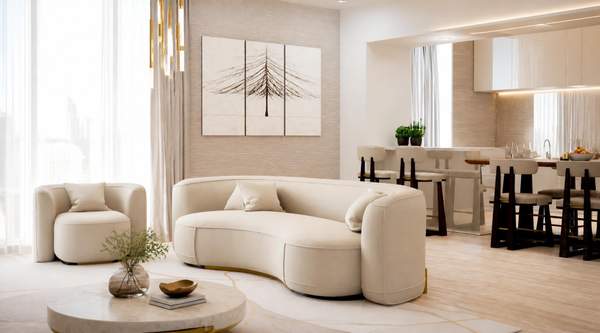
Open-plan spaces demand zoning into separate areas — for cooking, dining, and relaxing — to be functional and visually appealing, houzz reports. Without clear zones, a large room feels chaotic and lacks purpose, failing to serve diverse household needs.

Strengths: Enhances functionality, improves visual appeal | Limitations: Requires thoughtful planning of furniture and decor | Price: No direct cost, relies on layout strategy

8. Mismatched Furniture and Decor in Open-Plan Spaces

Best for: Maintaining visual coherence and a unified aesthetic in expansive areas.

Mismatched furniture and decor overcomplicate open-plan spaces, making them appear busy and disjointed, houzz states. A cohesive design, even with varied elements, prevents visual chaos and strengthens the room's overall appeal, creating a sense of calm and intention.

Strengths: Creates a harmonious look, reduces visual clutter | Limitations: Requires careful selection and coordination | Price: Varies by decor item cost

Mistake CategoryKey ImpactCore Solution
Undersized Area RugMakes space feel smaller, furniture floats awkwardlyRug extends under front legs of all seating
Poor Furniture LayoutHinders flow, flattens space, poor conversationCreate conversational groupings, allow 30-36 inch pathways
Solely Overhead LightingRoom feels like a conference room, lacks ambianceIncorporate layered lighting early in design
Precious FabricsDiscourages everyday use, reduces functionalitySelect durable, high-performance fabrics
No Functional PriorityRoom is beautiful but uncomfortable or difficult to navigateDesign for conversation and ease of movement
Incorrect Furniture ScaleOverwhelms or empties the room, inhibits flowMeasure carefully, ensure furniture fits room proportions
No Open-Plan ZoningSpace feels chaotic, lacks defined purposeDivide open areas into distinct functional zones
Mismatched DecorOvercomplicates open spaces, looks busyEnsure visual coherence across furniture and decor

Bottom Line

The widespread habit of pushing living room furniture against walls actively destroys a room's functionality and aesthetic appeal. By 2026, interior design firms, including HomeStyle & Beyond, that prioritize educating clients on spatial planning and zoning over merely selling individual pieces will likely see increased client satisfaction and market share, guiding homeowners toward truly functional and beautiful living spaces.

Why does pushing furniture against walls hinder a living room's design?

Pushing all furniture against walls, while seemingly maximizing open space, actually flattens the room and kills its natural flow. This arrangement prevents the creation of intimate conversational groupings and makes the room feel less inviting, creating a void in the center.

How does proper rug sizing influence a living room's overall feel?

Proper rug sizing is foundational for defining and anchoring seating zones within a living room. A well-sized rug visually connects furniture pieces, preventing them from appearing to float and establishing a clear, cohesive boundary for the conversational area.

What role does layered lighting play in creating an inviting open-plan living space?

Layered lighting, incorporating ambient, task, and accent lights, is crucial for creating warmth and varied ambiance in an open-plan living space. This approach avoids the starkness of sole overhead lighting, allowing for distinct moods and highlighting specific areas within the larger room.