Homeowners are increasingly transforming spare rooms into 'work-sanctuaries,' demanding furniture that transitions seamlessly from a high-stakes video call to a quiet moment of reflection. Multifunctional design is a major interior trend, with homeowners seeking spaces that blend work and relaxation, according to Cuindependent. While home office furniture sales are projected to grow steadily, the very definition of 'office furniture' is expanding beyond simple desks and chairs. It now embraces holistic well-being and multi-functional elements. Manufacturers and retailers must swiftly adapt to these evolving demands for integrated, wellness-focused solutions, or risk being outpaced by more agile competitors.
The New Ergonomic Standard
Advanced ergonomics now define productivity. The Uplift V3 stands out for its customizability, wide height range, and stability, earning top marks after testing over 30 standing desks, according to Nytimes. For stationary setups, the Flexispot AlcoveRiser M7 is the best standing desk converter. The Steelcase Gesture is recommended as the best office chair for most, praised for its support, adjustability, and durability. These top-tier individual pieces underscore a foundational truth: while perfect posture and personalized comfort are essential, they alone no longer satisfy the modern homeowner's broader desire for a truly integrated work-sanctuary.
Designing for Sanctuary: Beyond Pure Function
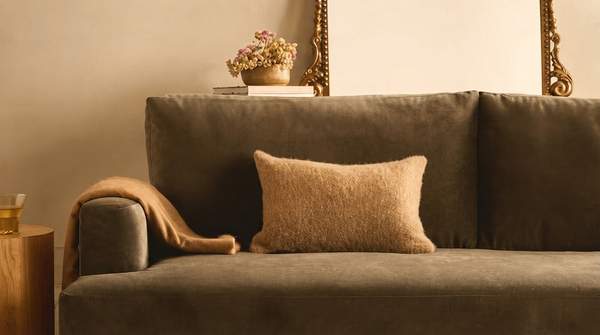
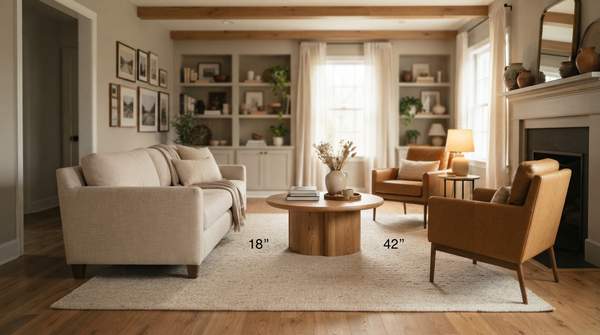
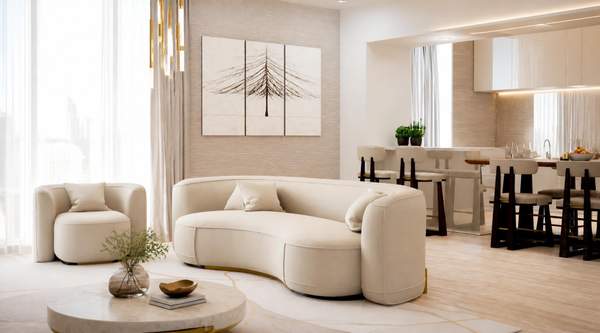
Design trends now integrate elements for mental well-being, moving beyond mere functionality. Acoustic design is a rising priority in home offices, crucial for video calls and digital collaboration. Soft furnishings and acoustic treatments improve concentration, Cuindependent reports. Natural materials like woodgrain and stone, alongside earthy palettes, increasingly bring the outdoors inside. Manufacturers prioritizing only individual ergonomic pieces, like those NYT recommends, risk missing the bigger picture: the modern home office consumer demands a holistic 'work-sanctuary.' Integrated design and well-being features are no longer optional.
Market Forces Reshaping Delivery
E-commerce has permanently reshaped how furniture reaches consumers, straining logistics and delivery, according to IndexBox. This shift complicates creating a true 'work-sanctuary,' as evaluating acoustic properties, material textures, and multi-functional integration is significantly harder without physical interaction. Brands must urgently innovate digital presentation methods to effectively convey the tactile and experiential qualities of these 'work-sanctuary' elements online. Otherwise, they risk losing consumers who cannot properly evaluate crucial features like acoustic design and natural materials, Cuindependent suggests.