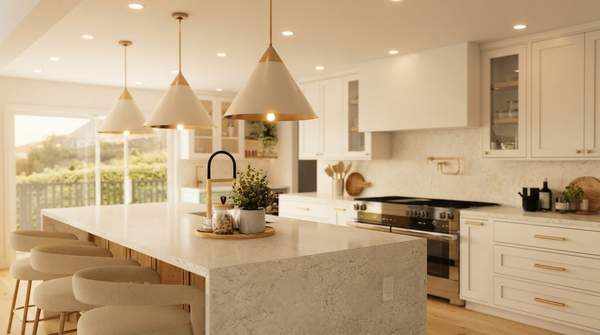
Many aspiring minimalists mistakenly believe they must strip their homes bare, leading to stark, uninviting spaces that feel more like a museum than a home. People are drawn to the idea of minimalist living for its promise of calm and order, but often make mistakes that result in cold, empty rooms rather than serene sanctuaries. Homeowners, in their zeal to declutter, often strip away essential elements like proper lighting and texture, inadvertently creating the very sterile environments they sought to avoid. As homeowners increasingly seek both aesthetic appeal and practical comfort, midimalism will emerge as the dominant and more sustainable approach to decluttered living, offering a balanced home decor approach for 2026. Herzogs identifies common minimalist decor mistakes, such as adding too much furniture, leaving empty space without lighting, using too many colors, and lacking texture. Midimalism addresses these pitfalls by prioritizing warmth and functionality over bareness, ensuring a home feels both curated and deeply inviting.
What is Midimalism?
Midimalism, a design philosophy gaining significant traction in 2026, gracefully fuses the clean lines of minimalist principles with an essential focus on comfort, rich texture, and genuine personal expression. It acknowledges that a home should primarily feel lived-in and deeply inviting, rather than merely appearing as an empty, pristine showroom. While Herzogs recommends a neutral color palette to avoid a cluttered look, midimalism embraces this curated aesthetic, focusing on intentional choices that create harmony without overwhelming the senses. Subtle pops of color through artwork or textiles prevent the space from feeling monotonous. Every piece holds meaning and purpose, selected not just for its function, but for its contribution to the overall ambiance.
Practical Steps to a Balanced Minimalist Home
To cultivate a midimalist environment, begin by selecting furniture pieces that serve more than one purpose, maximizing functionality without sacrificing style. An ottoman with hidden storage or a sofa bed in a guest room offers practical solutions. While Herzogs advises to "empty the room first, then putting back only what is needed," this strategy alone risks creating uninviting, museum-like environments. True midimalism requires prioritizing the strategic addition of elements like varied lighting and texture to foster livability and warmth. Adequate lighting is crucial in minimalist spaces to prevent rooms from feeling empty and stark, and to add visual interest. Incorporate varied lighting sources, such as ambient overhead lights, task lighting for reading nooks, and accent lighting to highlight artwork or architectural features. Layered lighting creates depth and warmth, transforming a potentially cold space into an inviting sanctuary. Thoughtful planning, from furniture selection to lighting design, is key to creating a space that is both practical and inviting.