Minimalism's Barely-There Era Is Over. Warmth and Expression Reign Supreme.

Once a ubiquitous sign of modern elegance, the fluting design detail is now being actively retired by designers, signaling a broader rejection of sterile trends in home aesthetics.

CW
Clara Whitmore

June 6, 2026 · 3 min read

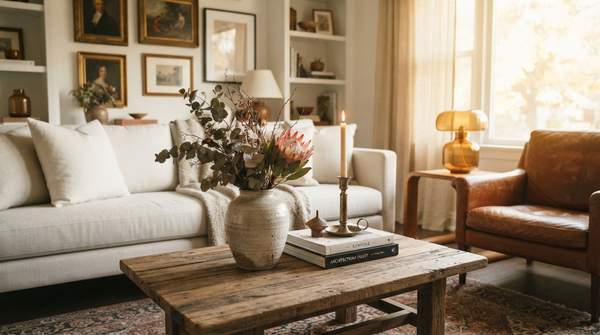
A warm and expressive living room interior, showcasing plush textures, rich colors, and personal decorative items, signifying a shift from minimalism.

Once a ubiquitous sign of modern elegance, the fluting design detail is now being actively retired by designers, signaling a broader rejection of sterile trends in home aesthetics. A swift departure from a recently popular element reveals a significant shift in what homeowners desire for their living spaces. The emphasis moves away from impersonal, stark designs towards environments that offer genuine comfort and personal narrative, reshaping how we approach warmth in home design for 2026.

The pursuit of clean, minimalist spaces once defined aspirational home design, but now a desire for warmth and personal expression is driving a complete aesthetic overhaul. This tension reveals a deeper cultural movement: a yearning for authenticity over curated perfection. The clean lines and unadorned surfaces that once conveyed sophistication are giving way to textures, layers, and stories.

Home design is likely to continue evolving towards highly individualized, comfort-driven spaces, challenging the long-held dominance of austere, impersonal aesthetics. This means homeowners are seeking more than just visually appealing rooms; they want spaces that truly feel like home, inviting connection and reflection.

The Retreat of 'Barely-There' Aesthetics

The 'barely-there' aesthetic, with its stark white walls and minimal art, is giving way to warmth, lived-in character, and personal expression, reports House Beautiful. This shift reveals a profound re-evaluation of what makes a home truly desirable. Your home can now become a true reflection of your journey, with rooms that tell your story through carefully chosen pieces, rather than remaining blank canvases. The era of sterile perfection is giving way to a human-centered approach, where every object contributes to a feeling of belonging.

Minimalism's Cozier Evolution

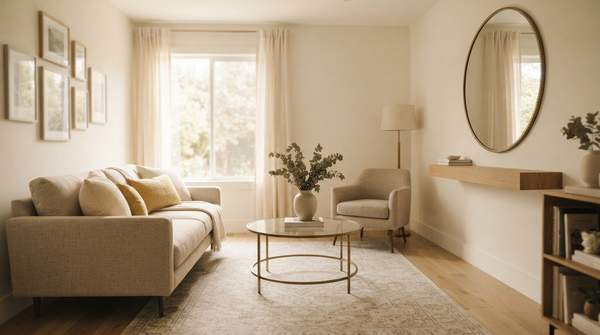
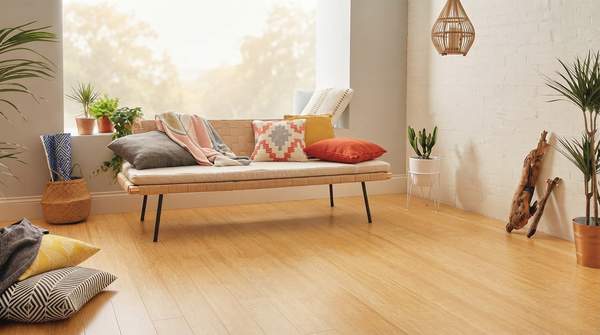
While the 'barely-there' aesthetic recedes, a cozier take on minimalism will be popular in 2026, suggests Martha Stewart. This means extreme austerity is out, but simplicity and intentionality are reinterpreted with comfort and personal touch. You can embrace a pared-down aesthetic that feels deeply personal and warm, using natural materials like wood and wool, softer color palettes, and curated textures. The goal is uncluttered, profoundly comforting spaces that support your well-being.
The Retirement of Specific Trends

Fluting, once a popular design detail, is now overused and being retired by designers, House Beautiful reports. The rejection of fluting signals a broader fatigue with trends that prioritize sleekness over soul. The rapid saturation and discard of details like fluting underscore the accelerated lifecycle of digital-age trends, where aspirational elements quickly become overexposed. This pushes designers to seek fresh expressions, encouraging you to look beyond fleeting fads. The market now prioritizes authentic, lived-in character over sterile, trend-driven aesthetics for your home.

Designing for a Lived-In Future

This collective movement towards warmth and individuality implies a future where homes are less about curated perfection and more about reflecting unique stories and deep comfort. By 2026, leading interior firms like Studio McGee are already showcasing designs that blend sophisticated simplicity with an undeniable sense of warmth, setting a clear path for your own home's evolution.

How to balance negative space with warmth in interior design?

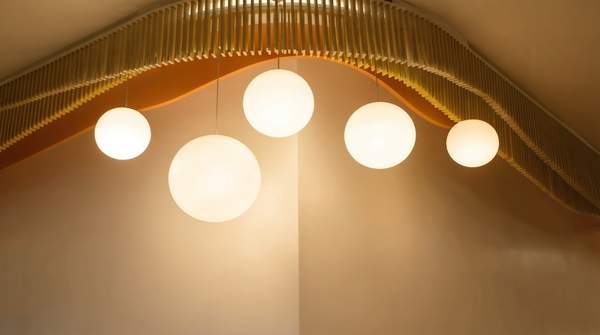
To balance negative space with warmth, consider integrating diverse textures and natural materials. For example, a minimalist living room with clean lines can feel inviting by adding a chunky knit throw, a wooden coffee table, or a sheepskin rug. Strategic lighting, such as warm-toned LED strips or ambient lamps, can also soften expansive areas.

What are the benefits of negative space in a home?

Negative space in your home offers several benefits, including promoting mental clarity and reducing visual clutter. It allows your eyes to rest, highlighting key decorative pieces or architectural features. Additionally, it can improve the flow and spaciousness of a room, making even smaller areas feel more expansive and breathable.

Can negative space feel cozy and inviting?

Absolutely, negative space can feel cozy and inviting when thoughtfully designed. Instead of viewing it as emptiness, consider it as breathing room. Incorporate elements like soft, diffused lighting, a single comfortable armchair in an otherwise open corner, or large, leafy indoor plants to add life and a touch of nature without overwhelming the open areas, creating a serene and welcoming ambiance.