For decades, rigid guidelines promised a 'perfect' home. Now, interior designers are embracing a different approach: thoughtfully setting aside those rules to personalize spaces. This guide ranks seven traditional decorating rules that designers suggest homeowners reconsider, evaluating their power to unlock personal expression and create a home that feels authentically lived-in and loved, rather than merely 'perfect'.
The ranked list, reflecting a reported shift in design philosophy for 2026, was compiled by analyzing current interior design commentary. Each rule was selected for its potential to introduce character and a personalized feel into a home.
1. The "Matching Furniture Sets" Mandate — Best for an Evolved, Collected Look
The old rule of matching furniture sets—a sofa, loveseat, and armchair all cut from the same cloth—creates spaces that lack depth and fail to tell a story. The modern approach celebrates an eclectic, curated aesthetic, reflecting a personal journey with pieces acquired over time, rather than a uniform set from a single catalog page.
This rule-break is ideal for the sentimentalist and the antique-lover, or anyone who wants their home to feel layered and developed. By mixing a sleek, modern sofa with a pair of vintage velvet armchairs or a rustic wooden coffee table, you create visual interest and tension. This method ranks highest because it fundamentally changes a room's narrative from "purchased" to "collected." According to a report from Homes & Gardens, the overarching theme in stylish homes today is creating highly personalized spaces that are characterful and layered. Mixing furniture is a direct expression of this ethos. The primary drawback is that it requires more effort and a confident eye; without a unifying element like color or scale, a mixed-style room can feel disjointed rather than intentionally curated.
- Modern Principle: Curate, don't coordinate. Select individual pieces you love and unite them with a consistent color palette or complementary shapes.
2. The Myth of "Small Rooms Must Be White" — Best for Creating a Cozy Retreat
The persistent rule to paint small spaces white to make them feel larger, based on light colors receding to create an illusion of space, often results in generic rooms lacking personality. Instead, embracing deep, moody colors like charcoal gray or emerald green in a small powder room or cozy den capitalizes on the room's inherent intimacy.
This rule-break is perfect for the homeowner who wants to create an intimate, jewel-box-like atmosphere. Instead of fighting a small room's dimensions, the modern approach is to lean into its coziness. A dark, saturated color can blur the room's corners, creating a sense of depth and enveloping you in a sophisticated, comforting hug. This choice is a powerful way to make a statement and inject emotion into a space that might otherwise be overlooked. One limitation, however, is that this approach requires good lighting—both natural and artificial—to prevent the room from feeling gloomy rather than glamorous. Strategically placed lamps and sconces are essential.
- Modern Principle: Embrace a room's natural size and use deep colors to create an intentional atmosphere of intimacy and drama.
3. The "One Metal Finish" Rule — Best for a Rich, Layered Interior
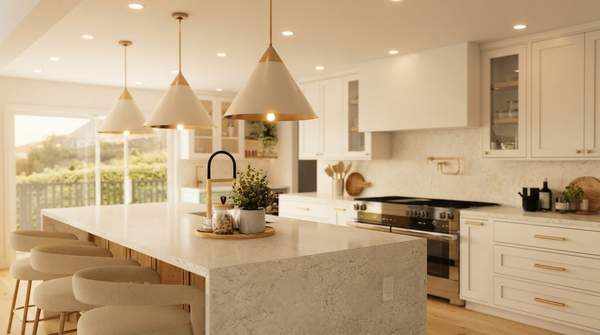
Designers traditionally advised using one metal finish—polished chrome, brushed nickel, or oil-rubbed bronze—exclusively for a cohesive look. While safe, this approach can feel one-dimensional and dated. Today, confidently mixing metallic finishes, much like mixing textures in fabrics, achieves a more dynamic and sophisticated aesthetic.
To add subtle complexity, create a thoughtful hierarchy when mixing metals: choose one dominant metal, a secondary for accents, and a third in a small dose. For example, pair matte black faucets with aged brass cabinet pulls and stainless steel appliances. This technique adds visual richness, but balance is key; a random mix of three or four competing shiny surfaces can look chaotic. Sticking to two or three distinct finishes is a reliable strategy.
- Modern Principle: Mix metals intentionally for depth and a custom feel, using one dominant finish and one or two accents.
4. The "Sofa Against the Wall" Default — Best for Enhancing Flow and Conversation
The common practice of pushing large furniture—sofas and armchairs—firmly against walls, often to maximize open floor space, creates a distant, impersonal "dance floor" effect. This layout hinders intimate conversation and treats the room as a pathway rather than a destination.
To foster connection and improve a room's energy, "float" sofas and chairs away from walls to create purposeful conversational groupings. Pulling a sofa even a few inches off the wall makes a room breathe, and arranging seating around a central coffee table or area rug defines a cozy zone. This also improves overall space flow, creating clear walkways behind furniture. While very narrow or small rooms limit floating furniture, even a small gap between the sofa and wall can make a subtle difference.
- Modern Principle: Float furniture away from walls to define zones, encourage interaction, and create better flow and intimacy.
5. The "Symmetry is Everything" Dogma — Best for a Relaxed, Organic Vibe
Perfectly balanced arrangements, like a mantelpiece with a central mirror and identical candlesticks or a bed with matching nightstands, create order. However, an over-reliance on mirror-image symmetry can make a room feel rigid, formal, and predictable. A home that reflects life's inherent asymmetry can feel more authentic and welcoming.
Asymmetry creates a dynamic, visually interesting space, appealing to those who appreciate organic beauty and a laid-back aesthetic. Instead of matching bedside tables, use a small chest of drawers on one side and a delicate pedestal table on the other. Balance a large sofa with two smaller armchairs opposite. The goal is balanced asymmetry, distributing visual weight with different objects, not chaos. This approach is trickier to master, requiring an eye for balance over a strict formula.
- Modern Principle: Create a dynamic, lived-in composition by balancing varied objects of similar visual weight, rather than relying on perfect symmetry.
6. The "Art at Eye Level" Standard — Best for a Dynamic, Expressive Display
The standard gallery rule is to hang art so its center is at "eye level," typically 57-60 inches from the floor. This is a solid guideline for a single piece of art on an empty wall, but applying it universally stifles creativity and ignores the context of the room. It prevents you from creating the stunning, floor-to-ceiling gallery walls or playful, unexpected art moments that infuse a space with personality.
Treat your walls as a canvas for storytelling, a modern approach ideal for art collectors and memory keepers. Hang a large piece low over a sofa, lean frames on a picture ledge, or place a small painting on a kitchen counter. A gallery wall with varied sizes, frames, and heights creates an organic, evolving display. Avoid clutter by laying out your collection on the floor first to find a balanced composition before hanging.
- Modern Principle: Hang art in relation to the furniture, architecture, and other pieces around it, not based on a rigid height formula.
7. The "Avoid All Trends" Warning — Best for a Joyful, Contemporary Home
There's a common piece of advice to invest only in "timeless" pieces and avoid trends, which are seen as frivolous and fleeting. The fear is that you'll spend money on something—like bouclé fabric or a fluted side table—only for it to look dated in a few years. While it's wise to invest in classic, well-made foundational pieces, completely shunning trends can result in a home that feels safe but also static and devoid of fun.
This rule-break is for anyone who wants their home to feel current and, most importantly, joyful. Decorating should be a source of pleasure. If a particular trend speaks to you and makes you happy, you should embrace it. As Homes & Gardens notes, "Decorating for joy is such a beautiful North Star – and actually kind of radical." Trends can be incorporated in low-commitment ways, like through pillows, throws, paint colors, or small decorative objects. The limitation is financial and environmental; chasing every micro-trend is unsustainable. The key is to be selective, choosing trends that genuinely align with your personal style rather than adopting them wholesale.
- Modern principle: Thoughtfully incorporate trends that bring you joy, especially through accessible accents, to keep your space feeling fresh and personal.
| Outdated Rule | Modern Alternative | Best For |
|---|---|---|
| Matching Furniture Sets | Curated, mix-and-match pieces | The eclectic collector seeking a layered look |
| Small Rooms Must Be White | Deep, moody colors for intimacy | Creating a cozy, jewel-box retreat |
| Stick to One Metal Finish | Mixing 2-3 complementary metals | Adding subtle, custom-designed richness |
| Sofa Must Be Against a Wall | Floating furniture to define zones | The host who wants to encourage conversation |
| Symmetry is Everything | Balanced asymmetry for a dynamic feel | The creative spirit with a relaxed aesthetic |
| Art Must Be at Eye Level | Contextual placement and gallery walls | The expressive art lover and storyteller |
| Avoid All Trends | Selectively incorporating joyful trends | The contemporary dweller who loves fun |
How We Chose This List
To select these seven rules, we analyzed commentary from interior design publications, such as a report from Stone Gable suggesting numerous rules are ripe for re-evaluation, and focused on principles that directly challenge traditional, formulaic decorating. The criteria for inclusion centered on the power of each rule-break to foster personalization, character, and joy—themes that designers report are central to creating stylish homes in 2026. We excluded rules related to fundamental safety, structural integrity, or basic function, focusing instead on aesthetic guidelines where personal expression can and should take precedence.
The Bottom Line
The most important rule in decorating is that your home should be a reflection of you. These "rules" were created as guidelines, not unbreakable laws. For the homeowner seeking a bold and immediate transformation, reconsidering the use of color in a small space offers the most dramatic impact. For those who prefer a more subtle shift, starting with mixing metal finishes or floating your sofa away from the wall are excellent entry points into creating a more personalized and thoughtfully designed home.