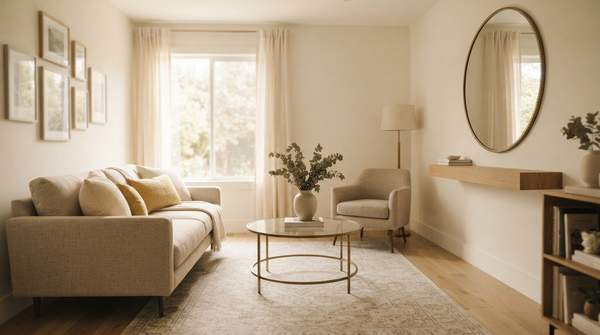
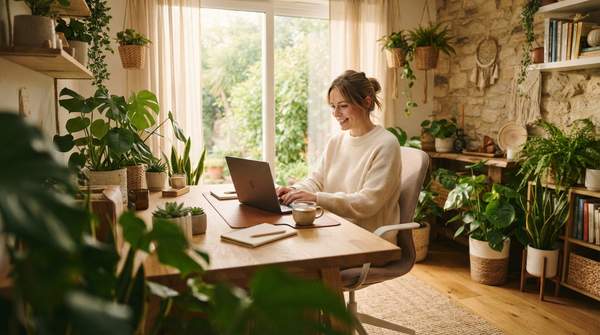
Home library bar design ideas: More than just books and booze

Searches for 'home library bar' surged by 45% on Houzz last year, signaling a quiet revolution in how homeowners design their personal sanctuaries.

CW
Clara Whitmore

April 18, 2026 · 5 min read

A luxurious home library bar featuring a well-stocked bar, comfortable seating, and shelves filled with books, creating an elegant space for reading and entertaining.

Searches for 'home library bar' surged by 45% on Houzz last year, signaling a quiet revolution in how homeowners design their personal sanctuaries. This dramatic increase reflects a growing desire for spaces that blend intellectual pursuits with sophisticated social engagement, moving beyond traditional single-purpose rooms.

People crave both quiet intellectual pursuits and sophisticated social entertainment, but they increasingly want to house these seemingly disparate activities within the same intimate home space. This creates a design challenge, where functionality and aesthetic cohesion must work in harmony, allowing seamless transitions between personal retreat and social interaction.

The trend towards integrated library-bar spaces will likely continue evolving, pushing home design towards more personalized, experience-driven multi-functional zones. This shift suggests a deeper homeowner demand for 'curated escapism,' where the lines between intellectual solitude and sophisticated social engagement blur, creating highly personalized sanctuaries.

This unexpected convergence of intellectual and leisure pursuits reflects a deeper shift in how we define personal luxury. Beyond Houzz, Pinterest Trends reported a 120% surge in saves for 'bookshelf bar ideas' since the pandemic began. Pinterest Trends' report of a 120% surge in saves for 'bookshelf bar ideas' confirms homeowners seek dedicated havens for self-enrichment and refined entertainment, often featuring bespoke elements like custom cabinetry and integrated lighting.

The Numbers Behind the Trend

  • 70% — High-end interior designers report that 70% of new luxury home projects now include a dedicated multi-functional leisure space, according to an Architectural Digest survey. These spaces often incorporate custom-designed features that serve both reading and entertaining needs.
  • $15,000 to $50,000 — The average cost for a custom-built library bar ranges from $15,000 to $50,000, depending on materials and complexity, according to the Custom Home Builders Association. The average cost of $15,000 to $50,000 for a custom-built library bar reflects the desire for high-quality craftsmanship and personalized design elements, such as built-in shelving and premium bar equipment.
  • 5-10% — Real estate agents report that homes with well-designed multi-functional spaces, like library bars, command a 5-10% higher asking price, according to the Luxury Real Estate Group. The 5-10% higher asking price for homes with well-designed multi-functional spaces suggests these integrated spaces are perceived as valuable assets, enhancing a home's overall appeal and market worth.
  • 30% — Sales of premium spirits and craft cocktail accessories have seen a parallel boom, up 30% in two years, according to a Beverage Industry Report. The 30% boom in sales of premium spirits and craft cocktail accessories points to a complementary trend of increased at-home entertaining and a desire for sophisticated beverage experiences, directly feeding the demand for home bar components.
  • Resurgence — Physical book sales have seen a resurgence, with independent bookstores reporting increased traffic, according to the American Booksellers Association. The resurgence in physical book sales aligns with the desire for a dedicated library space, emphasizing analog experiences in a digital age.
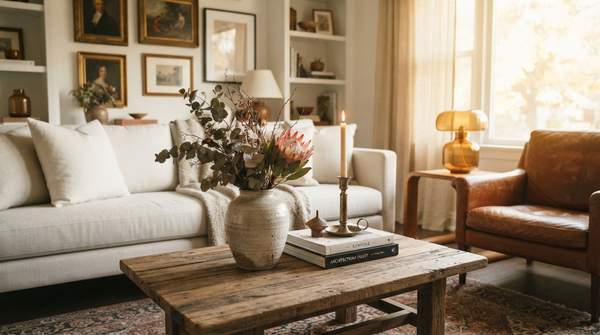
These figures reveal more than just a trend; they show a significant investment in bespoke, experience-rich environments. The premium placed on these spaces, coupled with a boom in premium spirits and physical book sales, confirms homeowners are actively curating havens for both intellectual stimulation and sophisticated social rituals. The active curation of havens for both intellectual stimulation and sophisticated social rituals suggests a shift from generic solutions to personalized, valuable home features.

Defining the Modern Library-Bar

CharacteristicTraditional Study/DenModern Library-Bar (2026)Key Enhancement
Primary FunctionQuiet work, readingReading, work, social entertaining, curated experiencesMulti-functional adaptability
Aesthetic FocusFormal, academic, sometimes utilitarianBlends classic elegance with modern comfortSophisticated comfort, personal style
Layout TrendDedicated, often isolated roomDefined, intimate zones within a larger home footprintInterconnected yet distinct zones
Furniture ElementsDesk, bookshelves, single armchairCustom integrated shelving, comfortable lounge seating, bespoke bar cabinetryIntegrated design, luxury materials
Lighting StrategyTask lighting, overhead fixturesLayered lighting (ambient, accent, task), often dimmableMood creation, enhanced ambiance

These modern library-bars are more than functional; they are carefully curated environments designed to evoke sophisticated comfort and personal expression. They blend classic elegance with modern comfort, featuring rich woods, plush seating, and integrated lighting, according to the Design Trends Annual. Designers observe a shift from open-plan living to more defined, intimate zones within homes, as highlighted by Interior Design Magazine. The shift from open-plan living to more defined, intimate zones, as highlighted by Interior Design Magazine, offers both intellectual stimulation and refined social interaction, with integrated display shelves for rare books and artisanal spirits. The implication is a desire for homes that offer both connection and retreat, even within a larger footprint.

Why Now? Lifestyle Shifts Driving the Change

Millennials and Gen Z are driving the trend, valuing personalized, multi-functional spaces over traditional formal rooms, according to the Demographic Research Institute. Millennials and Gen Z prioritize experiences and self-expression, influencing home design choices towards areas that reflect their unique interests and lifestyle. They seek environments that can adapt to various activities throughout the day, from focused work to relaxed social gatherings.

The rise of remote work has increased demand for homes that offer both professional and leisure zones, as reported by the Work-Life Balance Institute. Homeowners need spaces that can seamlessly transition from a productive home office during the day to a comfortable reading nook or an intimate bar in the evening. The need for spaces that can seamlessly transition from a productive home office during the day to a comfortable reading nook or an intimate bar in the evening has pushed designers to create adaptable rooms that serve dual purposes without compromising aesthetics or functionality.

Finally, homeowners seek spaces that reflect their personality and offer a retreat from digital overload, according to Psychology of Home Design. The tactile experience of a physical book or a handcrafted cocktail provides a tangible anchor in our increasingly digital world. The tactile experience of a physical book or a handcrafted cocktail makes library-bars appealing sanctuaries, allowing disconnection from screens for engaging with physical objects and intimate conversations. Homeowners' demand for spaces that reflect their personality and offer a retreat from digital overload underscores a broader yearning for tangible, analog experiences that ground both intellectual and social rituals. For more, see our What color psychology home design.

The Future of Integrated Home Spaces

The market for adaptable home sanctuaries will continue to expand, challenging designers to balance diverse homeowner preferences for aesthetics and functionality.

  • DIY solutions and modular furniture are emerging for tighter budgets, democratizing the trend, according to Home Improvement Bloggers. The emergence of DIY solutions and modular furniture suggests the library-bar concept will move beyond luxury homes, becoming accessible to a broader demographic.
  • Critics argue these spaces contribute to an 'always-on' culture, blurring lines between relaxation and consumption, according to Social Critics Quarterly. Critics' argument that these spaces contribute to an 'always-on' culture raises questions about the psychological impact of integrating leisure with potential workspaces, potentially hindering true disengagement.

As the trend matures, accessibility will increase, but the inherent tension between leisure and potential over-consumption within these multi-functional spaces will likely become a key discussion point. Designers must innovate, creating clear visual and functional distinctions within hybrid rooms to ensure they truly offer both retreat and engagement. Creating clear visual and functional distinctions within hybrid rooms means careful consideration of zoning through furniture, lighting, and acoustics to delineate areas for quiet reading versus lively conversation.

The underlying tension between a craving for quiet introspection and sophisticated entertainment means developers and architects who fail to integrate flexible, adaptable spaces into new builds risk falling behind consumer expectations. By Q3 2026, bespoke furniture makers like 'The Crafted Library' will likely see continued growth in customized cabinetry for these hybrid spaces, driven by homeowners seeking unique, integrated solutions that marry function with personal style.