What is color psychology in home design and its mood impact?

In a university residence hall, students consistently preferred blue interiors, finding this calming hue facilitated focused studying, while red was shown to increase a person’s heart rate per minute,

CW
Clara Whitmore

April 13, 2026 · 8 min read

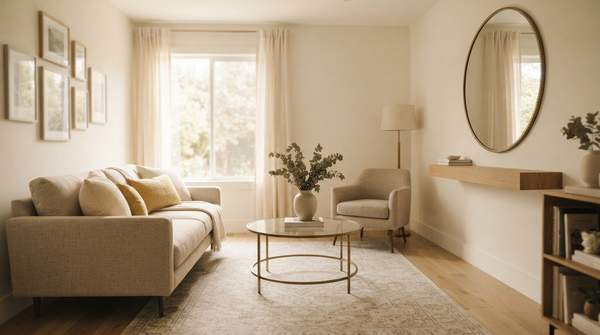
A living room showcasing the psychological impact of blue and red colors on mood and focus, with natural light enhancing the ambiance.

In a university residence hall, students consistently preferred blue interiors, finding this calming hue facilitated focused studying, while red was shown to increase a person’s heart rate per minute, demonstrating color's subtle but powerful physiological impact. The direct influence of color on the body suggests that the colors surrounding us do more than simply please the eye; they actively shape our internal states and cognitive functions. Insights into color psychology underscore the profound effect our chosen environments have on daily life, extending far beyond mere visual appeal into measurable biological responses that affect your daily well-being and productivity.

Many homeowners, however, select their interior colors based on fleeting aesthetic trends, often overlooking these deeper scientific revelations about their impact on mood and well-being. Scientific studies reveal that specific hues can significantly alter physiological states and cognitive performance, a crucial aspect often neglected in favor of popular design fads. This creates a tension between what looks good momentarily and what truly supports long-term well-being and productivity in your personal sanctuary, potentially sabotaging your comfort.

As awareness of color psychology grows in 2026, home design will likely shift from purely aesthetic choices to a more evidence-based approach, prioritizing functional well-being over superficial appeal. This evolution means you can intentionally craft spaces that enhance your mood, focus, and overall health, transforming your living areas into optimized environments. Embracing this scientific perspective empowers you to make more informed and beneficial design decisions, creating a home that nurtures your best self and supports your daily activities.

The Science Behind Your Shades

Beyond personal taste, specific hues directly influence your body's physiological responses, a phenomenon observed in various controlled settings. Blue has been shown to reduce a person’s blood pressure and heart rate per minute, while red has been shown to increase heart rate, according to Rockfon. A direct physiological impact of color beyond mere perception is demonstrated, highlighting how deeply our surroundings affect our internal systems and overall health, making color choice a health consideration.

A study conducted in a university residence hall further illustrated these preferences, revealing students consistently preferred blue interiors, followed by green, violet, orange, yellow, and red, according to PMC. The research indicated that blue interior color specifically facilitated studying activity, suggesting its utility in environments requiring concentration and mental clarity. The findings underscore how color choices extend beyond aesthetics, directly influencing your physiological state, preferences, and cognitive functions like focus and relaxation.
Understanding these measurable effects can transform how you approach decorating your home, shifting your focus from purely visual appeal to functional benefits. Instead of simply choosing a color because it is currently popular, you can select shades known to promote specific outcomes, whether it is a calming bedroom or a stimulating home office. This intentional design approach leverages scientific understanding to create spaces that actively support your desired daily experiences and enhance your overall quality of life.

The subtle interplay between light, color, and human biology means that every shade you introduce into your living space carries a potential impact on your well-being. By recognizing this scientific foundation, you gain the power to craft environments that are not only visually appealing but also functionally beneficial for your physical and mental health. Interior design shifts from an art to a strategic tool for personal enhancement, helping you achieve a balanced and productive home life.

Optimizing Environments with Color

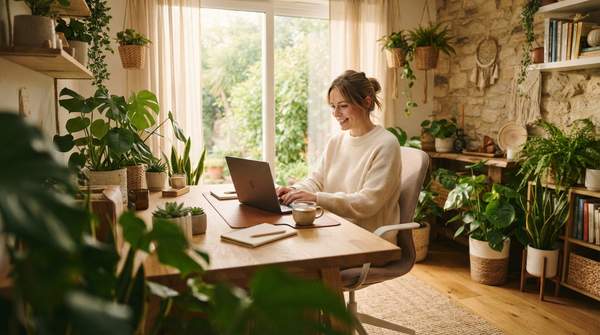
Beyond affecting personal preferences and physiological responses, certain colors can measurably boost cognitive performance in various settings. Green in the workplace, for instance, has been shown to increase creativity by up to 15% and improve productivity by 6%, according to Rockfon. These figures suggest that strategic color choices in your home office or creative space could directly translate into enhanced output and innovative thinking, transforming your work-from-home experience.

While the benefits of certain colors are clear, individual preferences can introduce complexities into color selection. The university residence hall study, which found students preferred blue interiors for studying, also showed a preference bias for the specific color of the building they lived in, according to PMC. This implies that while some colors may have inherent functional benefits, personal familiarity or existing environment can influence stated preferences, potentially leading to choices that are not optimally beneficial for your cognitive performance.

The tension highlights that while blue may be objectively better for focus, someone accustomed to a yellow study space might initially prefer it, even if it does not offer the same cognitive advantages. Understanding this bias allows you to move beyond ingrained habits and intentionally choose colors that truly serve your goals. You can create spaces that not only feel familiar but also scientifically support your activities, fostering better concentration and learning.

Companies and educational institutions ignoring color psychology are missing a low-cost, high-impact opportunity to boost employee creativity by up to 15% and student focus, according to findings on green and blue interiors. This principle applies equally to your home, offering a simple yet powerful way to enhance your family's daily life without significant investment. Consider how green in a creative corner or blue in a quiet reading nook could transform your daily routines and personal effectiveness.

Beyond Mood: Practical Applications of Color

The measurable physiological impacts of color, such as blue's ability to reduce heart rate, position interior design as a critical functional tool for health management, not merely a decorative art, according to Rockfon. The perspective encourages you to view your home's color palette as an active contributor to your overall well-being. Imagine a bedroom painted in a calming blue, actively supporting restful sleep and stress reduction every night.

The functional approach means that choosing colors is less about following fleeting trends and more about making informed decisions for your daily life and long-term health. For instance, creating a serene environment in your living room with cool tones could help mitigate the stresses of a busy day, offering a true sanctuary for relaxation. The deliberate selection of hues allows you to proactively manage your mood and energy levels within your own four walls, promoting psychological balance.

Consider how different areas of your home serve distinct purposes, each benefiting from a tailored color strategy. A kitchen might benefit from colors that encourage energy and focus for meal preparation, while a reading nook thrives with shades promoting relaxation and contemplation. By aligning color choices with the intended function of each space, you amplify its utility and enhance your experience within it. This thoughtful integration of color psychology provides a tangible boost to your home's functionality and your daily comfort.

The power of color in design goes beyond personal preference, offering tangible benefits for functionality and user experience in various settings. It transforms your home into a dynamic environment that responds to your needs, rather than a static backdrop. By understanding these practical applications, you gain another layer of control over your personal space, ensuring it supports your lifestyle in meaningful ways and contributes positively to every aspect of your life.

Designing for Well-being

Homeowners who prioritize fleeting aesthetic trends over scientific evidence are actively undermining their own well-being, potentially increasing stress and hindering cognitive function through their choice of wall colors. This oversight means many unintentionally create environments that work against their best interests, rather than supporting a harmonious and productive life. Consider the long-term impact of a perpetually stimulating red in a space meant for relaxation, which can lead to increased agitation.

The measurable physiological impacts of color, such as blue's ability to reduce heart rate, underscore the profound connection between our visual environment and our physical health. The connection makes intentional color selection a crucial component of holistic home design, moving beyond surface-level aesthetics to address deeper needs for calm, focus, or energy. You have the power to curate spaces that promote specific states as required, tailoring your home to your personal rhythm.

By understanding color's profound influence, you can transform your spaces into environments that actively support your mental and physical well-being, creating a sanctuary for yourself and your family. This involves a conscious shift from merely decorating to truly designing with purpose, ensuring every hue contributes positively to your daily experience. Creating a home that nurtures your spirit and mind becomes an achievable goal, fostering a sense of peace and productivity.

Embracing color psychology means you are not just painting walls; you are crafting an experience that profoundly affects your daily life. This deliberate approach allows you to mitigate stress and enhance your overall well-being. potential stressors and enhance positive emotions, making your home a true haven tailored to your needs. Imagine the difference a thoughtfully colored study can make for productivity, or a serene bedroom for restorative sleep, all designed to support your personal goals and enhance your quality of life.

Frequently Asked Questions

What colors affect mood the most in home design?

Colors like blue and green are known for their calming and productivity-boosting effects, with blue reducing heart rate and green increasing creativity by up to 15%. Conversely, red can elevate heart rate and energy levels, making it more stimulating. Yellow is often associated with happiness and optimism, while orange promotes enthusiasm, according to The Interior Design Institute. Understanding these associations helps you select hues that align with the desired atmosphere for each room, from vibrant social spaces to tranquil retreats.

What are the best colors for a calm home environment?

For a truly calm home environment, consider soft blues, which have been shown to reduce blood pressure and heart rate, promoting a sense of peace. Gentle greens also contribute to tranquility and a sense of renewal, making them excellent choices for bedrooms or relaxation zones. Incorporating neutral tones like warm grays, creams, and muted beiges can further enhance this serene atmosphere, providing a balanced backdrop that soothes the senses without overwhelming them and allowing for personal touches.

Your Home, Your Mood

The journey to a more harmonious and productive home begins with understanding the profound impact of color psychology. Moving beyond fleeting trends, you can actively shape your environment to support your well-being, whether through a calming blue bedroom or a creativity-boosting green study. This intentional approach transforms your living spaces into active partners in your daily life, rather than mere decorative backdrops, enhancing every moment you spend at home.

Conscious color choices are a powerful, accessible tool for shaping the emotional and functional landscape of your home, directly impacting your quality of life. By embracing scientific insights, you gain the ability to curate environments that resonate with your inner needs and aspirations. This empowerment allows you to design not just for beauty, but for a better way of living, creating spaces that truly uplift and support you.

As homeowners increasingly recognize these benefits, the landscape of interior design will continue to evolve, with a greater emphasis on evidence-based choices. By the end of 2026, many design firms and individuals will likely integrate color psychology as a foundational element, prioritizing functional well-being in every project. Your home is a canvas, and with informed color choices, you can paint a picture of lasting health and happiness, reflecting your personal style and supporting your daily life.