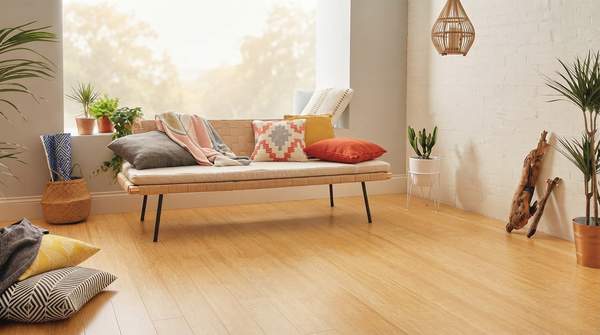
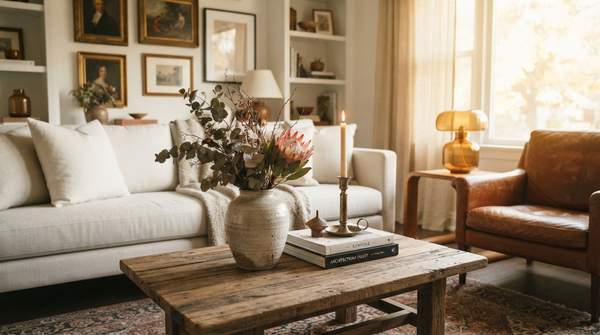
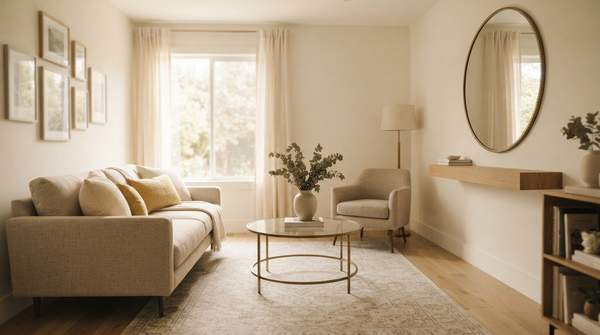
In Washington State, schools that embraced biophilic design principles saw student test scores rise by an estimated 5% and absenteeism drop by 15%, according to Architectural Digest. These academic gains reveal the profound impact natural elements have on young learners. Integrating nature into educational spaces directly fosters enhanced focus and reduced stress, cultivating more conducive conditions for student well-being.
Yet, biophilic design is often dismissed as a premium aesthetic, a luxury rather than a necessity. However, mounting evidence confirms it directly improves human performance and delivers substantial financial returns, firmly challenging this narrow view. This approach transcends simple decoration, embedding natural patterns and elements deep within our built environments.
Companies and institutions that fail to integrate natural elements into their spaces are likely sacrificing significant gains in human capital and operational efficiency. They risk falling behind competitors who wisely embrace these principles. Biophilic design is no longer a niche interest; it's a critical consideration for any forward-thinking organization aiming for sustained success.
What is Biophilic Design, and Why Does it Matter?
Biophilic design, at its core, seamlessly integrates natural elements and processes into our built environments, nurturing the innate connection between people and nature. This approach recognizes that natural settings are inherently more restorative than artificial ones. They gently capture our attention, aiding recovery from mental fatigue and sharpening cognitive capacities, according to a study published by PMC. The ultimate goal is to craft spaces that actively support human health and performance, honoring our deep-seated affinity for the natural world.
Beyond cognitive benefits, direct exposure to nature profoundly lowers psychological and psychophysiological stress. This vital connection fosters overall well-being, positively influencing key physiological markers such as blood pressure, heart rate, cortisol levels, and mood states. By thoughtfully mimicking natural patterns and incorporating living elements, biophilic design crafts environments that actively restore mental energy, diminish physiological stress, and ultimately enhance human function within our spaces.
Beyond Aesthetics: How Nature Shapes Our Behavior
Beyond its profound physiological benefits, biophilic design subtly reshapes human behavior and engagement within commercial spaces. A compelling study by Interface revealed that individuals lingered 11% longer in hotel lobbies featuring biophilic elements compared to those with a less nature-forward approach, as reported by Architectural Digest. This finding suggests these environments are not just pleasant to observe; they actively invite prolonged interaction and cultivate a more positive overall experience.
Such increased engagement carries significant implications for customer satisfaction and tangible business outcomes. Extended stays in commercial areas, like hotel lobbies, directly translate into increased opportunities for service consumption and stronger brand loyalty. These thoughtful design elements create an inviting atmosphere that encourages lingering, fostering a deeper, more meaningful connection with the space and its offerings.
The Business Case: From Luxury to Necessity
While biophilic design has often been perceived as an expensive luxury, an add-on reserved for high-end projects, this view fundamentally overlooks its strategic value as a shrewd business investment. Enhancing community well-being through biophilia directly impacts productivity costs and a company's bottom line, according to Terrapin Bright Green. This insight reframes biophilic elements from mere aesthetic choices into essential components of a healthy, efficient, and ultimately profitable built environment.
Companies should therefore view investments in biophilic principles not as an expense, but as a powerful strategic tool. These thoughtful investments profoundly enhance employee well-being, which, in turn, directly fuels improved financial performance. Crafting interior spaces that connect with nature can significantly reduce staff turnover, decrease absenteeism, and boost overall morale, cultivating a more robust, engaged, and productive workforce.
Quantifiable Returns: Saving Money While Boosting Morale
The financial benefits of biophilic design in professional environments are not just significant; they are precisely quantifiable. Integrating natural views into an office space can save over $2,000 per employee per year in office costs, as detailed by Terrapin Bright Green. This impressive figure represents tangible operational savings that directly bolster a company's profitability.
Conversely, companies neglecting to integrate nature views into office spaces are effectively leaving over $2,000 per employee per year on the table. They are, in essence, subsidizing a less productive and more stressed workforce. This presents a compelling, measurable financial incentive for businesses to swiftly adopt biophilic principles, transforming a perceived luxury into a strategic necessity for both well-being and the bottom line.
Common Questions About Biophilic Design
What are the key elements of biophilic design?
Key elements of biophilic design extend far beyond mere potted plants. They encompass direct connections to nature, such as abundant natural light, fresh ventilation, and captivating views of greenery. Equally vital are indirect connections: natural materials, earthy colors, organic shapes, and patterns that echo those found in the wild. Even soothing soundscapes and subtle scents can profoundly contribute to a truly biophilic environment.
What are examples of biophilic interior spaces?
Biophilic interior spaces manifest in diverse forms. Imagine offices adorned with living walls and bathed in abundant natural light, or hospitals thoughtfully incorporating tranquil indoor gardens and soothing water features. Residential homes often embrace natural wood finishes, robust stone, and expansive windows framing picturesque outdoor views. Even compact urban apartments can integrate biophilia through carefully curated plant collections, nature-inspired art, and the strategic use of inviting natural textures.
How can biophilic design be implemented in small spaces?
Indeed, even the smallest interior spaces can profoundly benefit from biophilic design. Effective strategies include maximizing natural light with delicate sheer curtains, strategically placing mirrors to reflect outdoor views, and thoughtfully incorporating vertical gardens or charming small terrariums. Opting for furniture crafted from natural materials and selecting calm, earthy color palettes can also beautifully evoke a sense of nature without demanding extensive square footage.
The Future is Green: A Holistic Approach to Design
If current trends and research continue, biophilic design will likely transition from a desirable enhancement to a fundamental expectation for any space aiming to foster human well-being and sustained productivity.