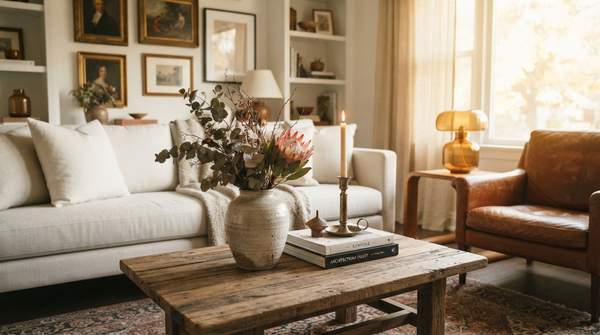
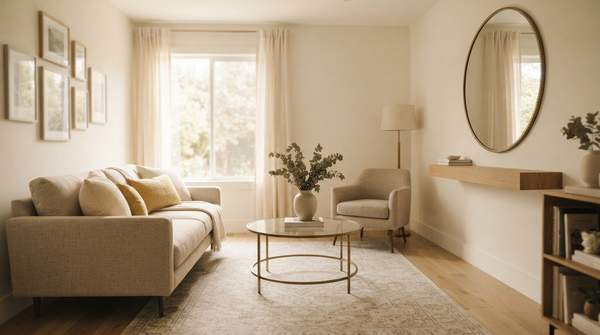
Neglecting a room's lighting is a widespread, often overlooked decorating mistake, yet layering just two to four additional light sources can dramatically transform a space. Imagine a room bathed in a single, harsh overhead light; it feels stark and uninviting, lacking the warmth you seek in your home. Thoughtful lighting creates depth and ambiance, making every corner feel purposeful.
Many homeowners believe good interior design demands a professional eye or significant investment, but impactful improvements often stem from correcting basic, easily fixable errors. The journey to a beautifully designed home doesn't always start with a complete overhaul or expensive purchases.
Based on designers' insights, homeowners who focus on these fundamental adjustments are likely to achieve more satisfying and aesthetically pleasing results than those who chase trends or undertake complex projects. Addressing common decorating mistakes and how to fix them can elevate your living spaces in 2026 without breaking your budget.
1. Neglecting Overall Room Lighting
A single overhead fixture leaves rooms feeling flat and unwelcoming. Layering light sources – think task lamps and accent lighting – creates a multi-dimensional, inviting atmosphere, especially after dusk, according to Havenly. Aim for two to four additional light sources in every space to achieve this warmth and depth.
2. Outdated Light Fixtures
Old-fashioned light fixtures, like basic flush mounts or styles from the 1990s, instantly date a room. Replacing them with contemporary designs offers an immediate refresh, updating your space's entire aesthetic. Consider sleek or sculptural options for high visual impact.
3. Incorrect Light Fixture Placement/Height
Chandeliers hung too high or pendants too low disrupt a room's balance and function. The Handmade Home advises at least a 30-inch clearance for pendants over countertops and chandeliers over tables. For high ceilings, use an extender to ensure fixtures hang appropriately, improving both visual balance and utility.
4. Awkwardly Arranged Furniture / Poor Pathways
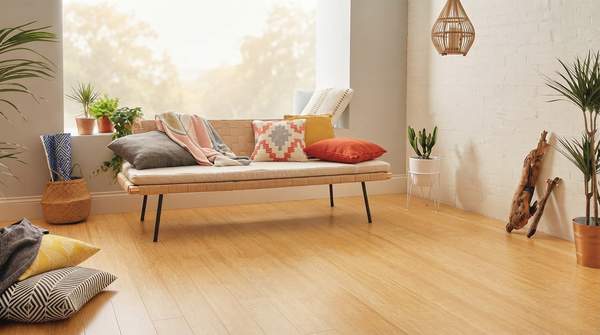
Furniture pushed against walls or blocking natural pathways hinders comfort and movement. Planner5D suggests roughly 30 inches of clearance along major pathways. Arrange pieces to foster conversation and define zones, ensuring furniture relates to other furniture, not just walls, according to HGTV. This thoughtful placement enhances usability and comfort, making a room feel more inviting.
5. Incorrect Rug Size
A rug that is too small makes a room feel disjointed and visually shrinks the space. Planner5D advises selecting a rug large enough for at least the front legs of main seating pieces to rest on it. When in doubt, a larger rug is always the safer choice to anchor your furniture and define the area, adding warmth.
6. Outdated/Worn Walls or Ceilings
Scuffed walls, outdated paint colors, or textured ceilings make a room feel tired. Updating wall colors or smoothing textured ceilings provides a fresh canvas, instantly modernizing the space. Consider adding planks or wallpaper for a major aesthetic upgrade and visual interest.
7. Incorrect Artwork Placement / Blank Walls
Artwork hung too high or too low, or completely blank walls, leaves a room feeling unfinished. Havenly suggests artwork typically hangs at eye level. Thoughtfully placed art and gallery walls add personality and visual interest, making a room feel curated and expressing your personal style.
8. Outdated Window Treatments / Incorrect Curtain Length
Plastic blinds or short, ill-fitting curtains detract from a room's elegance. Havenly recommends a four-to-six-inch gap between the bottom of curtains and the floor. Opt for floor-length panels hung high and wide; this creates an illusion of larger windows and higher ceilings, enhancing the room's overall height and light.
9. Cluttered Surfaces / Too Many Small Knick-Knacks
Overly cluttered surfaces or an abundance of small decorative items make a room feel chaotic and dated. Curate your accessories, displaying only a few meaningful pieces. This promotes visual calm and allows each item to stand out, creating serenity.
10. Lack of a Focal Point
Without a clear focal point, a room feels aimless and uninspired. Levelframes notes that a focal point can transform a standard room into a captivating space. Establish one prominent feature, like a fireplace or a large piece of art, to anchor the room and guide the eye, creating visual interest.
11. Overly Matching Furniture Sets
Purchasing entire furniture sets makes a room feel flat and impersonal. Mix and match pieces from different collections to create a more curated, unique look. This approach adds depth and character, reflecting your individual style and avoiding blandness.
12. Overcommitting to a Theme or Trend
Adhering too strictly to a single theme or fleeting trend leaves a room lacking personality and quickly feeling dated, according to Levelframes. Incorporate classic elements and personal touches that transcend trends, ensuring your space feels fresh for years to come and boasts lasting appeal.
Before & After: The Impact of Intentional Design
| Common Mistake | The Fix | Visual Impact |
|---|---|---|
| Rug too small for the living area | Select a rug where at least the front legs of major seating rest on it. | Room feels anchored, cohesive, and larger. |
| Artwork hung too high on a blank wall | Hang art at eye level, creating a gallery wall with varying sizes. | Walls become engaging, adding personality and balance. |
| Single, harsh overhead light source | Layer in two to four additional light sources (lamps, sconces). | Space gains warmth, depth, and inviting ambiance. |
| Furniture pushed against all walls | Float furniture away from walls, creating clear pathways (30-inch clearance). | Room feels more open, functional, and conducive to conversation. |
This table reveals the profound transformation achievable with simple adjustments. These before-and-after scenarios highlight how small changes dramatically enhance a room's functionality and aesthetic appeal, making a space feel cohesive and inviting.
By addressing these foundational design elements, homeowners will likely find their spaces feel more cohesive, inviting, and truly reflective of their personal style.