You don't need to wire your whole house overnight. The biggest wins in smart home conservation usually come from a handful of device categories: a smart thermostat that trims heating and cooling costs, smart lighting that cuts wasted electricity, and smart irrigation or leak detection that protects your water bill. ENERGY STAR estimates its certified smart thermostat can save the average home about 8% on heating and cooling bills alone, and a smart irrigation controller can save nearly 8,800 gallons of water per year for a typical household. This guide compares the main device categories on both fronts—energy and water—so you can decide where your first (or next) investment belongs.
Smart Home Devices for Climate Control
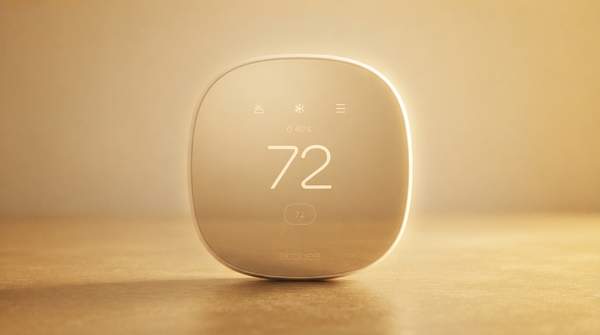
If you're looking for the single largest energy lever in your home, heating and cooling is it. ENERGY STAR notes that heating and cooling consume more energy than any other appliance in the home, which makes the smart thermostat what it calls "the best candidate to help save energy within the household."
The savings come from how the device operates: it monitors and adjusts your home's temperature even when you're away, according to ENERGY STAR's guidance. The Center for Energy and Environment adds that an ENERGY STAR certified smart thermostat can save the average home roughly 8% on heating and cooling bills. That figure isn't a ceiling or a promise—savings may run higher depending on your home's weatherization, your set temperature, and your location, the Center notes. On the other hand, large temperature setbacks can actually reduce efficiency with certain heating systems, such as air source heat pumps.
The practical takeaway: if your utility bills spike in winter or summer, climate control is the category most likely to move the needle first.
Smart Solutions for Lighting Efficiency
Smart lighting is the easiest entry point into an energy-efficient home, and it saves on two fronts. First, smart bulbs and switches let you schedule operation, control lights remotely, and optimize brightness so lights run only when needed—a mechanism the Center for Energy and Environment describes as managing energy through "schedules, automations, and habit adjustments."
Second, smart bulbs typically use LED technology, which carries efficiency benefits of its own. Yeelight, a smart bulb vendor, says that even in standby mode its smart LED bulbs remain cost-effective, and that choosing smart bulbs over traditional bulbs saves money on electricity bills while contributing to environmental sustainability. One honest caveat from the vendor's own explanation: savings come from optimized usage and reduced unnecessary consumption, not necessarily from a lower power draw when the light is actively on. In other words, a smart bulb left on at full brightness doesn't magically sip less power—the savings come from it being off, dimmed, or scheduled when you don't need it.
Water Management with Smart Technology
This is where most smart home guides stop—and where this one keeps going, because water may be your home's quietest source of waste. The EPA reports that of the estimated 29 billion gallons of water U.S. households use daily, nearly 9 billion gallons—about 30%—goes to outdoor use. In hot summer months or dry climates, outdoor use can climb as high as 70% of a household's total.
That makes the smart irrigation controller one of the highest-impact devices you can install. The EPA's WaterSense guidance and industry reporting both point to substantial savings: a smart irrigation controller can save the average homeowner nearly 8,800 gallons of water annually, roughly 30–50% of outdoor water use. The mechanism is simple and clever: instead of watering on a dumb timer regardless of weather, the controller applies water based on actual conditions and landscape needs, preventing overwatering while keeping plants healthy. As the EPA puts it, "timing is everything—knowing when and how much to water allows you to keep a healthy landscape."
Indoors, smart leak detectors cover the other half of water management. The U.S. Department of Energy's home water efficiency guidance notes that fixing leaky faucets and plumbing joints can save up to 20 gallons per day for each leak—enough to run a load of laundry and a dishwasher cycle daily. A leak detector that catches a failing water heater fitting or a slow pipe drip early prevents both the water loss and the expensive damage that follows. There's an indirect energy benefit, too: water you don't lose is water you don't pay to heat. The primary benefit remains water conservation and damage prevention, though, so treat any energy savings here as a bonus rather than the selling point.
Optimizing Power with Smart Plugs
Smart plugs and outlets tackle the electricity that leaks out of your home unnoticed. The Center for Energy and Environment lists lighting among the many smaller energy consumers in a home, alongside refrigeration, appliances, and water heating (which accounts for about 15% of energy consumption on its own). Smart plugs let you schedule and remotely cut power to individual devices, addressing so-called phantom loads—the standby draw of electronics that never fully shut off.
Smart-home writer Rico at OldHomeSmarts recommends a related tactic for older homes: whole-home energy monitors like the Emporia Vue 3, which clamp sensors onto circuits in your breaker panel (an electrician is recommended for older or crowded panels). Put sensors on the big circuits, he suggests—"the water heater, well pump and HVAC"—and "you will see which one is driving the bill." The extent of savings from plugs and monitors alike depends on what's connected and how diligently you use the scheduling and remote controls, so treat this category as a diagnostic and management layer more than a guaranteed percentage.
Smart Home Conservation Comparison
Use this table to compare the main device categories at a glance: what each one saves, how it works, and the best available numbers. It's organized so you can match the resource you care most about—energy or water—to the device category that addresses it.
| Device Category | Primary Savings | How It Saves | Example Savings Data |
|---|---|---|---|
| Smart Thermostats | Energy (heating and cooling) | Schedules, automations, and occupancy-based temperature control; adjusts your home's temperature even when you're away | About 8% off heating and cooling bills for an average ENERGY STAR certified unit; may be higher depending on weatherization, set temperature, and location |
| Smart Lighting (Bulbs/Switches) | Energy | Daily schedules, remote operation, and brightness optimization reduce unnecessary consumption | Vendor-reported savings on electricity bills; even in standby mode, smart LED bulbs remain cost-effective |
| Smart Irrigation Controllers | Water (outdoor) | Applies water based on conditions and landscape needs instead of a fixed timer, preventing overwatering | Nearly 8,800 gallons saved per year for the average homeowner—roughly 30–50% of outdoor water use |
| Smart Leak Detectors | Water (and indirect energy) | Identifies leaks early, preventing water loss and costly damage | Fixing a single leaky faucet or joint can save up to 20 gallons per day, per the Department of Energy |
| Smart Plugs / Outlets / Energy Monitors | Energy | Scheduling and remote shutoff cut phantom loads; circuit-level monitors reveal which devices drive the bill | Savings depend on connected devices and usage habits; monitors show per-circuit costs (e.g., water heater, HVAC) |
Note what the table shows: two categories—thermostats and irrigation controllers—have solid, quantified averages behind them, while lighting, plugs, and leak detectors save through behavior and hardware choices whose totals depend heavily on your home and habits.
Prioritizing Your Smart Home Investments
The comparison only helps once you've matched it to your house. Start with your biggest consumption area, because that's where a smart device has the most room to save.
- Check your heating and cooling bills. ENERGY STAR identifies heating and cooling as the top energy consumer in the home, so if your winter or summer bills are your largest, start with a smart thermostat.
- Assess your outdoor water use. If you irrigate a lawn or garden—especially in a hot or dry climate where the EPA says outdoor use can reach 70% of household water—a smart irrigation controller's 30–50% outdoor savings figure is your biggest opportunity. What you save will vary with your existing system, climate, and landscape.
- Hunt the phantom loads. If your bills are high but no single cause stands out, add smart plugs to schedule off your electronics, or (in older homes especially) an electrician-installed circuit monitor to see exactly where the electricity goes.
- Layer in the safety net. A leak detector doesn't reduce routine use, but it stops the 20-gallons-a-day surprise leak before it becomes a repair bill.
Two boundaries worth keeping in mind: every figure here is an average, so your results will vary with home size, climate, existing equipment, and personal habits. And the schedules only save money if you actually use them—setbacks that are too aggressive can backfire on systems like air source heat pumps.
Making Your Smart Home Investment Count
The decision framework is simple: prioritize smart home device installations by first assessing your home's largest areas of energy and water consumption. A household with heavy summer irrigation has a different first purchase than one battling high winter heating bills, even though the underlying technology categories are the same.
You don't need to guess whether it's working, either. Your measurable indicator is reduced utility bills for heating/cooling, electricity, or water, and fewer instances of water waste or undetected leaks. Pull your bills from before the install, give the device a season or a full billing cycle, and compare. If the thermostat hasn't moved your heating costs and the irrigation controller hasn't moved your water usage, the data will tell you—and it will point to which category to try next.
Sources
- Smart Home Tips for Saving Energy — ENERGY STAR
- Smart Home Efficiency — Center for Energy and Environment
- do smart bulbs use more electricity — YEELIGHT
- Start Saving — US EPA
- Best Smart Home Devices for Saving Water — OldHomeSmarts - Smart home upgrades that actually work in old houses
- ENERGY