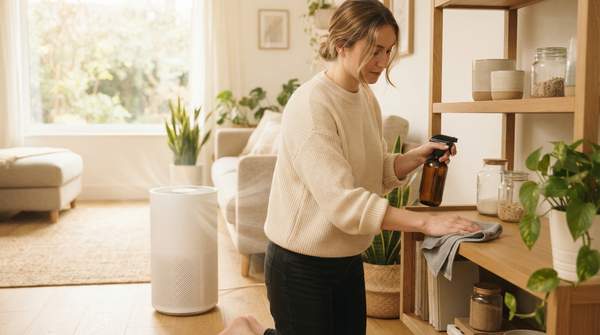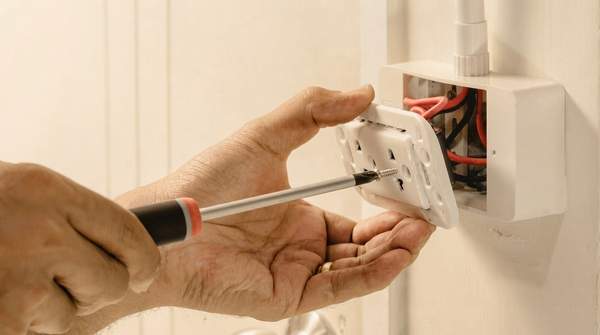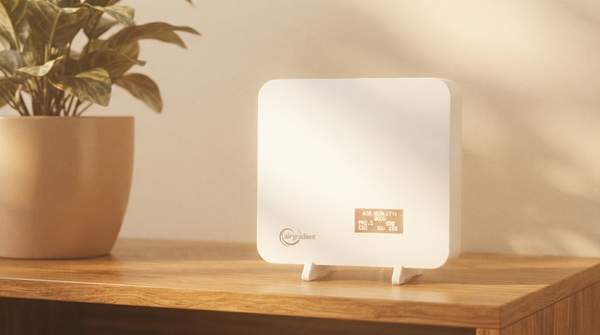
The most effective way to improve your indoor air is to identify the activities and materials that pollute it, then remove or reduce those sources before reaching for a purifier. That is the core advice from both the U.S. Environmental Protection Agency and Health Canada. Source control comes first, ventilation second, and filtration third. This guide walks you through each strategy and ends with a framework that matches common household sources to the right fix.
Understanding Indoor Air Pollution: Sources and Health Risks
Poor indoor air quality can affect your health, Health Canada cautions. Common indoor pollutants come from familiar places: combustion appliances, smoking, and even the ground under your house. Radon, a naturally occurring radioactive gas produced by the breakdown of uranium in soil and rock, seeps up through cracks and can accumulate to harmful levels in enclosed spaces. It cannot be seen, tasted, or smelled, and it is the second leading cause of lung cancer in the United States. Carbon monoxide is another risk: it is a potentially deadly gas from unvented combustion appliances, which is why Health Canada urges installing carbon monoxide detectors. Secondhand smoke carries its own elevated cancer risk for anyone exposed.
The Three Pillars of Indoor Air Quality Improvement
The EPA identifies three basic strategies: source control, improved ventilation, and air cleaners or filtration. The order matters. Eliminating the source of pollution is usually the most effective step, and it is often the most cost-efficient too, because increasing ventilation can raise energy costs. Ventilation dilutes and removes pollutants that cannot be eliminated at the source. Filtration handles what remains, especially particles. Health Canada frames the same hierarchy as identifying polluting activities first, then removing or reducing the sources. The right strategy depends on the pollutant: gases and particles behave very differently, and most air cleaners only address one of them.