How to Plan and Execute Home Decluttering for Lasting Organization

Imagine systematically eliminating over 6,800 items in just three years.

LQ
Layla Quinn

April 23, 2026 · 4 min read

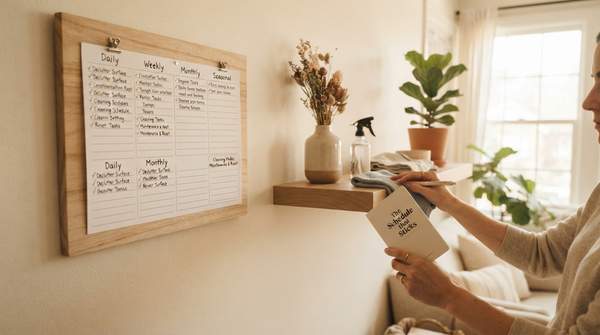
A beautifully organized and decluttered living room, showcasing the peaceful and tidy results of effective home organization strategies.

Imagine systematically eliminating over 6,800 items in just three years. This remarkable feat wasn't achieved through overwhelming purges, but by consistently focusing on small, daily decluttering efforts. It powerfully illustrates the cumulative impact of micro-actions, transforming seemingly impossible tasks into achievable goals. The sheer volume of items one can remove through these small, consistent actions directly translates into significant mental health improvements, revealing that the path to reduced stress and anxiety is a series of micro-victories, not a grand overhaul.

Yet, many of us view decluttering as a massive, daunting undertaking, leading to inertia and stress when contemplating a large-scale home project. This common perception often prevents us from even starting, perpetuating a cycle of accumulated possessions and the overwhelming feeling of being buried under them. The good news? This psychological barrier of 'overwhelming clutter' is effectively dismantled by reframing the task from a monumental purge to a simple, daily habit.

Therefore, embracing a structured, long-term decluttering strategy, like the 'Declutter 2026' challenge, which was a goal for a past year, emerges as the most effective path to a sustainably organized and less stressful home. It's clear that consistent small steps truly pave the way for significant, lasting results.

A cleaner, more organized home actively reduces stress, anxiety, and depression, according to AARP. This crucial insight is reinforced by El Camino Health, which further notes that clutter directly hinders your happiness and overall health. Together, these findings highlight a powerful truth: addressing clutter isn't merely about tidiness; it's a fundamental step towards safeguarding your mental and physical well-being.

Broken, obsolete, or unneeded items often accumulate subtly, going unnoticed until their sheer volume feels overwhelming. This quiet buildup can subtly erode your peace of mind, making the thought of tackling your possessions feel utterly impossible. However, this insidious accumulation can be systematically dismantled with a consistent, manageable daily target. Understanding the profound mental health benefits of a tidy space provides powerful motivation to not only begin but also sustain your decluttering journey, paving a clear path to reduced stress and a more functional living space.


Embracing a Manageable, Long-Term Decluttering Strategy

The 'Declutter 2026 in 2026 Challenge' offers a highly effective blueprint for home organization: eliminate 2,026 items over the year. As detailed by Laura Noelle, this challenge brilliantly breaks down a large goal into manageable daily actions. By simply decluttering an average of six items per day, you can complete the entire 2026 challenge, even with 27 days off. This consistent, manageable daily target ensures the task never becomes overwhelming, transforming the seemingly impossible goal of eliminating thousands of items into an achievable, stress-free reality.

This consistent method empowers you to make significant progress without overwhelming your schedule or energy. Consider Laura Noelle's inspiring journey: she successfully decluttered 2,818 items in 2023, 2,024 items in 2024, and 2,025 items in 2025. Her cumulative effort led to eliminating over 6,800 items between 2023 and 2025. This compelling track record confirms that breaking down large decluttering goals into consistent, small daily actions makes the process not only achievable but truly sustainable for lasting results, fostering a more functional and serene home.

Avoiding Common Decluttering Pitfalls

Many individuals and companies still champion massive, one-off decluttering events, implying that only significant purges yield results. However, this 'all-or-nothing' approach often leads to failure, burnout, and overlooks the profound mental health benefits that consistent, manageable daily habits cultivate. Laura Noelle's extensive success with thousands of items powerfully refutes the idea that only large, infrequent efforts are effective. The true obstacle to an organized home isn't the sheer volume of clutter, but rather our ingrained mental model of how to confront it. By reframing the task from a monumental purge to a simple daily habit of just six items, we transform an intimidating challenge into an achievable, stress-free routine, preventing clutter from ever reaching crisis levels.

Strategic Disposal and Organization for Lasting Order

Fortunately, numerous national groups simplify the process of rehoming items close to home. Resources like The Buy Nothing Project, Craigslist, Facebook Marketplace, Freecycle, and NextDoor Free Finds, as detailed by AARP, allow you to pass on possessions without extensive logistical planning. This makes the disposal of an average of six items per day remarkably easy. The common perception that item disposal is a major barrier to decluttering is largely overcome by this manageable daily volume, which seamlessly leverages readily available local, free resources.

For larger decluttering needs, consider options like holding an estate sale, engaging a reputable auction house, or utilizing national donation spots such as The Arc, Goodwill, Habitat ReStores, The Salvation Army, and Vietnam Veterans of America. Remember that specific items, including ammunition, appliances, baby items, backpacks, and batteries, often have dedicated disposal or donation methods. Many companies will even remove old appliances free of charge when new ones are purchased. When it comes to sentimental items, Laura Noelle wisely suggests a practical limit: a maximum of two boxes—one keepsake bin and one hospitality bin. True long-term organization isn't just about deciding what to remove; it's equally about mastering how to efficiently and responsibly dispose of items, including setting thoughtful limits for sentimental possessions, ensuring everything finds a new purpose or is properly discarded.

The widespread belief that effective decluttering demands massive, daunting purges is, in fact, a self-defeating myth. True long-term organization and profound mental well-being are built on the surprisingly simple, consistent habit of discarding just a few items daily. This isn't a weekend 'hack'; it's a daily commitment, no more demanding than brushing your teeth. As Laura Noelle's consistent efforts beautifully illustrate, this approach offers profound and sustainable mental health benefits. By embracing the power of small, daily actions, you can confidently achieve a significantly more organized and less stressful home environment by the end of 2026.