In Sacramento, replacing vinyl siding on a modest 1,250 sq. ft. home is projected to cost around $18,000 in 2026, a substantial financial outlay for many homeowners. This figure, according to Visionsiding, confirms that even materials often considered economical demand significant capital investment for long-term property maintenance.
Many homeowners, however, prioritize immediate aesthetic appeal or perceived low upfront costs for their siding, overlooking the substantial ongoing maintenance and eventual replacement expenses.
Homeowners who do not thoroughly research the lifecycle costs of siding materials are likely to face significant unexpected financial burdens and diminished property value over time, making informed selection a critical step.
The True Cost of Siding: Upfront vs. Long-Term
While vinyl siding replacement for a 1,250 sq. ft. home in Sacramento averages around $18,000 in 2026, a fiber-cement siding replacement for the same size home averages roughly $22,000, as documented by visionsiding.com. These figures confirm that initial installation or replacement costs vary significantly between common home siding options.
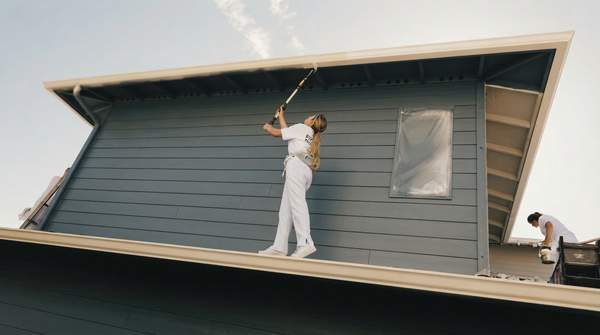
Homeowners must also consider continuous upkeep. Proactive wood siding maintenance, which includes sanding, painting, staining, and caulking, is typically recommended every three to four years, according to Nichiha. This relentless cycle is not a substitute for durability but a temporary deferral of inevitable replacement, trapping homeowners in a continuous financial drain. This proves some aesthetic choices are not just expensive, but demand a continuous, unbudgeted commitment of time and money, effectively making them a recurring subscription service for your home's exterior.
Vulnerability and Value: How Siding Choices Impact Durability
Wood siding absorbs moisture, leading to issues like sagging, buckling, and swelling in high heat, which can disfigure the material and create unwanted gaps, notes nichiha.com. Furthermore, sun exposure can cause wood siding paint to flake off and fade unevenly due to non-uniform sunlight, compromising the home's curb appeal. These environmental vulnerabilities directly impact a material's longevity and its ability to maintain a home's aesthetic and market value.