Imagine a narrow cabinet in your entryway not only holding sunscreen but also transforming into a portable art station for your kids. This small piece of furniture turns a forgotten corner into a dynamic activity zone, proving living spaces can expand beyond traditional rooms, even in the tightest spots.
Narrow entryways are often seen as unavoidable clutter zones. Yet, strategic, space-saving solutions can make them highly functional and organized. This common challenge often leads to daily frustration and a less welcoming home.
Embracing multi-functional and accessible organization tools will significantly enhance daily routines and home aesthetics. Companies designing home organization products should shift focus from mere storage to 'activity enablement.' Solutions like a transforming narrow cabinet demonstrate consumers seek functionality that expands living, not just contains mess.
Smart Solutions for Every Inch
Transforming your entryway requires smart choices. These practical solutions address common clutter, helping you maximize every inch.
1. Scout Regalia SR Wall Rack
Best for: Minimalist homeowners needing slim storage.
The Scout Regalia SR Wall Rack measures 17.5 inches wide and just 2.5 inches deep. It holds up to 50 pounds when properly installed on drywall, according to The New York Times, making it ideal for the slimmest entryways.
Strengths: Extremely slim profile, high weight capacity. | Limitations: Requires wall installation. | Price: Not specified.
2. Umbra Estique Organizer
Best for: Hanging multiple small items efficiently.
The Umbra Estique Organizer is 12 inches wide and about 3.5 inches deep. Each hook can hold up to 5 pounds, as reported by The New York Times. It offers versatile hanging storage for coats, bags, or scarves.
Strengths: Slim design, multiple hooks for various items. | Limitations: Individual hook capacity limit. | Price: Not specified.
3. Most Modest Walter Shelf
Best for: Adding a small surface without obstructing pathways.
The Most Modest Walter shelf protrudes only 5 inches from the wall. This minimal projection makes it an excellent choice for very tight spaces, providing a spot for keys or small decor without intruding into the walking area.
Strengths: Minimal projection, ideal for very tight spaces. | Limitations: Limited surface area. | Price: Not specified.
4. Hooks
Best for: Quick and easy hanging of daily essentials.
Hooks simplify hanging items compared to traditional hangers. Their one-handed use makes daily routines smoother, especially when wall-mounted.
Strengths: Easy access, quick storage. | Limitations: Items may not hang as neatly as on hangers. | Price: Varies.
5. Corner Benches
Best for: Maximizing unused corner space with seating.
Corner benches optimize small entryways by fitting into unused corner areas, according to Loomlan. They also provide a convenient spot for putting on or taking off shoes.
Strengths: Utilizes often-wasted space, provides seating. | Limitations: Fixed corner placement. | Price: Varies.
6. Narrow Cabinet
Best for: Multi-functional storage and activity enablement.
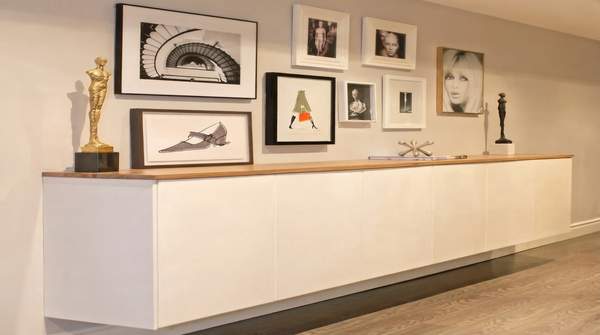
A narrow cabinet stores items like sunscreen and bug spray. It can also serve as a portable art station, according to Just a Girl and Her Blog, demonstrating true multi-functionality in a confined entryway.
Strengths: Multi-functional, versatile storage, enables different activities. | Limitations: Requires floor space. | Price: Varies.
7. Storage Benches
Best for: Combining seating with concealed storage.
Storage benches combine seating with hidden compartments, often featuring lift-top designs. Standard entryway bench depths are 14-16 inches, as noted by Loomlan, offering dual purpose for small entryways.
Strengths: Dual purpose, conceals clutter, provides seating. | Limitations: Can be deeper than other solutions. | Price: Varies.
8. Entryway Benches
Best for: Providing basic seating and open storage.
Entryway benches provide seating for putting on shoes and open storage for daily essentials. While less specific than storage benches, they still offer valuable functionality in a compact form.
Strengths: Practical seating, basic storage. | Limitations: May not have hidden storage. | Price: Varies.
9. Bins in Drawers or Hanging Organizers
Best for: Organizing small accessories like hats and scarves.
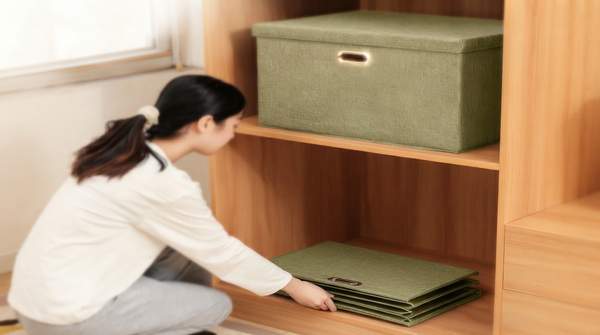
Bins in drawers or hanging organizers make hats, gloves, and scarves easy to access and put away, according to Just a Girl and Her Blog. Hanging organizers are particularly space-efficient for narrow areas, keeping small items contained.
Strengths: Categorizes small items, keeps them tidy and accessible. | Limitations: Requires existing drawer or hanging space. | Price: Varies.
10. Un-lidded Baskets
Best for: Quick and visible shoe storage.
Un-lidded baskets corral shoes for each person, preventing mess, notes Just a Girl and Her Blog. This simple solution prioritizes visible, low-friction storage, contributing to a more organized entryway.
Strengths: Easy access, quick clean-up for shoes. | Limitations: Clutter is visible, not suitable for all items. | Price: Varies.
11. Command Center with an In/Out Box System
Best for: Managing paperwork and daily administrative tasks.
A command center with an in/out box system provides a designated spot for paperwork, including kids' school papers and mail, as suggested by Just a Girl and Her Blog. This system prevents clutter from accumulating, enhancing the sense of space in narrow entryways.
Strengths: Organizes administrative tasks, reduces paper clutter, creates an efficiency accelerator. | Limitations: Requires dedicated wall or surface space. | Price: Varies.