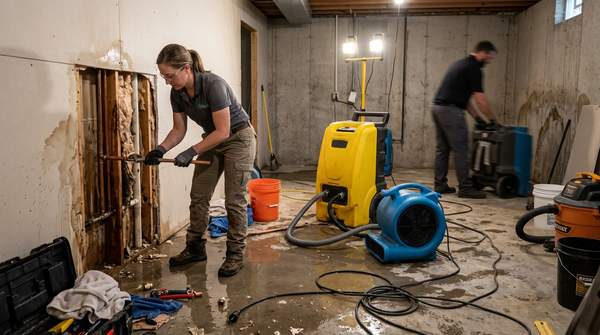
In the last six months, the average wait time for a non-emergency plumbing repair in Riverview has ballooned from two days to over two weeks, leaving many residents in a state of costly limbo. The cost for a standard toilet repair has increased by 20% in the last six months, now averaging $350, according to Riverview Plumbing Co. A, representing a substantial financial burden for households.
Riverview is experiencing significant population growth and new development, but its aging municipal and residential plumbing infrastructure is struggling to keep pace. This tension puts immense pressure on a system designed for a smaller population and older demands.
Based on current trends and expert projections, Riverview residents can expect continued challenges with plumbing availability and affordability, potentially necessitating city-wide infrastructure investments and a boost in skilled trades training.
The Strain on Riverview's Pipes
- Local plumbing companies in Riverview report a 40% increase in service calls over the past six months compared to the previous year, according to the Riverview Plumbers Association.
- A severe cold snap in January led to 150 reported burst pipe incidents across Riverview within a single week, according to Riverview Emergency Services.
- Online community forums show a significant increase in residents seeking DIY plumbing advice or recommendations for out-of-town plumbers, according to Riverview Online Forum Analysis.
The surge in calls pushes local plumbing capacity to its breaking point, forcing residents into risky, costly self-repairs due to two-week professional wait times. This poses a public safety risk alongside the financial burden.
A Perfect Storm: Old Infrastructure Meets New Growth
Riverview's municipal water main system averages 55 years old, exceeding its 50-year lifespan, according to the City Public Works Department Report, 2022. Simultaneously, three major residential developments, adding over 500 new homes, broke ground last year, straining existing utility lines, according to the Riverview Planning Department. A recent study found 60% of Riverview homes built before 1980 still use original galvanized steel pipes, prone to corrosion, according to Riverview Home Inspection Data. Riverview's aggressive development strategy, evidenced by a 20% annual increase in new housing permits, directly undermines the quality of life for existing residents by overwhelming an already failing infrastructure. This creates a self-inflicted crisis, prioritizing expansion over foundational maintenance.