Future home service vetting: Don't trust stars, verify credentials.

In 2023, consumer complaints regarding shoddy home service work or outright scams surged by 25% compared to the previous year, even as homeowners spent more time than ever searching for help online.

OH
Olivia Hart

April 24, 2026 · 4 min read

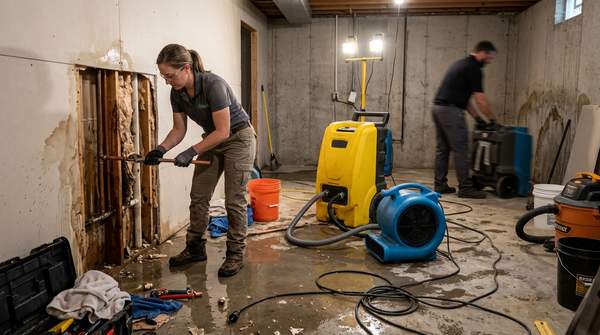
A homeowner overwhelmed by home repair issues, highlighting the unreliability of star ratings and the need for credential verification.

In 2023, consumer complaints regarding shoddy home service work or outright scams surged by 25% compared to the previous year, even as homeowners spent more time than ever searching for help online. This rise in dissatisfaction translates into significant financial losses and structural issues for property owners. The increasing reliance on digital platforms for finding contractors has not provided the expected safeguard against poor workmanship or fraudulent practices.

Home renovation spending is projected to rise significantly, but the availability of qualified, trustworthy service providers is shrinking, leading to a surge in consumer complaints. This creates a challenging environment for homeowners seeking to improve their properties. The paradox of increased investment meeting decreased quality creates substantial risk.

Homeowners are increasingly vulnerable to poor quality work and scams, necessitating a more proactive and skeptical approach to selecting home service professionals in the coming years. The current market conditions demand a critical re-evaluation of how trust is established and maintained in the home services sector.

The Growing Crisis in Home Services

Home renovation spending is projected to increase by 5.5% in 2026, reaching $485 billion, driven by an aging housing stock, according to the Harvard Joint Center for Housing Studies. This substantial investment by homeowners highlights a disturbing paradox: service quality is in decline. Consumer complaints regarding shoddy home service work or outright scams increased by 25% in 2023 compared to the previous year, as reported by the Better Business Bureau (BBB).

State licensing boards have also observed a 15% increase in disciplinary actions against home service contractors in the last two years, according to the National Association of State Contractors Licensing Boards. The simultaneous rise in home improvement spending, consumer complaints, and disciplinary actions confirms a worsening crisis in finding reliable home service providers. Digital platforms offer convenience, but expose homeowners to unprecedented financial and structural risks. This trade-off is one most homeowners are ill-equipped to manage.

The Illusion of Easy Access

Finding qualified contractors for major projects became more difficult for 35% of homeowners in 2023, an increase from 20% in 2020, an increase from 20% in 2020, according to an Angi Report. This growing challenge occurs while online platforms like Thumbtack and HomeAdvisor now account for. over 40% of initial contractor searches, a significant rise from 15% five years ago, as reported by Statista. Despite this shift to digital discovery, only 15% of homeowners consistently verify licenses and insurance for all contractors, even for large projects, according to Consumer Reports.

The ease of online discovery has not translated into better vetting practices, leaving a significant portion of homeowners vulnerable to unqualified service providers. Companies that continue to rely solely on user-generated reviews and basic background checks for their home service platforms are actively enabling a 'race to the bottom' in quality, ultimately eroding consumer trust in the entire digital service economy.

Beyond the Star Rating

Despite the rise of online reviews, 60% of homeowners still prioritize personal recommendations from friends or family when selecting a service provider, according to the Pew Research Center. This traditional approach to trust-building remains a primary factor. Some online platforms are implementing AI-driven background checks and reputation scoring, but their effectiveness is still debated by consumer advocates, according to the Consumer Federation of America.

Local community forums and social media groups are increasingly used by homeowners to share recommendations and warnings about local service providers, as highlighted by Nextdoor Insights. A blend of traditional trust networks and emerging digital tools offers some safeguards, but no single method provides a foolproof solution against a challenging market. The 25% surge in consumer complaints, despite homeowners spending more time searching online, proves these digital safeguards are insufficient. They create a false sense of security for homeowners, especially when relying solely on star ratings.

The Root Causes of the Crisis

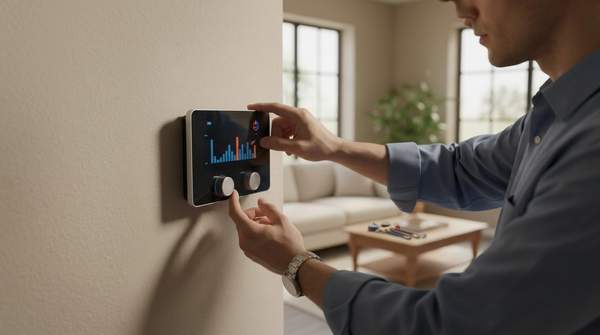
The average wait time for a skilled tradesperson, such as a plumber or electrician, has increased by 30% in the last two years in metropolitan areas, according to the National Association of Home Builders. This delay impacts project timelines and costs. New smart home technologies require specialized installation and maintenance, creating a demand for new types of service providers that traditional vetting methods do not easily cover, as noted by TechCrunch.

The skilled labor shortage in construction and home services is expected to worsen, with an estimated 2 million unfilled positions by 2027, according to the Associated General Contractors of America. These systemic pressures are creating an environment where homeowners face higher prices and longer waits for increasingly specialized services, often from a shrinking pool of qualified professionals. The projected rise in home renovation spending, coupled with a shrinking pool of qualified labor, means that without radical changes to how service quality is assured, homeowners will increasingly pay premium prices for substandard or dangerous work.

Protecting Your Home and Wallet

The cost of home services has risen by an average of 12% annually over the past three years, outpacing general inflation, according to the Bureau of Labor Statistics. This financial burden is compounded by the risk of poor work. Homeowners who thoroughly check references and verify credentials report 40% higher satisfaction rates with their projects, according to a J.D. Power Home Services Study. The average cost of fixing poorly executed home repair work is estimated to be 1.5 times the original project cost, as reported by the Consumer Federation of America.

The financial and emotional costs of inadequate vetting are substantial, making a rigorous, multi-pronged approach to selecting home service providers not just advisable, but essential for homeowner protection. By Q4 2026, homeowners who fail to implement comprehensive vetting strategies may find themselves facing increased repair costs, potentially exceeding their initial project budgets by significant margins.