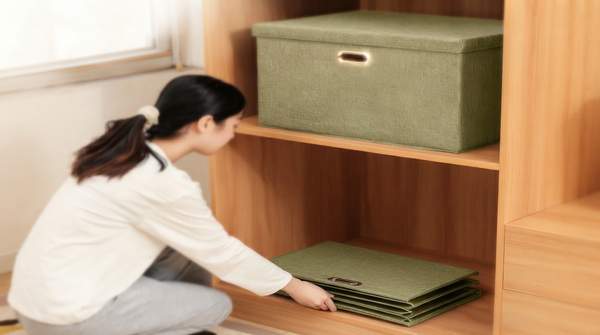
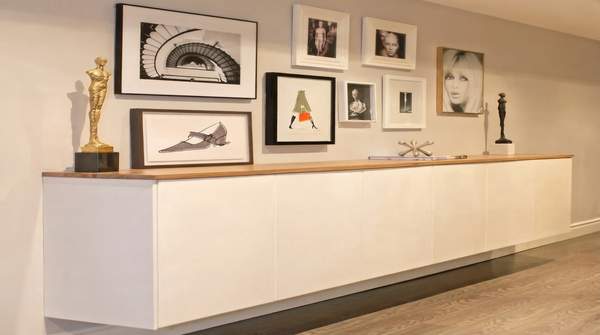
7 Multi-Functional Furniture & Storage Hacks for Tiny Homes

In a space smaller than a typical garage, a single ottoman can hide blankets, a sofa can transform into a guest bed, and stairs conceal an entire wardrobe.

LQ
Layla Quinn

April 24, 2026 · 6 min read

A modern tiny home living room featuring a sofa bed, storage ottoman, and integrated shelving, demonstrating efficient use of space.

In a space smaller than a typical garage, a single ottoman can hide blankets, a sofa can transform into a guest bed, and stairs conceal an entire wardrobe. This approach helps you live larger, reclaiming every inch.

The appeal of tiny homes lies in their promise of simplicity and reduced footprint, but achieving genuine livability within such small dimensions demands complex, highly optimized design solutions.

As urban density increases and environmental concerns grow, the principles of multi-functional tiny home design will increasingly influence mainstream residential architecture and consumer expectations.

Maximizing every square inch with the best multi-functional furniture and clever storage hacks is key to comfortable tiny home living in 2026. Underused areas like awkward alcoves and floor space beneath furniture can be utilized for storage, according to Good Housekeeping. This means every overlooked corner becomes a functional asset.

7 Clever Hacks for Every Nook and Cranny

1. Built-in Under-Stair Drawers/Cabinets

Best for: Homeowners seeking custom, integrated storage solutions in multi-level tiny homes.

These custom installations transform the typically underused space beneath stairs, adding functional storage where space is limited. This turns a structural necessity into a powerful storage asset.

Strengths: Maximizes significant dead space | Offers seamless integration | Highly customizable | Limitations: Requires professional installation | Can be costly | Not suitable for single-level homes | Price: Moderate to High

2. Toe-Kick Drawers

Best for: Kitchens or bathrooms needing discreet, extra storage for smaller items.

Installed beneath kitchen cabinets, toe-kick drawers reclaim the shallow space often wasted at the base. They are perfect for stashing baking sheets, pet bowls, or cleaning supplies. This seemingly minor addition significantly boosts kitchen efficiency without sacrificing valuable cabinet space.
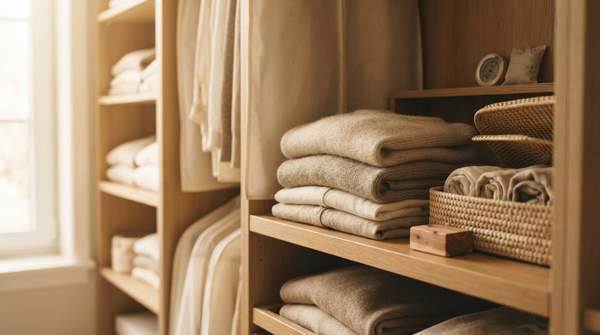
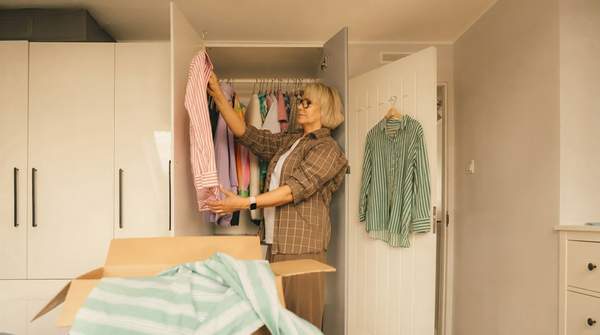
Strengths: Utilizes overlooked space | Discreet and functional | Easy access for small items | Limitations: Shallow capacity | May require custom cabinetry | Price: Low to Moderate

3. Flip-Up Banquettes

Best for: Dining or living areas requiring combined seating and hidden storage.

Banquettes that flip up provide comfortable seating while concealing generous storage compartments underneath. They are ideal for linens, seasonal items, or rarely used appliances, according to Good Housekeeping. This dual-purpose design makes dining areas surprisingly versatile, adapting to both entertaining and everyday storage needs.

Strengths: Dual-purpose furniture | Saves floor space | Creates a cozy dining nook | Limitations: Can be heavy to lift when full | Limited seating flexibility | Price: Moderate

4. Multi-functional Furniture with Hidden Storage

Best for: Any tiny home resident needing versatile pieces that adapt to various needs.

This category includes ottomans, sofas, lift-up platform beds, and tables that serve dual purposes. Such items infuse style while providing essential storage. Regular furniture can make spaces feel "cramped and cluttered," according to KPS4You. For example, a coffee table might also be an ottoman, or a bed might hide several drawers, as highlighted by Hanamori Shop. These pieces are not just space-savers; they are foundational to creating a home that feels expansive and organized, rather than merely small.

Strengths: Extremely versatile | Reduces clutter | Available in many styles | Limitations: Can be heavier than single-purpose items | Mechanisms may wear over time | Price: Varies widely

5. Storage Racks

Best for: Organizing various items efficiently in kitchens, bathrooms, or closets.

Storage racks are often foldable, durable, and versatile. They maximize vertical space, keeping floors and surfaces clear. This creates a sense of openness and makes cleaning easier, according to Hanamori Shop. Their ability to keep items visible yet organized means less searching and more seamless daily routines.

Strengths: High space efficiency | High versatility | Easy to clean | Limitations: Items are visible | Can look cluttered if not organized | Price: Low

6. Floating Shelves

Best for: Displaying decor, books, or small necessities without occupying floor space.

Floating shelves utilize vertical space effectively. They provide open storage or display areas, contributing to a minimalist aesthetic and keeping surfaces clear, as noted by KPS4You. Beyond storage, they offer an opportunity to personalize your space without adding visual weight.

Strengths: Visually light | Easy to install | Utilizes wall space | Limitations: Limited weight capacity | Items are exposed to dust | Price: Low

7. Wall-Mounted Desks

Best for: Individuals needing a dedicated workspace that can be folded away when not in use.

These desks utilize vertical space, providing a functional surface for work or hobbies. They fold up to free up floor space when not needed, making them excellent for multi-purpose rooms, as suggested by KPS4You. This flexibility allows a single room to effortlessly transition between work, relaxation, and entertaining.

Strengths: Saves floor space | Creates dedicated work zone | Can be easily stored | Limitations: Limited surface area | May not support heavy equipment | Price: Moderate

These examples illustrate how custom-built and purpose-designed pieces are crucial for seamlessly integrating storage into the very structure and furnishings of a tiny home, transforming small dimensions into highly functional living areas.

Beyond Space-Saving: The Broader Benefits of Tiny Living

The deliberate choice of compact living, enabled by smart storage, directly translates into a measurable reduction in resource consumption and environmental impact. Tiny homes reduce ecological footprint by requiring fewer materials and less energy for heating, cooling, and lighting, according to KPS4You. This means your home isn't just a place to live; it's a statement of conscious consumption and environmental stewardship. The table highlights how different approaches to home design impact these crucial aspects.

FeatureSpace UtilizationMaterial ConsumptionEnergy UseDesign Effort
Traditional Home (Conventional)Low (often inefficient)HighHighLow (basic needs)
Tiny Home (Simple Reduction)Moderate (smaller versions of large items)LowerLowerModerate
Tiny Home (Optimized Design)Very High (multi-functional, custom)Significantly LowerSignificantly LowerHigh (complex integration)

The Vertical Advantage: Maximizing Every Dimension

Prioritizing vertical storage is not just about fitting more items, but fundamentally about enhancing the perceived spaciousness and practical livability of a small environment. This strategic approach makes tiny homes feel open and functional. By shifting focus upwards, you free up valuable floor space. This trick of the eye makes your small home feel much larger than its actual dimensions. Think of it as reclaiming cubic feet, not just square feet, to improve your daily experience and reduce clutter.

The Financial Freedom of a Smaller Footprint

Ultimately, the meticulous planning of space and storage in tiny homes culminates in substantial long-term financial relief, making this lifestyle an attractive economic choice. Living in a tiny home can lead to fewer financial burdens, including lower costs for building, utilities, and maintenance, according to KPS4You. This financial benefit directly results from intelligent design choices and efficient space use.

Investing in specialized, multi-functional furniture and custom storage solutions, while an initial cost, is a prerequisite for unlocking these long-term financial and environmental efficiencies. This challenges the perception that tiny homes are inherently 'cheap' to furnish, instead highlighting the value of strategic investment.

Common Questions: How to Make Every Inch Count

What are the most popular tiny home storage solutions in 2026?

In 2026, solutions like built-in under-stair drawers, toe-kick drawers in kitchens, and flip-up banquettes are very popular. These custom-integrated options make the most of spaces often overlooked in traditional designs.

How can I maximize storage in a small apartment with multi-functional furniture?

Focus on pieces that serve dual purposes, like ottomans with hidden compartments or sofas that convert to beds. Look for furniture designed to fit compact footprints, ensuring every item actively contributes to both function and storage.

What architectural elements enhance space efficiency in tiny homes?

Beyond furniture, consider architectural choices like pocket doors. These doors slide directly into a wall, eliminating the swing space of traditional doors, according to Good Housekeeping. This frees up valuable floor and wall space for storage or other furniture.

By Q4 2026, companies like Tiny Living Solutions will likely emphasize custom, multi-functional designs in their marketing, reflecting the growing consumer demand for intelligent spatial engineering over simple size reduction. This shift recognizes that the true value proposition of tiny homes lies in their sophisticated design, not merely their small footprint.