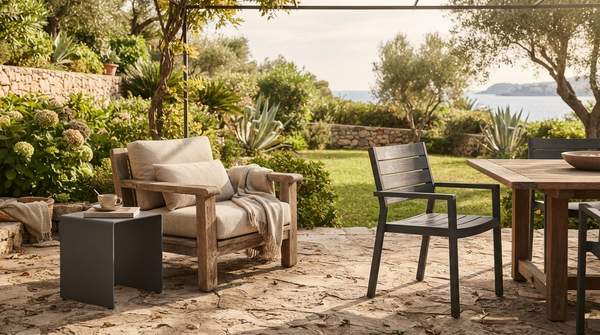
The national average for a custom-built outdoor kitchen now ranges from $13,000 to $17,000, transforming backyards into extensions of the home rather than just green space. The $13,000 to $17,000 investment pushes homeowners to consider their yards as multifunctional outdoor living spaces for 2026, blurring the lines between indoor and outdoor utility.
Homeowners are increasingly seeking to personalize and enhance their outdoor spaces with features like kitchens and privacy elements, but the rising costs of materials and labor often clash with initial budget expectations. This creates a tension between ambition and financial reality.
Homeowners are likely to face a trade-off between the scope of their outdoor living ambitions and their financial capacity, potentially leading to phased projects or a re-evaluation of priorities. The pursuit of personalized, climate-resilient outdoor spaces is driving significant investment, making traditional lawns obsolete.
The Shift Towards Purposeful Outdoor Spaces
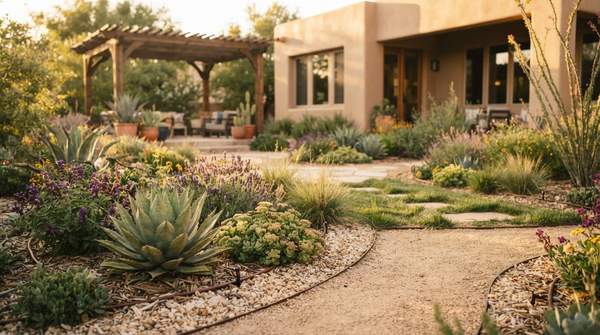
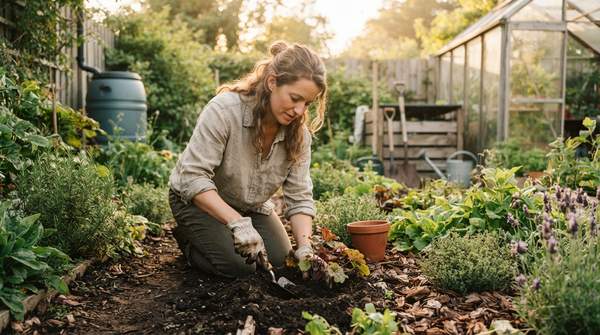
- 23% — Requests for native planting, pollinator gardens, and climate-adapted species increased 23% year over year, according to Forbes.
- 10% — Privacy-focused design elements increased by 10% year over year, following a 22% jump the prior year, as reported by Forbes.
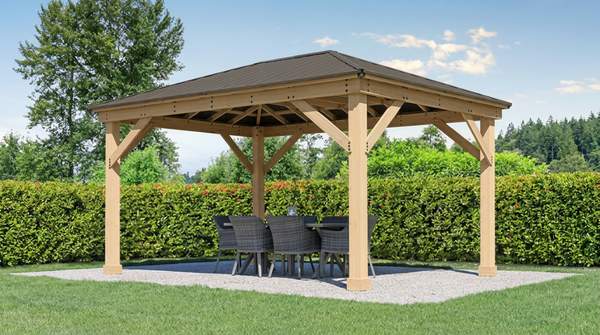
- 13% — Requests for shade and cooling features rose by 13% year over year, according to Forbes.
- 25% — Traditional lawn square footage declined 25% year over year, Forbes states.
The 25% year-over-year decline in traditional lawn square footage, coupled with a 23% increase in native planting requests, reveals a fundamental shift in homeowner values, prioritizing ecological function and climate resilience over manicured aesthetics. The 25% year-over-year decline in traditional lawn square footage demonstrates a rapid move away from the quintessential American lawn. Homeowners are actively replacing high-maintenance lawns with ecologically beneficial, lower-water alternatives, indicating a widespread shift from aesthetic uniformity to environmental consciousness. The concurrent 13% year-over-year rise in requests for shade and cooling features shows a proactive adaptation to changing climate conditions, moving beyond simple aesthetics to functional design that mitigates heat and conserves resources. These collective trends indicate a broad cultural shift where yards are no longer just aesthetic features but extensions of living space, designed for specific functions, comfort, and environmental consciousness, reflecting a deeper engagement with environmental stewardship and personal comfort.