5 New Earth-Kind Roses for Sustainable Gardens

In 2026, Texas A&M AgriLife Extension Service will name five new Earth-Kind rose selections, rigorously chosen for their ability to thrive with minimal care, limited irrigation, and no chemical inputs

MC
Mason Clarke

April 25, 2026 · 7 min read

A close-up of five distinct, vibrant Earth-Kind rose varieties blooming in a sustainable garden, with morning dew on their petals.

In 2027, Texas A&M AgriLife Extension Service will name five new Earth-Kind rose selections, rigorously chosen for their ability to thrive with minimal care, limited irrigation, and no chemical inputs, according to AgriLife Today. The extensive field trials of these selections show that even traditionally high-maintenance plants can be cultivated for extreme resilience, broadening the possibilities for sustainable and beautiful gardening. The 2027 Earth-Kind Rose campaign will launch this spring with educational and retail materials.

While low-maintenance drought-tolerant plants are celebrated for their resilience and minimal water needs, they still demand careful initial establishment and specific planting conditions to truly flourish. The necessity of regular watering for newly planted drought-tolerant species, especially in their first year, directly contradicts the common assumption that 'drought tolerant' implies immediate freedom from irrigation, according to RHS. For more, see our Best Drought Tolerant Plants for.

Gardeners who understand and implement proper initial care for these resilient species will likely achieve significant long-term water savings, reduced maintenance, and enhanced ecological value in their landscapes.

1. Top Picks for Your Resilient Garden

Best for: Gardeners seeking sustainable, low-input beauty

Earth-Kind roses, with five new selections named for 2026, are proven to flourish with minimal care, limited irrigation, and no chemical inputs, according to AgriLife Today. These varieties perform well in challenging conditions like Texas heat, drought, and varied soil, conserving water and reducing the need for fertilizers and pesticides. The rigorous testing and proven performance of these roses suggest a broader shift in horticulture, prioritizing environmental stewardship over traditional high-input gardening.

Strengths: Extreme resilience; water conservation; reduced need for chemicals. | Limitations: Initial establishment care required; specific varieties may be limited. | Price: Varies by cultivar and retailer.
Best for: Those desiring architectural interest and late-season appeal

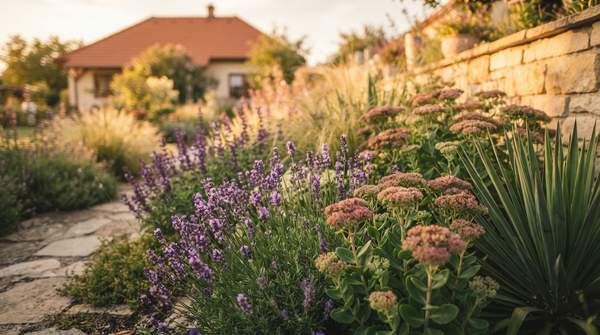
Sedums, also known as stonecrops, are drought-tolerant, succulent perennials. They provide structure and late-season color with very little maintenance, thriving down to zone 4, according to Homes and Gardens. These plants perform best in full sun and well-draining soils. Their ability to thrive in harsh conditions makes them ideal for modern, low-water landscape designs, especially in areas prone to late-season heat.

Strengths: Very low maintenance; late-season interest; hardy. | Limitations: Needs full sun and well-draining soil. | Price: Varies by cultivar and retailer.
Best for: Gardeners seeking extended bloom periods and adaptability

Persicaria is among the longest-flowering perennials, often providing color from mid-spring until the first frost. Hardy in zones 4–8, it will grow in sun or shade, tolerating a wide range of soil conditions, Homes and Gardens reports. This adaptability means Persicaria offers a versatile solution for gardeners looking to maximize bloom duration without compromising on resilience.

Strengths: Long flowering period; adaptable to sun/shade and soil. | Limitations: May spread vigorously in ideal conditions. | Price: Varies by cultivar and retailer.
Best for: Those in diverse climates looking for textured foliage and easy care

Yarrow is a hardy, frost-hardy perennial grown in zones 3–9. Valued for its finely cut, feathery foliage and flat-topped flower clusters, it is a resilient plant suitable for many zones, according to Homes and Gardens. Its hardiness across a wide range of zones makes it a reliable choice for adding texture and attracting beneficial insects in diverse climates.

Strengths: Very hardy; attractive foliage; low maintenance. | Limitations: Can self-seed readily; needs good drainage. | Price: Varies by cultivar and retailer.

Best for: Gardeners wanting vibrant, long-lasting color and deer resistance

Black-Eyed Susans (Rudbeckia spp.) are drought-tolerant perennials known for long-blooming daisy-like flowers in gold, bronze, and brown. These plants are deer-resistant and hardy in zones 3-9, states gardendesign. Their combined aesthetic appeal, resilience, and pest resistance make them a practical choice for vibrant, low-maintenance borders.

Strengths: Drought-tolerant; long blooming; deer-resistant. | Limitations: May self-seed aggressively. | Price: Varies by cultivar and retailer.

Best for: Eco-conscious gardeners in dry, sunny areas

Blanket Flower (Gaillardia spp.) is a short-lived perennial native to western U.S. prairies. It thrives in dry sunny conditions and lean soil, attracting bees and providing food for wildlife, gardendesign reports. It is hardy in zones 3-10. The Blanket Flower's natural affinity for challenging conditions and its ecological benefits show its value in restoring native habitats and supporting local ecosystems.

Strengths: Thrives in poor soil and dry conditions; attracts pollinators. | Limitations: Short-lived perennial; may need reseeding. | Price: Varies by cultivar and retailer.

Best for: Wildlife enthusiasts seeking native, pollinator-friendly plants

Beardtongue (Penstemon spp.) is a diverse group of North American natives with nectar-rich tubular flowers that attract pollinators. These plants come in a wide range of colors and are hardy in zones 3-9, according to gardendesign. The Beardtongue's role as a vital food source for pollinators shows the importance of incorporating native species to bolster biodiversity in home gardens.

Strengths: Attracts pollinators; diverse colors; native. | Limitations: Requires good drainage; some species are short-lived. | Price: Varies by cultivar and retailer.

Best for: Gardeners wanting late-season blooms and adaptable native plants

Asters (Symphyotrichum spp.) are late-season bloomers with daisy-like flowers in various colors. Native to North America, they can tolerate a wide range of growing conditions and are hardy in zones 3-8, gardendesign notes. Their late-season bloom provides crucial sustenance for pollinators when other food sources dwindle, extending the garden's ecological contribution.

Strengths: Late-season color; native; adaptable. | Limitations: Can be susceptible to powdery mildew. | Price: Varies by cultivar and retailer.

Best for: Modern landscapers seeking ornamental grasses for texture

Blue Fescue is an ornamental grass hardy in zones 4-8, according to gardendesign. It is known for its distinctive blue-green foliage and compact, mounding form, offering architectural interest to dry landscapes. Its unique texture and color offer an alternative to traditional flowering plants, providing year-round visual interest in water-wise designs.

Strengths: Architectural form; drought-tolerant once established. | Limitations: Limited information on other benefits; can look sparse if not well-maintained. | Price: Varies by cultivar and retailer.

2. Optimizing Your Planting Strategy

Plant TypeIdeal Planting TimeRationale
Mediterranean-style plantsMarchEstablishes in warmer weather
Silver-leaved plantsMarchEstablishes in warmer weather
Warm season grassesMarchEstablishes in warmer weather

Mediterranean-style plants, silver-leaved plants, and warm season grasses should be planted in March to establish in warmer weather, according to RHS. This strategic planting time, tailored to specific plant types, is a foundational step in ensuring drought-tolerant species establish robust root systems before facing harsh conditions. While Gardendesign describes various native plants like Blanket Flower as thriving in dry sunny conditions and lean soil, the timing of planting is crucial to allow them to adapt before extreme heat or drought. The emphasis on March planting for specific types reveals that even resilient plants have optimal windows, suggesting that a one-size-fits-all approach to planting time is counterproductive for long-term success.

3. The Crucial First Year: Nurturing Resilience

Watering newly planted trees, shrubs, and perennials regularly is necessary, especially in the first year, even if they are described as drought tolerant, according to RHS. This directly challenges the common assumption that 'drought tolerant' implies immediate freedom from irrigation. True drought tolerance is developed over time; consistent initial hydration is not a contradiction but a vital investment in a plant's future self-sufficiency.

Based on AgriLife Today's rigorous selection process for Earth-Kind roses and RHS's planting guidelines, home gardeners must understand the importance of initial care.that true 'low-maintenance' landscapes are not instant gratification; they are a multi-year investment in careful establishment that pays dividends only after initial diligence. The discrepancy between the 'minimal care' marketing of drought-tolerant plants from AgriLife Today and the reality of their demanding establishment phase, as detailed by RHS, suggests that public education campaigns must explicitly address the initial effort required to prevent widespread gardener frustration and plant failure. The disconnect between marketing and reality implies a need for clearer industry communication, ensuring gardeners are equipped with realistic expectations for sustainable landscaping.

Companies promoting native and drought-tolerant plants without clear, upfront guidance on essential soil preparation and first-year watering, as detailed by RHS, risk undermining the very sustainability goals they claim to support, leading to wasted resources and disillusioned consumers. The long-term ecological benefits of native plants are only realized after a crucial, often multi-year, period of soil improvement and establishment care, making patience a key ingredient for sustainable gardening. This highlights that the success of sustainable gardening initiatives hinges not just on plant selection, but on comprehensive gardener education and industry transparency.

4. Addressing Common Soil Challenges

How can heavy clay soils be improved for drought-tolerant plants?

Clay soils are dense and require significant time for improvement. Adding organic matter consistently over several years can make planting sites much more hospitable, allowing drought-tolerant species to establish effectively. This long-term approach ensures better drainage and aeration, crucial for root development, according to RHS. The multi-year commitment to soil amendment reveals that foundational soil health is as critical as plant selection for achieving true drought resilience, suggesting a deeper, more patient approach to garden planning.

If gardeners embrace the initial diligence required for drought-tolerant plants, the 2027 launch of new Earth-Kind roses will likely herald a significant shift toward more genuinely sustainable and resilient landscapes.