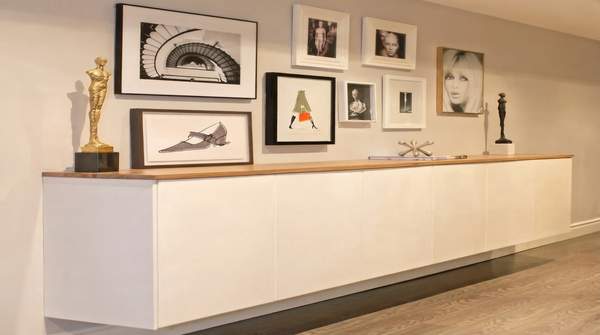
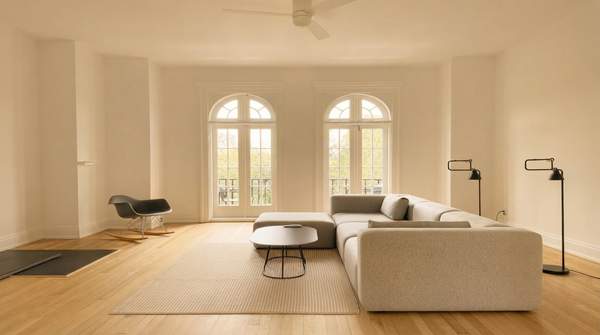
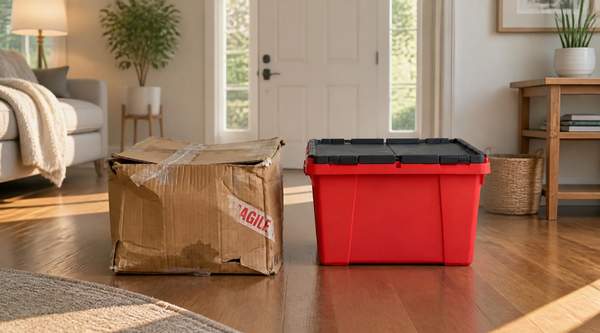
Forget bulky dressers: bespoke, double-sided bed frames are a 2026 trend, functioning as both a headboard and a hidden storage unit. Bespoke, double-sided bed frames revolutionize bedroom organization, maximizing space in compact apartments by offering integrated utility, according to Livingetc.
Traditionally, small spaces meant sacrificing either storage capacity or aesthetic appeal. Now, innovative solutions deliver both maximized utility and luxurious design. Homeowners increasingly prioritize integrated, multi-functional storage that declutters and enhances their living spaces' aesthetic and long-term value.
Smart Solutions for Every Nook and Cranny
Transforming small areas into highly functional homes requires more than just adding boxes. It demands creative integration and multi-functional solutions. Here are expert-vetted strategies to maximize your space.
1. Wall Hooks
Best for: Renters, minimalists, and quick access.
Wall hooks are simple, versatile tools that free up floor space by utilizing vertical wall space. Ideal for coats, bags, or gear like skis, they offer immediate clutter relief, according to Architectural Digest.
Strengths: Easy installation, cost-effective, versatile. | Limitations: Visible storage, can appear cluttered if overused. | Price: Affordable.
2. Beds with Built-in Storage
Best for: Bedrooms needing significant hidden storage.
These innovative bed frames integrate storage directly into their structure, often with drawers, lift-up platforms, or double-sided units. They effectively hide clutter like seasonal clothing or spare bed linens. Bespoke, double-sided bed frames function as both a headboard and a storage unit, as highlighted by Livingetc.
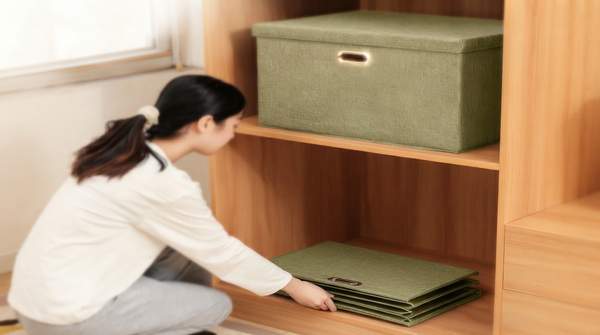
Strengths: Maximizes floor space, conceals clutter, high design integration. | Limitations: Higher upfront cost, less flexible for rearrangement. | Price: Premium.
3. Racks
Best for: Kitchens, bathrooms, or entryways needing accessible organization.
Racks offer open shelving or hanging space, keeping items visible and accessible. They organize spices, towels, or shoes, adding functionality without bulk. The New York Times identifies them as a useful solution for small apartments.
Strengths: Easy access, simple installation, varied designs. | Limitations: Visible items, can accumulate dust. | Price: Moderate.
4. Pegboards
Best for: Craft rooms, kitchens, or home offices.
Pegboards provide customizable vertical storage with rearrangeable hooks and shelves. They are excellent for tools, kitchen utensils, or office supplies, keeping essentials within reach, as noted by The New York Times.
Strengths: Highly customizable, visual organization, space-saving. | Limitations: Requires wall space, can look busy. | Price: Affordable to Moderate.
5. Storage Benches
Best for: Entryways, living rooms, or dining areas needing dual-purpose furniture.
Storage benches offer seating with concealed storage underneath. Ideal for blankets, shoes, or seasonal items, they enhance comfort and organization, hiding clutter like seasonal clothing or spare bed linens, according to Architectural Digest.
Strengths: Multi-functional, hides clutter, provides seating. | Limitations: Limited capacity compared to larger units. | Price: Moderate.
6. Vertical Storage (Wall and Shelving Units)
Best for: Any room needing significant vertical organization.
These units utilize wall height, offering shelves, cabinets, and rails. They store and display items, drawing the eye upwards to make rooms appear larger while providing ample storage. They can make small areas like the kitchen feel more expansive, according to IKEA.
Strengths: Maximizes wall space, creates visual interest, versatile. | Limitations: Requires careful styling to avoid clutter. | Price: Moderate to Premium.
7. Closed Wardrobes
Best for: Hallways, bedrooms, or living areas needing discreet storage.
Closed wardrobes conceal items behind doors, maintaining a clean, uncluttered look. Modern designs often include integrated lighting, enhancing usability and a sense of luxury when accessing items, a trend noted by Livingetc. Even hallways can pack in more storage without feeling overwhelmed, as IKEA states.
Strengths: Hides clutter completely, sleek appearance, can include luxurious features. | Limitations: Can be bulky, less flexible for daily access. | Price: Moderate to Premium.
8. Combination Storage Units (Open and Closed Sections)
Best for: Multi-functional rooms like studio apartments or guest rooms.
These units blend open shelving for display with closed cabinets for hidden storage. They are perfect for organizing diverse items, accommodating both clothes and books within a single piece of furniture in a sleep/work zone, according to IKEA.
Strengths: Versatile, balances display and concealment, ideal for multi-purpose rooms. | Limitations: Can be large, requires careful planning for placement. | Price: Moderate to Premium.
9. Baskets
Best for: Living rooms, bedrooms, or children's play areas.
Baskets offer flexible, portable storage for miscellaneous items, from toys to magazines. They integrate aesthetically and can even be disguised with a throw for a seamless look, as mentioned by Architectural Digest.
Strengths: Portable, versatile, adds texture and style. | Limitations: Items not fully concealed, can collect dust. | Price: Affordable.
Beyond the Basics: Evaluating Modern Storage Trends
The evolution of storage solutions moves beyond simple containment. Modern trends emphasize integrated, multi-functional designs that redefine how we interact with our living spaces, turning necessity into a design opportunity.
| Storage Type | Primary Benefit | Aesthetic Impact | Space Optimization | Investment Level |
|---|---|---|---|---|
| Traditional Single-Purpose Solutions (e.g. standalone dresser, basic wall hooks) | Basic item containment, immediate clutter relief | Can appear bulky or utilitarian | Primarily adds to footprint, less efficient use of vertical space | Low to Moderate |
| Integrated Multi-functional Furniture (e.g. bespoke bed frames, illuminated wardrobes) | Maximized utility, enhanced user experience, hidden functionality | Seamless, luxurious, contributes to overall design | Reclaims significant floor and wall space through clever design | Moderate to Premium |
Investing in Space and Style
Thoughtful storage solutions are an investment in your home's functionality and aesthetic appeal. The market for small-space living now demands expert-vetted, design-forward solutions that transform compact areas into personalized, luxurious environments, as evidenced by Architectural Digest and Livingetc. The demand for expert-vetted, design-forward solutions, exemplified by bespoke, multi-functional furniture and integrated lighting, means small living spaces are no longer a constraint but a canvas for innovative design. For more, see our Multi-Functional Furniture Storage Hacks for.
Homeowners can expect an even greater array of integrated storage options, with designers like IKEA focusing on solutions that make small areas feel more expansive.
Your Storage Questions Answered
How can I make my small apartment feel larger with storage?
Focus on vertical storage and light-colored units. Wall-mounted shelves and tall cabinets draw the eye upward, creating an illusion of height and openness. Strategic placement of mirrors near storage can also amplify light and space, according to The Strategist.
What are some affordable ways to add storage to a rental apartment?
For renters, temporary and non-damaging solutions are key. Command hooks and adhesive shelves offer easy installation and removal. Use under-bed storage containers or stackable bins in closets to maximize existing spaces without permanent fixtures.
Where can I find the best space-saving furniture in 2026?
Major retailers like IKEA offer extensive lines of furniture designed for compact living, including modular systems and multi-functional pieces. For higher-end, bespoke integrated solutions, specialized interior design firms or custom furniture makers are becoming more prevalent, especially for trends like illuminated wardrobes and double-sided bed frames.