Outdoor

Your Perfect Lawn is Harming the Planet. Native Plants Are the Solution.

The quintessential American lawn is harming the planet, demanding constant resources while offering little to local wildlife. Embracing native plants is an economic and environmental imperative, fostering biodiversity and building climate resilience right outside our doors.

MC
Mason Clarke

April 2, 2026 · 6 min read

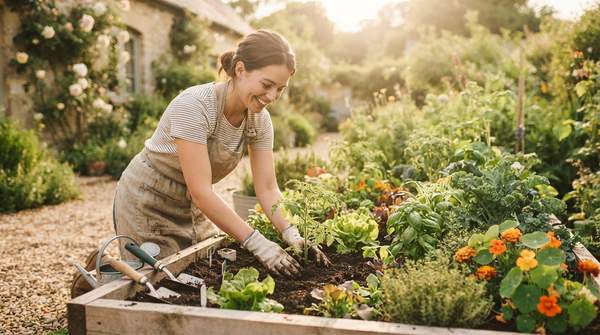
A beautiful native plant garden thriving with colorful wildflowers, grasses, and active pollinators, contrasting with a less vibrant traditional lawn in the distance, symbolizing ecological health.

Prioritizing native plant landscaping is no longer a niche hobby for ecologists; it is an economic and environmental imperative for every homeowner. The quintessential American lawn, with its demand for constant watering, fertilizing, and mowing, represents a resource-intensive monoculture that offers little to no value for local wildlife. The informed homeowner must now understand why native plants are crucial for local ecosystems, as embracing them is one of the most direct and powerful ways to foster biodiversity, conserve precious water resources, and build climate resilience right outside our own doors.

This conversation has reached a critical juncture. The urgency is not merely academic but is being recognized in statehouses across the country. As of this year, April is now officially Native Plant Month in New York State, a move that reflects a burgeoning national awareness. This is not an isolated event. According to reporting from 27east.com, by 2025, an overwhelming 44 states and the District of Columbia had proclaimed a Native Plant Month, with fifteen of those states passing permanent legislation. This groundswell of official recognition underscores a fundamental shift in our understanding of what a yard can and should be in an era of increasing environmental stress.
Why Native Plant Landscaping Benefits Local Ecosystems

To fully grasp the argument for native plants, we must first understand the ecological role they play. These are the plants that have co-evolved over millennia with the specific climate, soil conditions, and wildlife of a region. They form the foundational layer of the local food web, a complex and delicate structure that exotic species often disrupt. While a pristine turfgrass lawn or a bed of imported flowers might look appealing, from an ecological perspective, they are often the equivalent of a food desert.

Consider the following benefits:

  • Support for Wildlife and Pollinators: Native plants provide the essential nectar, pollen, seeds, and foliage that native insects, birds, and other animals require for survival. For example, many butterfly and moth species have larvae that can only feed on specific host plants with which they evolved. Without these plants, these vital pollinators cannot complete their life cycles, leading to cascading negative effects throughout the ecosystem.
  • Significant Resource Conservation: Because native plants are perfectly adapted to their environment, they thrive with minimal intervention. Once established, they generally require far less water than non-native species, a critical advantage in regions facing drought. They also do not need the chemical assistance of synthetic fertilizers and pesticides to flourish, which not only saves homeowners money but also prevents harmful chemical runoff from contaminating local streams and groundwater. This makes them a truly worthwhile investment in both time and money.
  • Combating Invasive Species: When we choose native species, we actively deny territory to invasive plants. Invasive species are non-native plants that spread aggressively, out-competing native flora for resources like sunlight, water, and nutrients. This competition severely reduces biodiversity and can permanently alter landscapes, making it difficult for natural ecosystems to function or recover.

The economic and ecological damage caused by non-native species running amok is staggering. To see the consequences in sharp relief, we can look to Australia's long and costly battle with invasive weeds. According to new research from the University of Wollongong, these invasive plants impose an estimated $5 billion annual financial strain on the Australian economy through control measures and lost agricultural production. The report notes that of the approximately 2,700 weed species recorded nationally, more than 400 are considered major environmental threats that degrade native ecosystems. This serves as a stark, data-driven warning of what can happen when non-native species become established where they don't belong.

The Counterargument: Aesthetics, Availability, and Tradition

Of course, the transition away from conventional landscaping faces cultural and practical hurdles. For generations, the neatly manicured, emerald-green lawn has been a powerful symbol of suburban success and civic responsibility. Homeowners often choose exotic plants because they are familiar, widely available at large commercial nurseries, and offer specific aesthetic qualities—like uniform growth or particular bloom colors—that they have come to expect. There is a perception that native landscapes are inherently "messy" or "weedy," a look that might run afoul of neighborhood expectations or even Homeowner Association (HOA) guidelines.

This perspective, however, is becoming increasingly outdated. The argument that native plants lack aesthetic appeal ignores the incredible diversity and beauty they offer. From the vibrant blooms of coneflowers and black-eyed Susans to the subtle textures of native grasses, a thoughtfully designed native garden can be as structured and visually stunning as any traditional English garden. The key is intentional design—what some call "Native by Design"—which applies established landscaping principles to native palettes. Furthermore, the market is responding to growing demand. Specialized native plant nurseries are becoming more common, and events like the 6th annual Native Plant Sale at Austin Peay State University signal a clear shift in consumer interest. The initial effort to source the right native plants is a small price to pay for the long-term rewards of a lower-maintenance, self-sustaining, and ecologically vibrant yard.

Deeper Insight: Your Yard Is Not an Island

As a journalist covering outdoor spaces, I've observed that homeowners often view their property in isolation. We install fences, we cultivate our gardens, and we see our property lines as the boundary of our influence. But ecologically, this is a fiction. Your yard is a small parcel within a much larger, interconnected environmental mosaic. The choices you make—to plant a native oak or an invasive Bradford pear, to cultivate a patch of milkweed or spray for every dandelion—have consequences that ripple across those property lines.

This is where the concept of collective action becomes paramount. A single native garden can be a vital refuge for local pollinators, but its impact is limited. However, a neighborhood of native gardens can create a functional wildlife corridor, connecting fragmented habitats and allowing species to move, feed, and reproduce across a wider area. This transforms a collection of individual yards into a cohesive, living landscape.

A University of Wollongong study on invasive species management found individual efforts to remove invasive plants are often futile if neighbors don't do the same. Seeds and roots spread easily by wind, water, and wildlife, meaning one unmanaged property can constantly re-infest an entire block, undermining all local efforts. The lead researcher noted, "It is only when people work together on weeds, across property boundaries, can we see an appreciable reduction in weed populations and their impacts." This principle applies just as strongly to restoration efforts. By coordinating with neighbors to plant native species, homeowners can build ecological resilience on a community-wide scale, creating a more robust local ecosystem.

What This Means Going Forward

Public policy will increasingly support native plant landscaping. Municipalities are already acting; the city council in Encinitas, California, for instance, is moving forward with a native plants ordinance. This trend suggests more local governments and HOAs will incentivize native landscaping through various programs and restrict the sale and planting of known invasive species, shaping future residential land management.

The demand for native plants will drive significant changes in the horticultural industry. Large retailers will dedicate more space to local ecotypes, and landscape professionals will develop deeper expertise in native design. This shift will make it easier and more accessible for the average homeowner to make ecologically responsible choices.

Saudi Arabia has launched a "One Million Native Plants Project" in its AlUla region, as reported by Travel and Tour World. This massive undertaking aims to revitalize a fragile desert ecosystem, proving that large-scale ecological restoration centered on native flora is a viable strategy even in the world's most challenging climates.

Homeowners possess a unique and powerful agency in today's market. The decision to convert even a small portion of a lawn to a thriving bed of native plants is a direct, tangible action. It is a step toward restoring ecological balance, conserving water, and creating a healthier, more resilient community. This marks the end of the sterile green lawn and the beginning of the living landscape.