Standard lawn care service alone can recover 217% of its cost at resale, making it one of the most profitable home improvements. This return significantly surpasses many major renovation projects, highlighting the unexpected financial leverage of routine exterior care.
Small, consistent landscaping efforts can deliver over double their cost back at resale, but many homeowners still pursue major renovations with much lower returns. This disconnect often leads to missed opportunities for maximizing property value through strategic, budget-friendly enhancements.
Homeowners should strategically focus on cost-effective exterior enhancements and ongoing maintenance to unlock significant, often overlooked, property value.
Refreshing a home's exterior with landscaping creates an inviting, polished look, according to Northern Virginia Magazine. This strong curb appeal directly translates to financial gains, potentially increasing sale prices by 5% to 11%, as reported by Yardzen. In fact, well-designed landscaping can boost a home’s resale value by up to 20 percent, notes trcoutdoor.
The Surprising ROI of Simple Greenery
- 217% — Standard lawn care service recovers 217% of its cost at resale, according to Smartservice.
- 104% — Ongoing seasonal landscape maintenance returns 104% of its cost, reports Smartservice.
- 7%-19% — Mature trees increase home value by 7% to 19%, states Yardzen.
- $1,000-$10,000 — Mature trees also add $1,000-$10,000 to appraised value, according to Hadaa App.
- 100% — A full landscape upgrade with new plants, beds, mulch, and basic hardscape recovers its cost dollar-for-dollar (100%), Smartservice found.
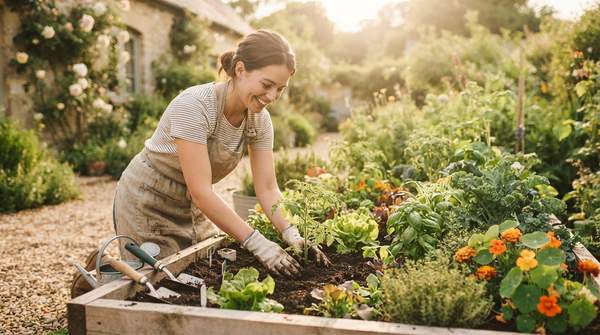
Even minor or routine landscaping investments can yield exceptional returns, often far exceeding their initial cost.
High-Impact Upgrades That Won't Break the Bank
1. Fresh mulch and edging
Best for: Homeowners seeking immediate visual improvement and a polished look.
Fresh mulch and neat edging define garden beds and pathways, signaling meticulous home maintenance. This simple enhancement instantly elevates curb appeal with a clean, organized appearance.
Strengths: High ROI improvement; communicates maintenance discipline | Limitations: Requires annual refresh | Price: Low
2. Mature trees
Best for: Homeowners looking for significant long-term value and aesthetic appeal.
Mature trees offer substantial benefits, increasing home value by 7% to 19% and adding $1,000-$10,000 to appraised value. They provide shade, improve air quality, and enhance a property's grandeur.
Strengths: Significant value increase; environmental benefits | Limitations: Higher initial cost; slow growth | Price: Moderate to High
3. Full landscape upgrade with new plants, beds, mulch, and basic hardscape
Best for: Homeowners wanting a comprehensive exterior refresh with solid financial recovery.
This upgrade involves new plantings, defined garden beds, fresh mulch, and basic hardscaping. It recovers 100% of its cost, offering a cohesive, impactful transformation of the entire outdoor space.
Strengths: Comprehensive improvement; full cost recovery | Limitations: Higher upfront investment | Price: Moderate
4. Foundation plantings
Best for: Homeowners aiming to soften architectural lines and integrate the home with its landscape.
Plantings around the home's foundation offer disproportionate value. These cost-effective ornamental improvements effectively enhance the base of the house, creating visual harmony and significant impact.
Strengths: High visual impact; cost-effective | Limitations: Requires plant selection knowledge | Price: Low
5. Planters with seasonal plants
Best for: Homeowners desiring flexible, immediate color and a welcoming entrance.
Planters with seasonal plants softly frame a home's entrance, adding vibrant color and a dynamic element. These cost-effective ornamental improvements are easily updated throughout the year, making a big impact.
Strengths: Instant color; easily changeable; low cost | Limitations: Requires regular watering and seasonal updates | Price: Very Low
6. Removing overgrown hedges & planting boxwoods/perennials/potted plants
Best for: Homeowners needing to modernize and create a tidier, more inviting landscape.
Replacing overgrown hedges with fresh boxwoods, perennials, or potted plants creates a welcoming, polished landscape. This improvement addresses a common curb appeal detractor and updates the home's aesthetic for a relatively low cost.
Strengths: Modernizes appearance; high impact | Limitations: Initial effort for removal and planting | Price: Low to Moderate
7. Healthy lawn edges
Best for: Homeowners focused on perceived neatness and overall lawn care discipline.
Maintaining healthy, crisp lawn edges offers disproportionate value. This small detail significantly impacts the perceived care and neatness of the entire yard, contributing to a well-maintained impression.
Strengths: High impact on perception; low cost | Limitations: Requires consistent maintenance | Price: Very Low
8. Clear pathway
Best for: Homeowners prioritizing safety, accessibility, and a welcoming approach to their home.
A clear, well-maintained pathway offers disproportionate value. It ensures safe access and immediately improves a home's welcoming aspect, often requiring only cleaning or minor repairs.
Strengths: Essential for safety and aesthetics; low cost | Limitations: May require occasional cleaning | Price: Very Low
Simple, targeted improvements to specific areas like entrances or garden beds can dramatically enhance curb appeal and provide solid financial recovery.
Where to Invest: Landscaping vs. Other Home Projects
| Project Type | Average Cost Recovery (ROI) | Primary Benefit | Drawbacks |
|---|---|---|---|
| Standard Lawn Care Service | 217% | Exceptional ROI, immediate curb appeal | Requires consistent, ongoing effort |
| Full Landscape Upgrade | 100% | Comprehensive aesthetic overhaul | Higher upfront cost than basic care |
| In-ground Pool | 56% | Recreational enjoyment, luxury appeal | High installation and maintenance costs, low resale value recovery |
An in-ground pool, for instance, recovers only 56% of its cost on average, according to Smartservice. While large-scale home additions offer personal enjoyment, their financial return often pales in comparison to strategic landscaping investments.
How We Measure Value: Understanding ROI
Return on Investment (ROI) in home improvements calculates the percentage of a project's cost homeowners recover at resale. This metric considers initial outlay and added property value. For landscaping, ROI reflects how a well-maintained exterior contributes to a buyer's willingness to pay more. Understanding these calculations empowers homeowners to make informed budget decisions.
The Green Investment That Pays Off
Investing wisely in a home's exterior is a proven strategy for maximizing its market value. Smartservice data suggests homeowners prioritizing consistent lawn care could see over double their investment returned, reinforcing the value of strategic outdoor spending.
Your Landscaping ROI Questions Answered
What are the most cost-effective strategies for enhancing curb appeal?
Beyond specific plantings, maintaining a clean and clutter-free exterior offers immediate visual improvement at minimal cost. This includes power washing pathways and siding, ensuring clear gutters, and regular sweeping, which collectively signal diligent home care to potential buyers.
Can ongoing seasonal maintenance significantly improve yard aesthetics without high costs?
Yes, consistent seasonal landscape maintenance, such as pruning, weeding, and refreshing annuals, returns 104% of its cost, according to Smartservice. This sustained effort creates a perpetually appealing yard, preventing larger, more expensive overhauls later.
Does a full landscape overhaul always provide the highest return on investment?
Not necessarily. While a full landscape upgrade recovers 100% of its cost, the largest value increases, up to 20% of resale value, often stem from the overall perception of a well-maintained home. This perception is significantly influenced.ced by consistent, low-cost efforts like basic lawn care and thoughtful foundation plantings, rather than just large-scale, one-time renovations.