The most common mistake gardeners make when going native is starting with the wrong map. The USDA Plant Hardiness Zone map can tell you whether a plant will survive your winters, but it cannot tell you whether that plant is actually native to your region. To choose plants that will genuinely thrive and support your local ecosystem, you need a different sequence: define your goals, evaluate your yard's specific conditions, identify your ecoregion, and then use ecoregion-based resources to build your plant list.
Your Step-by-Step Native Plant Selection Framework
This framework walks through four ordered steps. Following the sequence matters: skipping ahead to plant shopping without assessing your site is how gardeners end up with plants that survive winter but fail in every other respect.
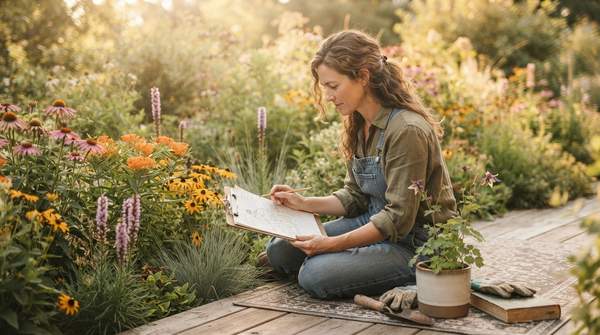
- Define your landscaping goals. Utah State University Extension asks gardeners to begin with intent: "Your goal will help guide your plant selections." Whether you want perennial color without the expense of annuals, pollinator habitat, water conservation, or some combination, the goal narrows every later choice.
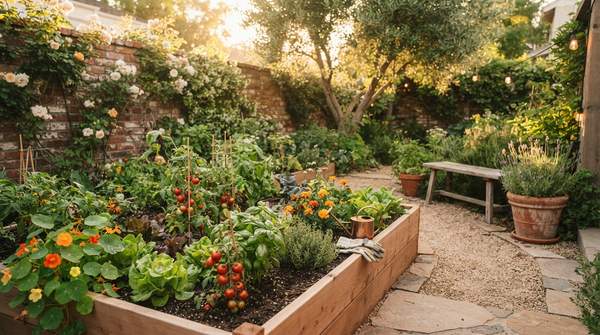
- Evaluate your site conditions. Utah State University directs gardeners to "identify and evaluate the area where you plan to install your native plants," the same discipline applied to vegetable gardens and landscape beds. Observe sun exposure across seasons, note where water collects or drains quickly after rain, and consider your soil.
- Identify your ecoregion. Determine the ecological region your property sits within, accounting for climate, rainfall, and growing conditions, not just minimum winter temperature.
- Use ecoregional tools to find plants. Match your site assessment against plant lists built for that ecoregion, then filter by your specific yard's sun, moisture, and soil.