A single closet organizing project can cost anywhere from $300 to $600. The specialized expertise and extensive toolkit professional organizers bring to even small spaces, transforming clutter into functional havens, reflect this cost. Homeowners often attempt to organize chaotic rooms with basic tidying, but true transformation demands a specialized arsenal of tools and a methodical process. As demand for organized living grows, individuals will increasingly invest in professional services or meticulously adopt their detailed strategies and equipment for DIY success.
The Investment in Order: What Professional Organizing Costs
- $75-$150 per hour — Professional organizers typically charge between $75 and $150 per hour in 2026, according to beautifullymoved.
- $300–$600 — A single closet organizing project can range from $300 to $600, according to beautifullymoved.
Professional organizing is a specialized service, demanding significant financial commitment, as confirmed by these rates. Deep expertise and a comprehensive, specialized toolkit professionals bring to even small spaces—a level of readiness homeowners rarely possess for DIY efforts—are reflected in the cost.
Beyond Tidying: The Professional Organizer's Essential Toolkit
Transforming chaotic rooms, like a home office, demands more than tidying. It requires a diverse set of tools. Professional organizers use a comprehensive toolkit to tackle challenges and make your space truly functional.
1. Decluttering and Removing Unwanted Items
Best for: Anyone overwhelmed by accumulated possessions and struggling to make decisions about what to keep.
Decluttering removes unwanted items like decor, clothes, and kitchenware. Decluttering creates a clean slate for true organization.
Strengths: Reduces volume immediately, clarifies what you own, and sets the stage for effective organization. | Limitations: Can be emotionally draining and time-consuming without a clear process. | Price: Free (DIY) to professional service cost.
2. Selecting Appropriate Organizing Systems
Best for: Individuals seeking long-term order and efficient storage solutions.
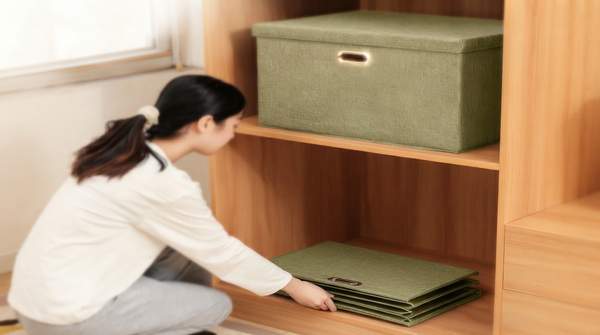
After decluttering, professional organizers select appropriate organizing systems. Selecting appropriate organizing systems ensures items have a designated home, preventing future clutter and maintaining order.
Strengths: Tailors solutions to your specific needs, maximizes space, and promotes lasting organization. | Limitations: Requires an understanding of available products and spatial planning. | Price: Cost of systems and/or professional consultation.
3. Separating Rooms into Zones
Best for: Optimizing functionality in multi-purpose or smaller rooms.
Defining specific zones within a room clearly delineates function, simplifying organization, especially in smaller spaces. Defining specific zones structures your living areas.
Strengths: Improves room flow, reduces visual clutter, and assigns purpose to every area. | Limitations: May require creative thinking to implement effectively in oddly shaped rooms. | Price: Free (conceptual planning).
4. Utilizing Vertical Space (e.g. back of doors)
Best for: Maximizing storage in homes with limited floor space.
Utilize the back of doors with hooks for bags and jackets, or shelving for shoes, pantry staples, or extra toilet paper, according to lonefox. Utilizing the back of doors adds significant storage without expanding your footprint.
Strengths: Creates hidden storage, keeps frequently used items accessible, and frees up counter or floor space. | Limitations: Requires appropriate door-mounted products; can sometimes damage doors if not installed properly. | Price: Cost of hooks, shelves, or organizers.
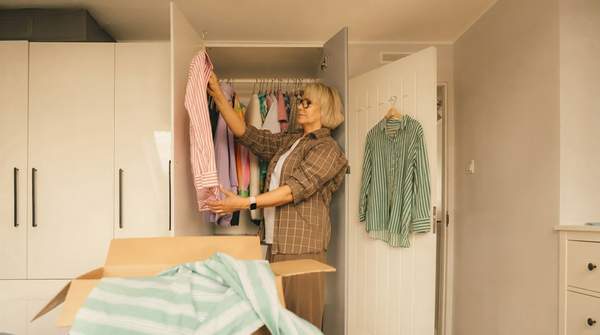
5. Implementing Closet Organization Systems
Best for: Anyone struggling with disorganized closets and difficulty finding clothes.
Invest in a closet organization system, with options from DIY at Home Depot to stores like Container Store or IKEA, according to lonefox. A structured closet simplifies getting ready and reduces stress.
Strengths: Maximizes storage capacity, improves visibility of items, and streamlines daily routines. | Limitations: Can be a significant upfront investment; installation may require time or professional help. | Price: Varies widely based on system complexity.
6. Maximizing Under-Bed Storage
Best for: Bedrooms needing extra storage for seasonal items or less frequently used possessions.
Use bed risers to create under-bed storage for suitcases, clothes, shoes, or pots and pans, according to lonefox. Under-bed storage, an often-overlooked area, offers powerful storage.
Strengths: Utilizes unused space, keeps items out of sight, and reduces clutter in other areas. | Limitations: Items may accumulate dust; requires specific storage containers. | Price: Cost of bed risers and storage bins.
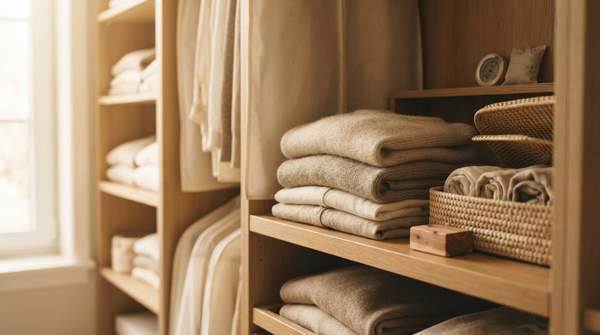
7. Using Decorative Baskets for Clutter Containment
Best for: Quick, aesthetically pleasing solutions for managing visible clutter.
Replace clear plastic shelves with decorative baskets to contain clutter and add decor. They are easy to move and tuck away, according to lonefox, instantly making a messy room look clean.
Strengths: Hides clutter instantly, adds to home decor, and offers flexible storage. | Limitations: Items can still become disorganized within the basket if not sorted periodically. | Price: Cost of baskets.
8. Regular Decluttering
Best for: Maintaining long-term organization and preventing clutter from returning.
To prevent rooms from reverting to chaos, declutter decor, clothes, and kitchenware every 6 months, reducing unneeded possessions, according to lonefox. Regular decluttering ensures lasting order.
Strengths: Prevents overwhelm, keeps possessions manageable, and reinforces organized habits. | Limitations: Requires ongoing commitment and time investment. | Price: Free (time investment).
9. Organizing Home Office Spaces
Best for: Individuals working from home who need a productive and efficient workspace.
Organizers help individuals working from home by decluttering office spaces, organizing files, and setting up systems to support business needs, according to houzz. A well-organized office boosts productivity and reduces stress.
An organizer's toolkit is vast, encompassing cutting tools like scissors, box cutters, and an exacto knife; minor repair items such as a mini hammer with screwdrivers and a picture-hanging kit; cleaning agents like Goo Gone and Clorox Wipes; and diverse labeling supplies. The vast breadth of an organizer's toolkit confirms successful organization means anticipating and solving a wide array of practical problems, not just sorting items into bins. Professional organization is less 'tidying up' and more a meticulous, light-duty renovation, demanding problem-solving beyond simple decluttering, according to houzz.
Professional Services vs. DIY Strategies: A Methodical Approach
Facing chaotic rooms offers two paths: professional assistance or dedicated DIY. Understanding the distinction helps you choose the right approach.
| Feature | Professional Organizer Service | DIY Strategy (e.g. Zoning) |
|---|---|---|
| Scope of Work | Comprehensive decluttering, removal of unwanted items, selection of appropriate organizing systems, and physical execution. | Conceptual planning, defining functional areas within a room. |
| Tools & Supplies Provided | Extensive toolkit including cutting tools, various tapes, minor repair items, cleaning agents, and essential office supplies like rubber bands, Post-its, correction tape, and paper clips, according to proorganizerstudio. | Relies on homeowner's existing tools; often limited to basic bins and labels. |
| Problem-Solving Depth | Anticipates and solves a wide array of practical problems, akin to light renovation. | Primarily focuses on spatial arrangement and categorization. |
| Time & Effort Required | Efficient execution by an experienced professional, minimizing your personal time investment. | Significant personal time and effort for planning, purchasing, and implementation. |
While DIY strategies like zoning can simplify organization in small spaces, according to Justagirlandherblog, professional organizers offer a broader, hands-on service. They provide planning, physical execution, and ongoing support.ical execution, and necessary supplies. Homeowners attempting DIY often lack the extensive, specialized toolkit required for professional efficiency, a fact underscored by the $300-$600 cost for a single closet project.
By the end of 2026, homeowners who embrace professional organizing strategies, whether through expert services or dedicated DIY, will likely see tangible improvements in their daily living and productivity, mirroring the comprehensive approach of services like Beautifully Moved.
Frequently Asked Questions About Professional Organizing
How do professional organizers declutter a room?
Professional organizers approach decluttering with a structured methodology, often starting with a clear vision for the space. They guide you through categorizing items, making decisive choices about what to keep, donate, or discard. Their expertise helps overcome decision fatigue, often completing the process faster than individuals attempting it alone.
What are the best organizing products for small spaces?
For small spaces, multi-functional products are key. Think vertical storage solutions like over-the-door racks, slim rolling carts for tight gaps, and modular drawer dividers. Clear containers also help maintain visual calm while keeping items contained, allowing you to see what you have without adding visual clutter.
How to make a messy room look clean instantly?
To achieve an instant clean look, focus on quick wins: clear all surfaces, contain visible clutter in decorative baskets or bins, and make the bed. These actions create an immediate sense of order and calm, even if deeper organization is still needed. A quick vacuum or sweep can also significantly improve the room's appearance.