Organization

How the One In, One Out Decluttering Rule Works: A Complete Guide

Discover the 'one in, one out' decluttering rule, a simple habit that prevents clutter from accumulating and helps you maintain a peaceful, organized home without overwhelming effort. Learn how this principle can make a huge difference in your space and state of mind.

LQ
Layla Quinn

April 2, 2026 · 9 min read

A person thoughtfully applies the 'one in, one out' rule, placing a new book on a minimalist bookshelf while holding an old one, symbolizing effective decluttering and home organization.

Have you ever brought home a new purchase, like a cozy sweater or the latest bestseller, only to realize your closet or bookshelf is already overflowing? The initial joy of your new item is quickly replaced by a familiar stress. This is where the one in, one out decluttering rule explained simply can change everything. It’s a small habit that prevents this exact scenario, helping you maintain a peaceful, organized home without overwhelming effort. Let's tackle this together and see how this simple principle can make a huge difference in your space and your state of mind.

What Is the One In, One Out Decluttering Rule?

The one in, one out rule is a straightforward habit for maintaining a clutter-free home by ensuring that for every new item you bring into your space, one similar item must be removed. According to freshspacecleaning.com, this principle dictates that when a new possession enters, an old one must exit. It’s less of a deep-cleaning method and more of a sustainable practice designed to prevent clutter from accumulating at the source. Think of it as a gatekeeper for your home.

This approach helps you manage the total volume of your belongings over time. Instead of letting items pile up until you need a massive weekend purge, you handle potential clutter the moment it arrives. The rule provides a simple way to maintain a desired number of possessions, as noted by missminimalist.com. In fact, many professional organizers state that the 'one in, one out' rule is essential for keeping a space consistently tidy, as reported by msn.com. It transforms decluttering from a daunting project into a simple, ongoing part of your routine.

How the One In, One Out Rule Works: Step by Step

Adopting this rule is all about creating a new habit. It might feel a little strange at first, but with a clear process, you can integrate it smoothly into your life. The goal is to make it an automatic response to bringing something new home. Here is a step-by-step guide to get you started. You've got this!

  1. Step 1: Choose a Starting Category

    Trying to apply the rule to your entire home at once can feel overwhelming. Instead, start small. Pick one category that feels like a clutter hotspot for you. For many people, this is clothing, shoes, books, or coffee mugs. For example, you could decide that for the next month, you will only apply the rule to your wardrobe. This allows you to build the habit in a manageable way before expanding to other areas of your home.

  2. Step 2: Define 'Similar' for Your Categories

    To make the rule effective, you need to be clear about what counts as a "similar" item. This is a personal definition you set for yourself. If you buy a new pair of running shoes, an old pair of sneakers should go. If you bring home a new fantasy novel, an old book you've already read should be donated. Defining your categories prevents you from cheating the system by, for instance, buying a new sweater and getting rid of a single sock. The more specific you are, the better the rule works.

  3. Step 3: Act Immediately When a New Item Arrives

    This is the most crucial step. The moment a new item crosses your threshold, the "out" process begins. Before you even put your new purchase away, identify the item that will be leaving. If you bought a new t-shirt, go to your closet and pull out an old one you no longer wear. This immediate action reinforces the habit and stops you from procrastinating. Putting it off for later is how clutter begins to accumulate again.

  4. Step 4: Establish a Designated 'Out' Zone

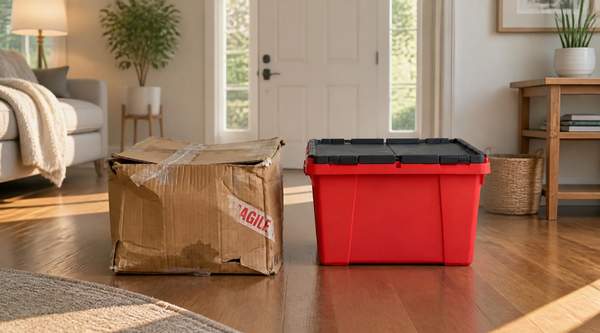
    Once you've identified an item to remove, it needs a place to go that isn’t back in your closet or on your shelf. Create a dedicated holding area for these items. This could be a sturdy bag in your closet, a basket by the door, or a box in your garage. This 'out' zone is a physical reminder of your progress and prevents items from being second-guessed and re-absorbed into your home. A place for everything includes a place for things on their way out.

  5. Step 5: Schedule Regular Removal Trips

    Your 'out' zone can quickly become a new source of clutter if you don't empty it regularly. To avoid this, schedule a recurring time to take your items to a donation center, sell them, or dispose of them properly. You could set a reminder on your phone for the first Saturday of every month or make it part of your weekly errands. Making removal a firm part of your schedule ensures the clutter actually leaves your home for good.
Benefits of Adopting the One In, One Out Habit

Integrating this rule into your life offers more than just a tidier home. It cultivates a more mindful and intentional relationship with your belongings, which can reduce stress and simplify your daily routines. Here are some of the key benefits you can expect.

  • It Prevents Clutter Accumulation. This is the most obvious benefit. The rule directly addresses the imbalance between items coming in and items going out. According to freshspacecleaning.com, it effectively "nips clutter in the bud" at the moment a new item is introduced, making those massive, time-consuming decluttering sessions a thing of the past.
  • It Promotes Mindful Shopping. The rule forces you to pause and think before you buy. You must consider what you are willing to part with to make space for the new item. This simple consideration can stop impulse purchases in their tracks and helps you become a more intentional consumer, focusing on what you truly need and love.
  • It Maintains a Comfortable Equilibrium. Once you've decluttered your home to a level that feels good to you, the one in, one out rule helps you maintain it effortlessly. It acts as a stopgap measure that limits your total number of possessions, ensuring your space doesn't become overstuffed again.
  • It Simplifies Decision-Making. By limiting the number of items in any given category, you reduce decision fatigue. Getting dressed is faster with a curated wardrobe. Finding a coffee mug is easier when your cabinet isn't packed to the brim. This saved time and mental energy can be used for more important things.

Common Challenges and Solutions for the One In, One Out Method

While the rule is simple in theory, putting it into practice can come with a few hurdles. Being aware of these common pitfalls can help you stick with the habit for the long term. Here are some challenges you might face and how to solve them.

  • Challenge: Forgetting to remove an item. It’s easy to get excited about a new purchase and completely forget the "out" part of the rule.Solution: Create a physical link. When you get home, place your new item directly on top of the old item you plan to remove. Don't put the new shirt in your drawer until the old one is in the donation bag. This visual cue makes the process harder to ignore.
  • Challenge: The 'out' box becomes permanent clutter. Your donation bin sits by the door for weeks, or even months, creating its own mess.Solution: Put it on the calendar. As mentioned in the steps, schedule your drop-off trips. Treat it like any other important appointment. If you drive to work, keep the box in your car so you can drop it off on your way home.
  • Challenge: Dealing with gifts and sentimental items. It can feel difficult or guilt-inducing to apply the rule to a gift from a loved one.Solution: Give yourself grace and set your own rules. You can decide that gifts are an exception. Or, you can choose to let go of a different, less-sentimental item from the same category to make space. Remember, the goal is to control clutter, not to create rigid rules that cause you stress.
  • Challenge: Feeling overwhelmed by starting. The thought of applying this to every single thing you own can be paralyzing.Solution: Start with one, easy category. Choose something with low emotional attachment, like kitchen utensils or cleaning supplies. Success in one small area will build your confidence and motivation to apply the rule to other parts of your home, like your closet or bookshelf.

Advanced Tips and Key Variations of the Rule

After mastering the basic one-in, one-out principle, you can adapt it for specific goals. Several variations exist to actively reduce clutter or foster a minimalist mindset.

For those in an active decluttering phase, the 'One In, Two Out' method can be highly effective. As described in an article from Homes & Gardens, this technique involves removing two items for every one new item you bring home. This not only stops accumulation but actively reduces your overall number of possessions. Some people take this even further with a 'One In, Three Out' rule, which can rapidly clear out excess. Another variation, reported by some users on Facebook, is the 'One Out, None In' rule, where items are only replaced when they are broken beyond repair, representing a true maintenance mode for minimalists.

These advanced methods also have a psychological benefit. Expert Tracy McCubbin suggests in Homes & Gardens that forcing yourself to find two items to discard makes the task larger. This extra effort can "take away the dopamine hit that the purchase gives you," which may de-incentivize the purchase altogether. It shifts your focus toward curation rather than consumption. Similarly, organizer Ben Soreff advises focusing on quality and asking yourself why you are buying something. This helps you determine if a purchase fills a genuine need or is simply "retail therapy," which can lead to collecting things you don't actually use.

Frequently Asked Questions

What if I'm trying to actively declutter, not just maintain my space?

The standard one-in, one-out rule is best for maintenance. To reduce your total number of items, try a more aggressive variation. The 'One In, Two Out' method, where two items leave for every one that enters, is a popular choice. This ensures your total inventory constantly shrinks, accelerating your decluttering goals.

Do the 'in' and 'out' items have to be exactly the same?

They don't have to be identical, but the rule is most effective when they belong to the same category. A key step is to define 'similar' for yourself. For example, if you buy a new decorative pillow, you should let go of an old one, not a kitchen spatula. This keeps individual categories from becoming overstuffed and helps you maintain balance throughout your home.

Is this rule good for every type of item in my home?

This rule is designed for possessions you tend to accumulate, such as clothes, shoes, books, accessories, toys, and kitchen gadgets. It is not meant for consumable items like food, toiletries, or cleaning products that are used up and replaced as part of a normal routine. The focus is on managing your inventory of lasting goods.

How should I handle items I receive as gifts?

When receiving gifts, you have flexibility: either make them an exception, or, to strictly maintain your space, apply the rule by replacing another item from the same category. You don't have to discard the gift itself; instead, choose an existing item you love less to make room. Consistency with your personal guidelines is paramount.

The Bottom Line

The one-in, one-out decluttering rule shifts from reactive, overwhelming purges to proactive, everyday maintenance. It helps you become a thoughtful curator of your home, ensuring every item is truly needed, used, or loved. Your next step is to pick just one small category—like your sock drawer or coffee mugs—and commit to trying the rule for one month. This single habit can bring notable peace and control.