If you're looking for creative ways to incorporate biophilic design into your home, this guide breaks down eight methods for creating a calming, nature-inspired aesthetic. Biophilic design is an approach that seeks to connect us more closely to nature within our built environments. For anyone feeling the strain of a fast-paced, screen-filled life, these ideas offer a path toward a more serene and restorative living space. This list is for homeowners and renters alike, ranking ideas from the simplest decor updates to more involved architectural integrations, evaluated on accessibility, cost, and overall impact.
This list was ranked based on accessibility, evaluating each method on its relative cost, effort, and potential impact on creating a nature-connected home.
8. Optimize Natural and Artificial Light — The Foundational First Step
Imagine the soft, warm glow of late afternoon sun filtering through a window, casting long shadows and creating an instant sense of peace. Harnessing light is the most fundamental and impactful way to begin your biophilic journey. According to a report from Hello! Magazine, maximizing natural light and swapping cool-toned artificial bulbs for warmer ones can transform a room, making it feel more cozy and inviting. This approach is less about adding new things and more about enhancing what you already have, making it the perfect starting point for anyone new to conscious design.
This method is best for renters or those on a strict budget who want an immediate, tangible change in their home's atmosphere. It ranks above simply adding a plant because it affects the entire perception of a space, day and night. The primary drawback is that you are ultimately limited by your home's existing architecture; you can't add windows, but you can ensure the ones you have are unobstructed by heavy drapery or poorly placed furniture. Start by cleaning your windows, pulling back curtains, and strategically placing mirrors to bounce light into darker corners. In the evening, layer your lighting with dimmable, warm-toned (2700K) lamps to mimic the gentle light of a sunset or campfire.
7. Declutter for Visual Calm — The 'Slow Living' Essential
Before you can bring the calm of nature in, you must first quiet the visual noise within. Psychologist Samar Cajal, cited in Hello! Magazine, suggests that 'slow living' involves creating spaces that allow us to live more calmly. A key step in this process is consciously clearing out objects that do not serve a purpose or bring you joy. This isn't about stark, cold minimalism, but about intentionality. Think of it as creating negative space, much like the quiet clearings you find in a forest, which allow the standout elements—a beautiful piece of wooden furniture, a vibrant plant—to truly shine.
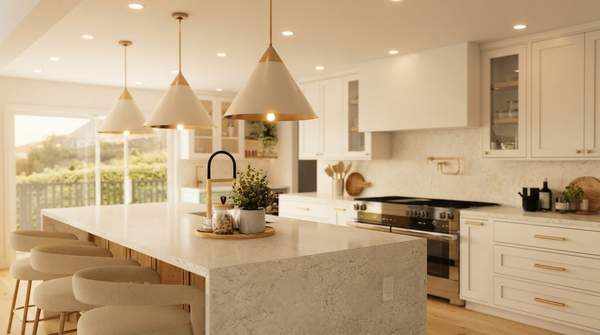
This strategy is ideal for individuals who feel overwhelmed or distracted in their own homes and crave a sense of order and tranquility. It ranks higher than more complex decor changes because it costs nothing but time and provides a powerful psychological reset. By removing excess, you create a backdrop that allows natural elements to have a greater impact. The main limitation is that it requires a significant initial effort and, more importantly, a long-term commitment to mindful consumption to prevent clutter from returning. The goal is to make your home a sanctuary where your mind can rest, unburdened by disorganized surroundings.
6. Introduce Natural Textiles and Materials — The Tactile Connection
Connecting with nature is a sensory experience, and touch is a powerful part of that. Swapping synthetic materials for natural ones provides a tangible link to the outdoors. Hello! Magazine reports that using materials like wood, linen, other natural textiles, and ceramics can create an immediate sense of calm. This can be as simple as trading polyester cushions for linen or cotton covers, laying down a jute or wool rug, or displaying pottery and wooden decor. These materials not only feel better to the touch but also possess a visual warmth and subtle imperfection that mass-produced items lack.
This approach is perfect for the home decorator who enjoys changing their space with the seasons and wants to build a layered, textured environment. It offers a more profound connection than lighting or decluttering alone because it engages the sense of touch. Consider the design of a villa in Goa, which Architectural Digest India notes uses natural stone, cane, and mango wood to bring the outdoors in. The drawback is cost and care; high-quality natural fibers and solid wood can be more expensive and may require more specialized maintenance than their synthetic counterparts. However, their durability and the sense of authenticity they bring are often worth the investment.
5. Cultivate an Indoor Garden — The Living Element
The most literal way to bring the outdoors in is with living plants. Houseplants are the cornerstone of biophilic design, acting as natural air purifiers, humidifiers, and living sculptures. The practice is scientifically reported to lower stress levels and improve well-being, according to Hello! Magazine. Beyond a few pots on a windowsill, consider creating plant "moments"—a cluster of varied species in a corner to create a mini-jungle, a trailing pothos on a high shelf to draw the eye upward, or a collection of small succulents on a coffee table. The key is to integrate them thoughtfully into your decor, not just add them as an afterthought.
Indoor plants offer a dynamic, evolving connection to nature, unlike static materials. They require light, water, and care, a responsibility that can be frustrating if the wrong plants are chosen for your environment or lifestyle. Begin with low-maintenance options like snake plants, ZZ plants, or pothos to build confidence before moving to more demanding species.
4. Use a Nature-Inspired Color Palette — The Visual Foundation
Color has a profound effect on our mood, and a biophilic palette grounds a space in the hues of the natural world. Move beyond basic beige and think about the complex, muted tones found in nature: the soft grays of river stones, the deep greens of a forest canopy, the warm terracotta of clay soil, and the sandy whites of a coastline. A Brutalist holiday home in Surat, featured in Architectural Digest India, exemplifies this by using a natural palette procured locally to create a deep sense of place. Using these colors on your walls and in your large furnishings creates a cohesive, calming canvas.
Painting walls offers a foundational refresh, setting a room's entire mood, unlike adding accessories. For guidance on color interaction, explore our guide on how to use color theory in interior design. The primary limitation is commitment: painting is labor-intensive, and choosing the right shade can be daunting. Always test colors on walls in different lighting conditions before committing to a full room.
3. Create Indoor-Outdoor Transitional Spaces — The Seamless Connection
Blurring the line between inside and out is a sophisticated biophilic strategy that makes a home feel larger and more connected to its environment. This involves designing spaces that flow seamlessly from the interior to a patio, balcony, or garden. Aamir Ali’s 3,800-square-foot villa in Goa, for example, incorporates lush courtyards and a breezy terrace den to dissolve the boundaries between the built and natural worlds. On a smaller scale, this could mean installing large glass doors, using the same flooring material inside and out, or arranging furniture to face a view.
Homeowners with outdoor access can maximize their connection to nature by creating functional, beautiful extensions of their living area. This approach fundamentally alters the home experience, proving more impactful than simple decorating. While potential costs and renovations can be significant—from removing a wall for a glass door to creating a well-appointed balcony seating area—the goal is to make stepping outside feel like moving into another room.
2. Install a Living Wall or Green Facade — The Architectural Statement
For a truly immersive experience, a living wall or green facade transforms a surface into a vertical garden. This is a powerful statement piece that brings the lushness of nature indoors on a grand scale. An example of this is the Living Grid House in Singapore, which Dwell highlights for its dynamic screen filled with planters. This feature provides shade, privacy, and a constant, living connection with nature for the home's inhabitants. These systems can range from simple felt pockets mounted on a wall to complex, self-irrigating hydroponic installations.
For design-forward homeowners seeking a bold, lasting biophilic commitment, living walls transform architectural elements into living features, surpassing simple indoor gardens. Primary limitations include high installation costs and significant maintenance, as these systems require specialized irrigation, lighting, and more complex plant care than individual pots. This project demands careful planning and a dedicated budget but offers unparalleled visual and environmental rewards.
1. Integrate Water Features Architecturally — The Ultimate Sensory Element
Integrating a water feature directly into a home's architecture is an ambitious and rewarding expression of biophilic design, moving beyond a simple tabletop fountain to make water a core living experience. Dwell describes Singapore's Sky Pool House, where a glass cut-out in a top-floor swimming pool allows dappled light and water's visual presence to filter down, creating a mesmerizing, ever-changing play of light and shadow on lower levels.
Architectural water features, an advanced concept, suit new builds or major renovations with an architect's help. They offer a complex, multisensory, and restorative biophilic integration, distinct from living walls due to their unique sensory qualities. Drawbacks include immense cost, structural complexity, and ongoing maintenance. This engineering and design feat, not a weekend project, creates a truly unique and tranquil environment when successful.
| Method | Category/Type | Estimated Cost & Effort | Best For |
|---|---|---|---|
| Optimize Natural and Artificial Light | Atmosphere & Lighting | Low Cost / Low Effort | Renters and those on a tight budget. |
| Declutter for Visual Calm | Organization & Lifestyle | No Cost / Moderate Effort | Anyone feeling overwhelmed by their surroundings. |
| Introduce Natural Textiles and Materials | Decor & Furnishings | Low to Moderate Cost / Low Effort | Decorators who want a tactile connection to nature. |
| Cultivate an Indoor Garden | Living Decor | Low to Moderate Cost / Ongoing Effort | Nurturers who want a dynamic, living element in their home. |
| Use a Nature-Inspired Color Palette | Interior Design | Moderate Cost / High Effort | Those planning a room refresh or new design. |
| Create Indoor-Outdoor Transitional Spaces | Renovation & Layout | High Cost / High Effort | Homeowners with outdoor access looking for seamless flow. |
| Install a Living Wall or Green Facade | Architectural Feature | Very High Cost / High Effort & Maintenance | Design-forward homeowners making a bold statement. |
| Integrate Water Features Architecturally | Structural Design | Extremely High Cost / Very High Effort | Those undertaking a new build or major architectural renovation. |
How We Chose This List
This list of biophilic design ideas offers a diverse range of actionable strategies, ranked by accessibility from low-cost, low-commitment changes to significant, architectural investments. We prioritized strategies with direct sensory or psychological impact, such as natural linen's tactile quality or an uncluttered space's visual calm. Excluding specific product recommendations, we focused on underlying design concepts adaptable to personal style and budget. Selections were informed by design principles from Hello! Magazine and project examples from Architectural Digest India and Dwell.
The Bottom Line
To begin incorporating biophilic design, optimize light and introduce natural textiles for immediate, calming results. For deeper investment, creating transitional indoor-outdoor spaces offers the most transformative and functional connection to the natural world.