The Scout Regalia SR Wall Rack, a mere 2.5 inches deep, can hold up to 50 pounds when mounted on drywall, proving that even the slimmest solutions offer robust storage. The New York Times reports this impressive capacity. This allows you to store heavier items like books or tools without them protruding far into your living area, making your small space feel larger and more organized.
Many believe small spaces inherently mean limited storage, forcing a choice between functionality and an uncluttered look. This common misconception often leads to frustration and missed opportunities.
Homeowners and renters in compact environments can transform their living areas into highly functional, aesthetically pleasing spaces by adopting a vertical-first, flexible storage mindset.
Maximizing Vertical Space: The Foundation of Small-Space Organization
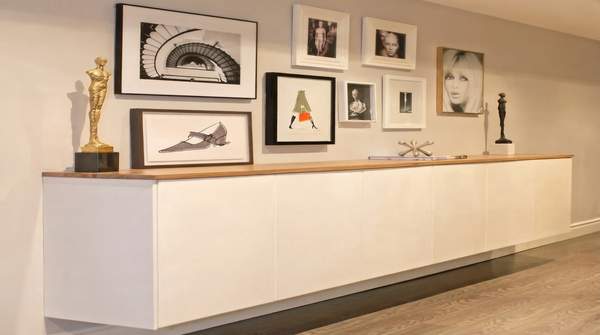
Using wall space is a key strategy for decluttering and organizing small entryways, according to The New York Times. This approach transforms cluttered areas into functional zones by shifting items off the floor and surfaces, creating an illusion of spaciousness. The minimal depth of modern wall-mounted storage, often just 2.5 to 5 inches, offers surprising load-bearing capacity. This means you can reclaim valuable floor space while still storing essentials securely.
Smart Solutions for Every Nook
The Most Modest Walter shelf protrudes only 5 inches from the wall and is available in lengths of 11, 22, and 36 inches, as noted by The New York Times. These examples confirm that effective storage doesn't require significant protrusion into living areas. Instead, stylish and functional solutions exist for everyday items. Homeowners no longer need to sacrifice precious floor space for robust storage; discreet wall-mounted options offer surprising strength.
Don't Overlook These Hidden Storage Gems
Awkward spaces above windows and doors can be turned into storage spots, as suggested by Ikea. Ignoring these less obvious areas means missing valuable square footage. By leveraging previously ignored architectural features with slim, purpose-built shelves, residents can unlock significant, often-free storage potential. This transforms overlooked limitations into powerful assets for an organized home.