Mold is a common household issue that can impact your home's structure and your family's health. As a type of fungus, mold thrives in damp environments, reproducing by releasing spores that can spread through air and water. Understanding how mold grows, its potential health implications, and practical steps for prevention and removal can empower you to manage infestations effectively and safely. This guide provides actionable steps for identifying mold, preventing its growth, and safely removing small infestations, along with a clear framework for when to call in professionals.
Understanding Household Mold: What It Is and How It Grows
Mold is a natural part of the environment, but when it grows indoors, it can become a significant problem. These fungi reproduce by releasing microscopic spores that are ubiquitous, meaning they are present everywhere, including inside your home. Mold spores can travel through the air, water, or even on animals, and they only need sufficient moisture to begin growing on almost any surface, explains the New York State Department of Health.
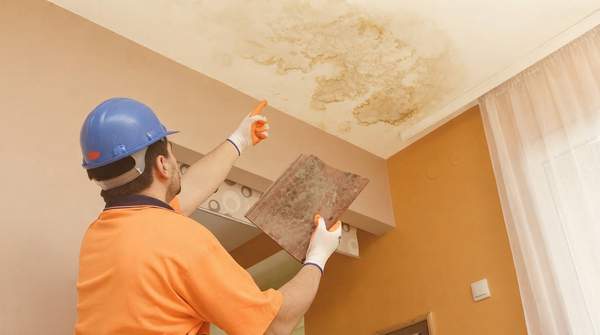
The key to mold growth is excessive moisture. Common indoor molds include Cladosporium, Penicillium, and Aspergillus, which can appear fuzzy or slimy and come in various colors like black, white, green, or orange. A musty odor is often a strong indicator of mold, even if it's not visible. The Harvard Health publication notes that water damage is the number one cause of mold growth. Common sources of excess moisture that lead to mold include leaky roofs, pipes, or walls, as well as areas affected by flooding or even overflowing plant pots. Other culprits include leaky pipes and faucets, inadequate use of exhaust fans in bathrooms and kitchens, issues with air conditioning systems, clogged gutters, and poor water drainage around your home's foundation, according to a CAES Field Report. Addressing the source of moisture is the most critical step in preventing and remediating mold growth, as recurrence is likely if the moisture problem is not resolved.
Health Risks Associated with Mold Exposure
Exposure to damp and moldy environments can lead to a variety of health effects, though some people may experience no symptoms at all. For many, mold exposure can cause symptoms such as a stuffy nose, sore throat, coughing, wheezing, burning eyes, or skin rash. Individuals with asthma or allergies to mold may experience more severe reactions, including asthma attacks. People with compromised immune systems or chronic lung diseases are particularly vulnerable, as mold can lead to lung infections, notes CDC guidance.
It's important to note that the specific type of mold generally does not need to be identified for effective removal. The CDC advises that all molds should be treated similarly regarding health risks and cleanup procedures. Therefore, if you see or smell mold, the best course of action is to remove it, rather than attempting to identify its species through costly and often unnecessary testing. The New York State Department of Health also states that mold testing is not recommended or required by regulatory agencies, and can be more expensive than simply cleaning and repairing the water problems that allow mold to grow.