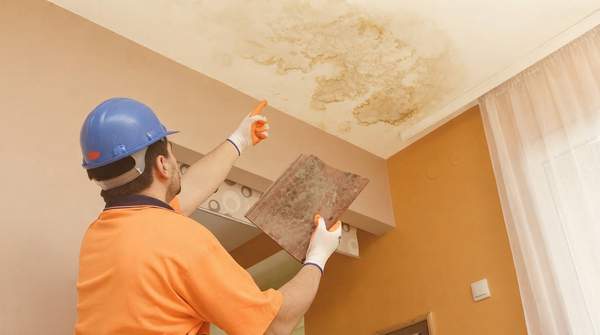
Last year, insurance claims for water damage from burst pipes in Seattle surged by 18%, costing homeowners an average of $15,000 per incident. signaling a widespread plumbing crisis.
Many Seattle homeowners prioritize cosmetic renovations, but the underlying aging plumbing infrastructure poses a greater, often unseen, financial risk. overlooking critical system vulnerabilities, especially for those needing to update aging bathrooms and plumbing in 2026.
Without proactive intervention, Seattle homeowners are increasingly likely to face significant and expensive plumbing failures. Over 65% of Seattle's residential buildings were constructed before 1980, meaning their plumbing systems are at least 40 years old, according to the Seattle Department of Construction & Inspections. Emergency plumbing repair costs in Seattle have also risen significantly in recent years.
The Hidden Costs of Aging Infrastructure
Many older Seattle homes still use galvanized steel or cast iron pipes, prone to rust, leaks, and blockages, according to the Master Plumbers of Seattle. With an average lifespan of 50-70 years, many homes are past this threshold, according to Plumbing Manufacturers International. Replacing a main water line can cost upwards of $10,000 due to excavation and city permit requirements, according to Seattle Utility Contractors.
Despite these risks, few Seattle homeowners with older homes have had a comprehensive plumbing inspection in the last decade. Many homeowners prioritize cosmetic remodels, overlooking critical plumbing inspections. which creates a dangerous disconnect, leaving underlying issues unaddressed and homeowners vulnerable to costly failures.
Why the Problem is Accelerating Now
Hard water in the Puget Sound region accelerates mineral buildup and corrosion in pipes, reducing their lifespan by up to 15%, according to a University of Washington Environmental Engineering Study. Minor seismic activity also stresses older, brittle pipes, causing hairline cracks and slow leaks, as noted by a Pacific Northwest Seismic Network Analysis.
A surge in demand for plumbing services has led to longer wait times for non-emergency repairs, sometimes exceeding two weeks, according to Local Plumbing Companies. Longer wait times for non-emergency repairs, sometimes exceeding two weeks, allow minor issues to escalate. Furthermore, deferred maintenance on private plumbing significantly strains municipal wastewater systems, according to a Seattle Public Utilities Report.