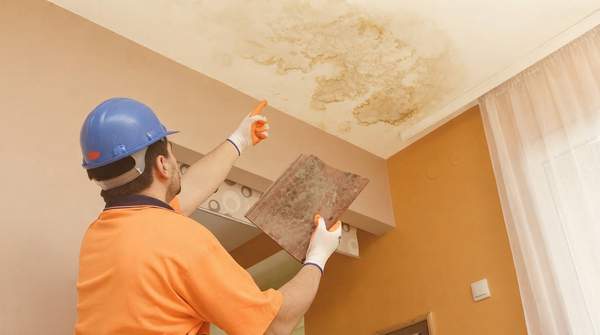
Regular home maintenance is a crucial practice for preserving your property's value and ensuring it remains a safe, comfortable shelter. According to the National Association of Home Builders, taking care of your home with consistent upkeep is necessary to protect your investment for years to come. A seasonal approach transforms this responsibility from a daunting list of chores into a manageable, year-round plan. By aligning tasks with the changing seasons, you can proactively address potential issues before they escalate into costly repairs, from preventing winter water damage to improving summer energy efficiency. This methodical strategy not only extends the life of your home’s essential systems and materials but also provides invaluable peace of mind.
Your Prioritized Seasonal Home Maintenance Checklist
This checklist organizes essential home maintenance tasks by season and their primary purpose, helping you focus on what matters most at the right time. It is designed to help you distinguish between critical jobs that prevent major damage—like burst pipes or a failing furnace—and routine tasks that improve your home's efficiency, safety, and comfort. Use this guide to plan your year, ensuring that key preventative measures are taken before seasonal weather puts your home to the test.
| Season | Task Category | Key Task | Purpose & Benefit |
|---|---|---|---|
| Spring | HVAC & Energy Efficiency | Clean refrigerator coils. | Improves cooling efficiency and extends the appliance's life. |
| Spring | Exterior & Structural | Inspect the roof for damaged shingles or ice dams. | Addresses winter damage early to prevent leaks and more significant structural issues. |
| Summer | Safety & Security | Test smoke and carbon monoxide detectors. | Ensures these critical life-saving devices are functioning correctly. |
| Summer | Safety & Security | Check GFCI outlets. | Verifies that ground fault circuit interrupters, which prevent electric shock, are working. |
| Summer | Water Damage Prevention | Flush the water heater. | Removes sediment buildup, which improves efficiency and helps prevent corrosion and leaks. |
| Fall | Exterior & Structural | Clean gutters and downspouts. | Prevents water damage and roof issues by ensuring rain and melting snow can drain properly. |
| Fall | Water Damage Prevention | Shut off exterior faucets and winterize sprinkler systems. | Prevents pipes from freezing and bursting during cold weather. |
| Fall | HVAC & Energy Efficiency | Schedule a professional HVAC system inspection. | Ensures your heating system is safe and efficient before you rely on it for winter. |
| Winter | HVAC & Energy Efficiency | Change furnace and HVAC air filters. | Improves indoor air quality and helps your heating system run more efficiently. |
| Winter | Appliance Maintenance | Clean the dishwasher filter and interior. | Prevents buildup and odors, ensuring the appliance runs effectively. |
Spring: Reset and Prepare for Warmer Weather
As winter recedes, spring maintenance focuses on repairing any damage inflicted by cold, ice, and snow while preparing your home for the warmer months ahead. This is the ideal time for a thorough inspection of your home's exterior and a deep clean of its interior systems. Begin by examining your roof, as the National Association of Home Builders suggests checking for shingles damaged by winter storms and looking for signs of ice dams, which can cause significant water damage if left unaddressed.
Inside, turn your attention to major appliances. Gently cleaning the dust and debris from your refrigerator’s coils can significantly improve its cooling efficiency and extend its operational life. Spring is also a perfect time for safety checks that may have been overlooked. Replace the batteries in all smoke and carbon monoxide detectors, even if they aren't beeping. This simple, proactive step ensures your first line of defense in an emergency is fully functional. Finally, a comprehensive deep clean of the entire house—including windows, basements, and hard-to-reach corners—prevents the long-term buildup of grime and helps you spot any potential issues like leaks or pests early.
Summer: Safety, Efficiency, and Preventing Damage
With higher temperatures and increased use of cooling systems, summer maintenance prioritizes safety, energy efficiency, and water management. According to CPI Security, this season is a crucial time to test all home safety and security systems. This includes not only smoke and CO detectors but also fire extinguishers and ground fault circuit interrupter (GFCI) outlets, which are designed to prevent electric shock in areas near water. A few minutes spent testing these devices can ensure your family's safety throughout the year.
Your air conditioning unit will be working its hardest during the summer. To ensure it runs efficiently, regular maintenance is key. Finex CU notes that an air conditioner's filters, coils, and fins require attention for the unit to function effectively. Neglecting this can lead to poor performance and a noticeable increase in energy consumption. Another vital task is to flush your water heater. This process removes mineral and corrosion buildup from the tank, which, as Jeremy Anderberg writes for The Art of Manliness, safeguards against leaks and helps the unit heat water more efficiently. On the exterior, take time to inspect and clean your home's siding, deck, and patio to address any needed repairs and maintain your property's value and curb appeal.
Fall: Winterization and Exterior Preparation
Autumn is arguably the most critical season for preventative maintenance, as the tasks performed now will protect your home from the harsh conditions of winter. The primary goals are to prevent water damage from ice and freezing temperatures and to ensure your heating system is safe and reliable. The most important exterior task is to clean your gutters and downspouts after most of the leaves have fallen. Both Finex CU and CPI Security highlight this task, as clogged gutters can cause water to back up, potentially leading to expensive roof damage, ice dams, and foundation issues.
Preparing your plumbing for freezing temperatures is another non-negotiable fall task. Finex CU advises shutting off all exterior sprinklers and faucets and adding insulating covers to prevent pipes from bursting. Inside, the focus shifts to your heating system. Before the cold weather sets in, it is essential to have your furnace and air ducts professionally inspected. This annual preventative maintenance helps ensure your HVAC system is in top shape, which can lower heating costs and identify safety hazards like carbon monoxide leaks. Finally, inspect your windows and doors for drafts. Sealing any cracks or gaps with caulk or weatherstripping is a simple, effective way to improve your home's energy efficiency and comfort all winter long.
Winter: Indoor Focus and Ongoing Safety
With the home's exterior prepared for the elements, winter maintenance shifts indoors, concentrating on air quality, appliance upkeep, and ongoing safety monitoring. Your heating system is in constant use during these months, making regular filter checks paramount. The National Association of Home Builders recommends ensuring your furnace filter is clean to remove dirt and dust from the air. A clogged filter restricts airflow, forcing the system to work harder, which reduces efficiency and can lead to mechanical failures.
While you are spending more time inside, it is a good opportunity to perform simple monthly maintenance on your appliances. For example, cleaning your dishwasher can prevent the buildup of food particles and soap scum that may cause unpleasant odors. Finex CU suggests a DIY solution: place a dishwasher-safe bowl with one cup of white vinegar on the top rack of an empty dishwasher and run it on the hottest cycle. This helps dissolve grime and keep the appliance running smoothly. Continue to test your smoke and carbon monoxide detectors monthly, as indoor heating systems are a primary source of potential carbon monoxide leaks.
DIY vs. Professional: Knowing When to Call an Expert
Effective home maintenance involves knowing which tasks you can safely handle yourself and which ones require the expertise of a qualified professional. This distinction is crucial for ensuring jobs are done correctly, safely, and without causing more expensive problems. Many routine tasks are well-suited for a DIY approach, saving you money and giving you a better understanding of your home's systems.
Common DIY-friendly tasks include changing HVAC air filters, testing smoke and CO detectors, and cleaning out gutters and downspouts (with proper ladder safety). Appliance maintenance, such as cleaning refrigerator coils or flushing a water heater, is also typically manageable for homeowners. However, certain jobs carry significant risks or require specialized tools and knowledge. For these, hiring a professional is the wisest choice. For instance, both CPI Security and Finex CU recommend scheduling a professional to inspect your heating system annually. A qualified technician can spot safety issues and perform tune-ups that improve efficiency.
Similarly, the National Association of Home Builders advises having a qualified roofer inspect your roof and skylights every three years to identify subtle damage that could lead to major leaks. If you have a fireplace, a professional inspection is essential to ensure it is safe to use before winter.
Proactive Home Care: A Foundation for Lasting Value
Implement a consistent seasonal home maintenance schedule to protect your investment and ensure a safe, efficient living environment. By adopting a proactive mindset and following a structured checklist, you can shift from reacting to unexpected problems to preventing them from occurring in the first place. This disciplined approach is fundamental to preserving your home's value and enhancing your family's comfort and safety throughout the year.
The benefits of this diligence are tangible and significant. A well-maintained home is more energy-efficient, leading to lower utility bills. It is also safer, with regularly tested safety systems and properly functioning heating and electrical components. Ultimately, the most valuable outcome is the reduced incidence of unexpected home repairs, consistent functionality of home systems and appliances, and the peace of mind that comes from knowing your home is in top shape.