A small ceiling stain after rain can be easy to dismiss, particularly if it dries out and does not return straight away. Yet water entering through a roof can travel before it becomes visible indoors, and the source may be some distance from the stain. Promptly investigating a leak can help homeowners understand the cause, limit further damage and decide what repair work is needed.
All Burns Roofing provides roof leak repairs, general roof repairs and metal roofing services in the Sutherland Shire and surrounding Sydney areas. Knowing what to look for, what to do when water appears, and what to ask a roofing contractor can make the repair process more straightforward.
Common Signs of a Roof Leak
A leak is not always a steady drip from the ceiling. Early signs may include brown or yellow stains, bubbling or peeling paint, damp plasterboard, mould-like smells, or patches that appear after heavy rain. You may also notice moisture around a skylight, chimney, vent or the point where an extension joins the original building.
Outside, visible warning signs can include displaced roofing sheets, damaged flashing, loose or missing fasteners, deteriorated seals, blocked gutters or downpipes, and debris that has affected the roof.
Do not climb onto the roof to look for the source. Roof surfaces can be slippery, fragile or unsafe to access, particularly after rain. Observe from the ground where possible, and take photographs of indoor signs if doing so is safe.
What Can Cause a Roof to Leak?
Damaged roofing sheets or tiles
A roof covering may be cracked, displaced, corroded, punctured or otherwise damaged. Strong winds, falling branches, age and general wear can all contribute. Even when the visible damage appears small, water may enter beneath the surface and affect surrounding materials.
Flashings and roof junctions
Flashings help direct water away from joints and transitions, including areas around walls, chimneys, vents and other roof penetrations. If flashing is damaged, poorly fitted or deteriorated, water may find a path into the roof space. These junctions can be difficult to assess from the ground, which is one reason professional inspection is useful.
Fasteners and seals
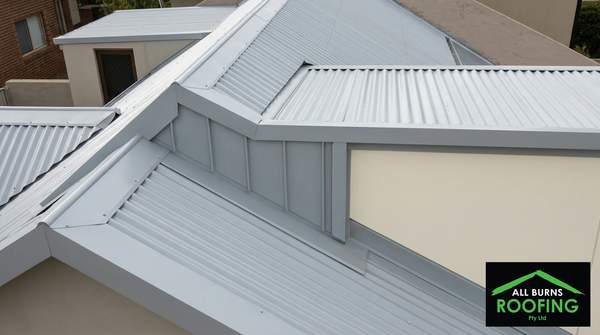
Metal roofing systems rely on suitable fixings and correctly detailed junctions. Depending on the roof design and condition, loose fasteners, worn seals or deteriorating components can contribute to water ingress. The appropriate repair depends on the roofing system and the specific fault; simply applying sealant over a visible area may not address the underlying cause.
Gutters and drainage problems
Blocked or damaged gutters and downpipes can prevent rainwater from draining as intended. Overflowing water may affect fascia boards, eaves or adjoining building surfaces, while poorly functioning drainage can make an existing roof problem harder to manage. Not every gutter overflow is a roof leak, so the source should be identified before work is specified.
Ageing materials and previous repairs
As a roof ages, different components may deteriorate at different rates. Earlier repairs can also fail if the original cause was not fully addressed or if surrounding materials have continued to wear. Repeated leaks may therefore call for a broader assessment rather than another isolated patch.
What Should You Do When You Discover a Leak?
First, prioritise safety. Keep away from wet electrical fittings and do not touch electrical equipment that may have been exposed to water. If water is near lights, power points or wiring, avoid the affected area and contact a licensed electrician or emergency service as appropriate. If it is safe to do so, move furniture and belongings away from the leak and use a container to catch dripping water.
If the ceiling is bulging, sagging or appears at risk of collapse, keep people out of the area. Do not puncture the ceiling or attempt a repair yourself. Seek urgent professional advice, especially if water is entering rapidly or the damage is extensive.
Arrange an inspection with a roofing professional. Avoid walking on the roof or using ladders to investigate a suspected leak, particularly in wet or windy conditions. Temporary measures can be dangerous when attempted without the right training and equipment.
Why Finding the Source Matters
The point where water becomes visible indoors is not necessarily the point where it enters the roof. Water can move along roof framing, under roofing materials or across other surfaces before reaching a ceiling. A contractor may need to inspect several possible entry points, including flashings, roof penetrations, gutters and the condition of the roofing itself.
A repair that addresses only the visible stain may leave the source unresolved. Equally, replacing a large section of roofing without establishing the cause may be unnecessary. A useful assessment should explain the likely entry point, the evidence supporting that conclusion, the work required and any areas that could not be inspected.
When Is a Repair Enough, and When Is Replacement Worth Considering?
A localised defect may be repairable when the surrounding roofing and components remain in good condition. For example, a specific damaged section or a problem with a flashing may be addressed without replacing the entire roof, depending on the system and the extent of the damage.
A more comprehensive solution may be worth discussing if leaks recur in different locations, roofing materials show widespread deterioration, or several components are nearing the end of their serviceable life. The roof's age, design, previous repair history, access requirements and your longer-term plans for the property will all affect the decision.
Ask for a written quote that describes the proposed work, materials, relevant exclusions and any conditions that could affect the final scope. If a replacement is recommended, ask why the existing roof cannot reasonably be repaired and whether there are viable alternatives. You can then compare the options with a clearer understanding of their purpose and limitations.
Roof Leaks, Gutters and Metal Roofing in the Sutherland Shire
Roofing problems can involve more than the roof covering itself. Flashings, cappings, gutters and downpipes all contribute to how a building manages rainwater. When several components are showing signs of wear, it may be useful to assess them together and determine which work is necessary now.
All Burns Roofing lists roof leak repairs, roof repairs, metal roofing, roof replacement, guttering, downpipes, flashings and cappings among its services. The company also lists tile-to-metal conversions and related roofing work. Its website promotes free quotes for prospective customers in its service areas.
If you have noticed a leak, explain where the signs appear, when they occur and whether the problem has returned after previous work. This gives the contractor a useful starting point for discussing inspection and repair options. The scope of any work should be based on the property's condition and the findings of the assessment.
Choose a Practical Next Step
Roof leaks can have several causes, and a visible stain rarely tells the whole story. Acting promptly, recording the signs and arranging a safe professional inspection can help you understand the issue before it develops further. Avoid roof access and do not disturb suspected asbestos-containing materials; these situations require appropriate professional handling.
For roof leak repairs or advice about a wider roofing issue in the Sutherland Shire, contact All Burns Roofing on 0438 256 308 to discuss your needs and request a free quote. A clear assessment can help you decide on a suitable repair and understand whether other roofing or drainage work should also be considered.