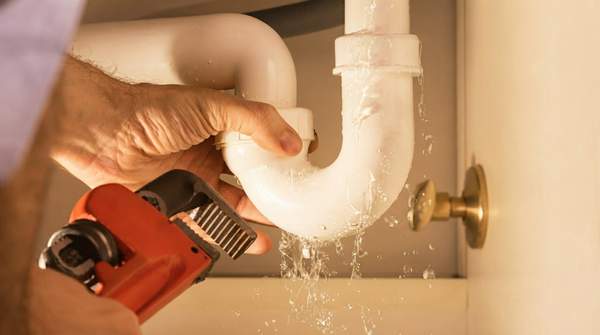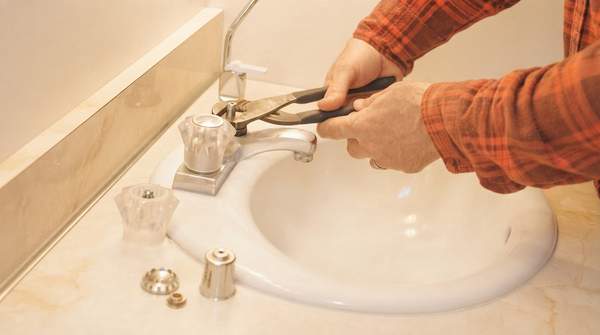
Most household water leaks announce themselves in one of three ways: a drip you can see, a sound you can hear, or a water bill that jumps without explanation. The practical approach is a process of elimination—confirm the leak exists, check the most common culprits first, and only then investigate hidden sources. Worn toilet flappers, dripping faucets, and other leaking valves are often easy to correct yourself with a few tools, according to the EPA's WaterSense program, so a systematic check can frequently save both a service call and ongoing water waste.
Confirming a Leak: Start with Your Water Meter
Before hunting for a drip, establish whether water is actually escaping. Water utilities like California Water Service recommend a simple meter test: turn off every faucet, appliance, and fixture in the house, then watch the meter's test hand. If it keeps moving, water is pushing through the meter even though nothing is running—strong evidence of a leak somewhere on your side of the system.
The meter test has an important limitation: it confirms that a leak exists, but it does not tell you where. Cal Water suggests pairing it with a walk-around, looking for wet spots that could indicate a leak in the pipe between the meter and the house or in a sprinkler system.
Keep in mind that a rising bill alone is not proof of a leak. Plumbing contractor guidance notes that seasonal water use, lawn irrigation, filling a swimming pool, or simply increased household consumption can all inflate a bill. The trigger for a leak investigation is a bill that rises while your usage habits haven't changed.