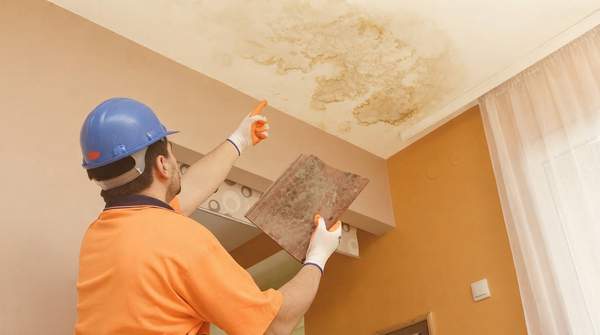
Overtightening a simple plumbing connection can crack a fitting, an error often missed for weeks. This hidden damage can then cause a catastrophic flood, costing thousands in repairs and disrupting lives.
Homeowners attempt DIY plumbing fixes to save money and time. Yet, minor errors often lead to far more expensive and disruptive damage later. A small investment in proper techniques and preventative measures prevents these future costs and headaches.
Smart water-leak detectors offer a crucial defense against insidious water damage. The D-Link Water Leak Sensor Starter Kit SW-A11KT is a top pick, and the Kidde Water Leak + Freeze Detector offers a reliable budget option, both according to The New York Times. PCMag also recommends the First Alert L1 for its easy installation and reasonable price. These devices provide immediate smartphone alerts, transforming passive monitoring into active protection. Their widespread availability empowers homeowners to safeguard properties proactively, moving from reactive damage control to preventive vigilance. This technology, while valuable, cannot correct underlying errors.
Why Precision Matters in Plumbing
The New York Times tested 15 smart water-leak detectors, showing the extensive scrutiny behind home maintenance tools. While these detectors offer a valuable safety net, they can create a false sense of security. Homeowners might continue making fundamental DIY errors that devices only detect, not prevent. The real challenge is preventing leaks, not just finding them. Even minor plumbing errors have significant, delayed consequences. The common impulse to 'just make it tighter' when sealing a connection is a ticking time bomb, according to Family Handyman. This trades immediate peace of mind for a guaranteed, delayed catastrophe, often leading to costlier professional interventions.
Mastering Basic Leak Repairs
Sealing IPS joints requires specific techniques for durability. Wrap Teflon tape three times clockwise around pipe threads, then apply pipe dope to the first three threads for a robust seal, advises Howcast. Screw an IPS nipple clockwise until snug, leaving about four threads exposed. Excessive force suggests damaged threads or a faulty fitting, also noted by Howcast. For emergency pipe leaks, epoxy paste offers a temporary fix, setting in 20-25 minutes, says Orr Plumbing. These precise instructions show DIY plumbing demands meticulous technique, not intuition. Ignoring these steps causes immediate leaks or insidious, delayed failures harder to trace.
Common Mistakes to Avoid
Overtightening supply tubes, pipes, fittings, and toilet bolts risks cracking the fitting itself. This can cause a flood weeks later, warns Family Handyman. Such delayed damage often disconnects the disaster from the initial 'fix.' Another error: wrapping PTFE thread tape counter-clockwise. This unwinds the tape as the fitting tightens, defeating its purpose, also emphasized by Family Handyman. These common DIY errors, from incorrect tape application to excessive force, undermine repairs or create new leaks. The delayed failure means homeowners often don't link the initial 'fix' to the eventual disaster, fostering false security and repeated mistakes. This cycle of quick, incorrect fixes leads to larger, costlier problems. Homeowners must realize minor procedural errors can negate a DIY repair, making the fix worse than doing nothing.
Leveraging Expert Knowledge
The New York Times guide tested an additional 15 smart water leak detectors, building on extensive evaluations. Thorough testing ensures reliable advice. Leveraging this expert knowledge means knowing when to call a professional, despite the temptation of DIY. Investing in quality tools and researching proper techniques prevents costly errors. Understanding pipe materials and joining requirements impacts repair longevity. Relying on verified instructions, not intuition, leads to secure, lasting solutions. This informed approach moves beyond simple detection to proactive prevention, protecting homes from widespread water damage.
Addressing Common Plumbing Questions
What are the most common plumbing leaks in a home?
Leaks often occur at faucets, under sinks from drain traps, around toilets, and from water heaters. These areas have connections and seals that degrade, leading to drips and slow seeps. Regular inspection helps catch issues early.
How do I stop a leaky faucet?
Stop a leaky faucet by replacing worn washers, O-rings, or cartridges. Shut off the water, disassemble the handle and spout, access internal seals, and replace damaged parts with new, correct ones.
What causes a pipe to leak?
Pipes leak from corrosion, high water pressure, freezing, or damaged joints and fittings. Too much liquid drain cleaner can also damage metal traps and pipes, causing leaks, warns Family Handyman. Understanding the harm of quick fixes like chemical drain cleaners is vital for long-term plumbing health.
Your Home, Protected
Combining smart leak detection with precise repair techniques protects property from water damage. The shift from reactive fixes to proactive prevention, backed by reliable technology and informed DIY practices, empowers homeowners. This means understanding a repair ensures the entire plumbing system's integrity, not just stopping a drip. Investing in knowledge and proper tools minimizes delayed catastrophic failures. If homeowners consistently adhere to correct torque specifications and avoid overtightening, they will likely prevent hidden cracks. This diligence means that by the end of 2026, many will have transitioned to proactive maintenance, significantly reducing costly water damage incidents.