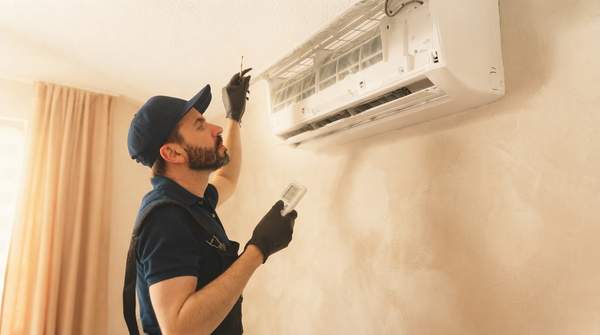
Many homeowners unknowingly cut their HVAC system's life short by years and inflate their energy bills, simply by overlooking routine maintenance like an annual professional service or a quarterly filter change. This oversight leads to premature equipment failure and drains household budgets through increased utility costs.
While routine maintenance is crucial for extending HVAC system life and efficiency, the most significant opportunities for overall sustainability improvements lie in initial design or major retrofits, often beyond a homeowner's direct control. This creates a tension: individual effort, while important, addresses only a fraction of the broader environmental impact.
Therefore, while homeowners achieve substantial savings and longevity through consistent maintenance, truly transformative gains in HVAC sustainability require industry-wide shifts in design and technology.
Why HVAC Maintenance Matters for Everyone
Routine HVAC upkeep directly impacts household budgets and environmental footprints. Sustainable HVAC systems are vital for healthy, energy-efficient, and economical homes, according to Sustainability of HVAC Systems - PMC. A well-maintained system reduces energy consumption, lowering utility bills and decreasing demand on power grids. It also ensures better indoor air quality by keeping filters clean and components free of dust. Each household's consistent maintenance contributes to a healthier environment and significant collective energy savings.
Essential Steps for a Longer-Lasting, Efficient System
To ensure your HVAC system operates efficiently and lasts longer, routine maintenance is indispensable. Homeowners should perform monthly filter checks, changing filters every three to six months, and schedule annual professional servicing, according to Cnet. Beyond filters, keep outdoor units clear of debris and indoor vents unobstructed. A professional technician inspects refrigerant levels, cleans coils, and checks electrical connections, preventing minor issues from escalating. These consistent actions directly extend the system's operational lifespan by several years, making them the most cost-effective preventative measure.

The Hidden Costs of Neglect
Neglecting regular HVAC maintenance incurs substantial hidden costs. Ignoring routine tasks leads to costly repairs, premature system replacement, and unnecessarily high energy bills. A clogged filter, for instance, forces the system to work harder, consuming more energy and straining components. This increased strain often results in emergency breakdowns, far more expensive than scheduled maintenance. A poorly maintained system runs longer to achieve desired temperatures, directly inflating utility statements. These cumulative financial drains far outweigh proactive maintenance costs and can even void manufacturer warranties, adding significant financial risk.
Beyond the Basics: Advanced Efficiency Tips
For homeowners seeking to boost HVAC efficiency further, advanced strategies exist. Waste heat and energy recovery are important for reducing energy usage, according to pmc.ncbi.nlm.nih.gov. While primarily commercial, these principles can apply to residential systems during major upgrades, offering substantial energy savings. Integrate smart thermostats that learn habits and optimize settings. Seal air leaks around windows and doors, and ensure adequate insulation; these actions significantly reduce the HVAC system's workload. These advanced techniques, often requiring professional intervention, provide significant energy efficiency and environmental benefits beyond routine care.
Your HVAC Maintenance Questions Answered
Can HVAC maintenance prevent breakdowns?
Yes, proactive HVAC maintenance significantly reduces the likelihood of unexpected breakdowns. Regular inspections identify worn parts, low refrigerant levels, or electrical issues before they cause system failure, saving homeowners from costly emergency repairs. Keeping components clean and properly lubricated also ensures smoother operation, minimizing stress on the entire system.
What are common tools for basic DIY HVAC maintenance?
For basic DIY HVAC maintenance, homeowners typically need a screwdriver for accessing panels, a vacuum cleaner with a brush attachment for cleaning vents, and a marker to note filter change dates. A tape measure helps ensure correct filter sizing. These simple tools allow for essential tasks like filter replacement and coil cleaning.
The Future of Sustainable HVAC: What's Next?
While homeowners play a vital role through diligent maintenance, the largest strides in HVAC sustainability will stem from broader systemic changes. The greatest opportunities exist at the design stage of new facilities and the retrofitting of existing equipment, according to Sustainability of HVAC Systems - PMC. Policymakers must shift focus from homeowner education to mandating higher efficiency standards and incentivizing advanced design.
The widespread absence of waste heat and energy recovery in residential HVAC systems means millions of homes currently throw away energy, representing a massive, untapped potential for national energy savings. Looking ahead, integrating advanced technologies like geothermal systems or highly efficient heat pumps will be key. Industry projections suggest a significant push towards these more sustainable options, with companies like Carrier and Trane investing heavily in R&D to make them more accessible for residential applications, likely driving long-term energy efficiency.