In a study comparing pest control methods, apartments receiving a single Integrated Pest Management (IPM) visit had significantly lower cockroach counts and allergen levels than those receiving regular pesticide applications, according to pmc. A single intervention dramatically improved living conditions. Many believe frequent pesticide application is the best way to eliminate household pests, but evidence shows a single, targeted IPM approach is more effective and sustainable. Widespread adoption of these methods could lead to healthier indoor environments and reduced reliance on chemical solutions.
The finding challenges the conventional wisdom that frequent chemical interventions yield superior results. IPM's effectiveness reveals that reducing pesticide exposure is not just a health benefit, but a direct pathway to sustained pest elimination. It contradicts the assumption that repeated chemical applications deliver better outcomes.
What is Integrated Pest Management (IPM)?
Integrated Pest Management (IPM) focuses on long-term pest prevention through combined techniques, not just pesticides. It involves understanding a pest's lifecycle and environment for effective management. A single, easily replicable IPM visit proved more effective than regular pesticide application alone, as reported This strategic approach prioritizes prevention, monitoring, and targeted intervention over broad-spectrum chemical sprays, disrupting the pest lifecycle more effectively than repeated chemical assaults. The sustained efficacy of a single IPM visit suggests current pest control paradigms are inefficient, trading lasting solutions for temporary chemical fixes.
Implementing IPM: Your Home Action Plan
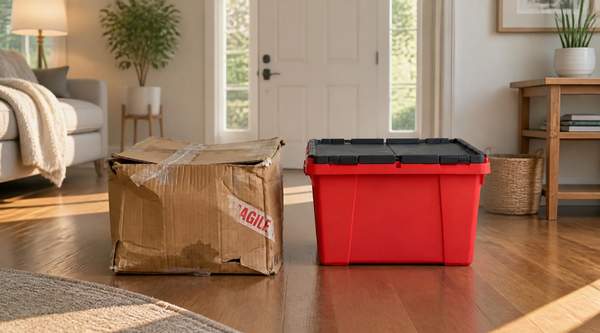
Implement an IPM strategy by starting with thorough inspection and sanitation. Seal cracks, repair leaky pipes, and store food in airtight containers. Pesticide use was reduced in IPM apartments, according to pmc. The reduction in chemical reliance promotes safer, healthier homes. Homeowners should focus on eliminating pest access points and food sources. The approach moves beyond simply killing pests; it understands their behaviors and habitats, emphasizing physical removal and biological controls where appropriate, minimizing chemical exposure.