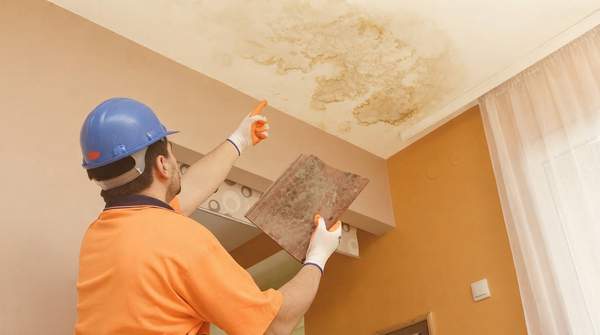
Your flooring is one of the biggest investments in your home, but one wrong move with a mop bucket can lead to costly damage. Learning how to clean and maintain different types of flooring is essential, especially because some materials have a distinct weakness. Hardwood floors are vulnerable to moisture, which can cause expansion, warping, and cupping if not handled correctly. With the right techniques and tools, however, you can protect your floors, ensuring they look great and last for decades—some well-maintained hardwood floors from the 1800s are even still in use today, according to flooring resource Twenty & Oak.
What Is Proper Floor Maintenance?
Proper floor maintenance is a consistent routine of cleaning and preventative care tailored to your specific flooring material. It goes beyond simple sweeping to include deep cleaning, stain removal, and protective measures that prevent long-term, irreversible damage. The goal is not just to keep floors looking clean but to preserve their structural integrity and finish for their entire lifespan. For example, the techniques that keep tile and grout pristine can ruin a hardwood floor, while the methods for carpet care are entirely different from those for vinyl planks.
Understanding the unique properties of your flooring is the first step. Materials like hardwood and laminate react poorly to excess moisture, while vinyl is more resilient but can be damaged by abrasive tools. Carpet traps dirt and allergens deep within its fibers, requiring powerful suction to remove them. A successful maintenance plan addresses these distinct needs with the right tools, cleaning solutions, and frequency, turning a daily chore into a protective investment.
Maintaining Different Flooring Types: A Comprehensive Guide
The key to effective floor care is to match your method to the material. Before you begin any cleaning regimen, it's critical to consult your flooring’s warranty. According to Twenty & Oak, you should always read the manufacturer’s care and maintenance instructions first to avoid accidentally voiding your coverage. Here is a step-by-step breakdown for the most common flooring types in today's homes.
How to Clean Hardwood Floors Properly
Solid hardwood is prized for its beauty and longevity, but its natural composition makes it susceptible to scratches and, most importantly, water damage. Moisture is the primary enemy, as it can cause the wood to swell, warp, or "cup," where the edges of the boards rise higher than the center.
- Step 1: Remove Debris Frequently. Your first line of defense is to remove abrasive particles like dirt, sand, and grit that can scratch the finish. You’ll want to sweep with a soft-bristle broom or vacuum at least twice per week. When vacuuming, use a soft brush head attachment or a model specifically designed for hard floors. Avoid using a vacuum with a stiff, rotating beater bar, as this can dent or dull the wood's finish.
- Step 2: Perform a Damp Mop. For a deeper clean, you should damp mop your hardwood floors about once a week. The key word here is damp, not wet. Lightly spray a small section of the floor with a pH-neutral, water-based hardwood floor cleaner. Use a microfiber mop to wipe the area immediately, ensuring no standing liquid is left behind. Work in small, manageable sections until the entire floor is clean.
- Step 3: Address Spills Immediately. Never let liquid sit on your hardwood floor. Wipe up any spills as soon as they happen with a soft, absorbent cloth. For sticky residues, use a cloth dampened with your approved hardwood cleaner, then wipe dry.
Best Ways to Clean Laminate Flooring
Laminate flooring offers a durable, scratch-resistant surface that often mimics the look of real wood. While it is more resistant to moisture than hardwood, it is not waterproof. Water can seep into the seams between planks, causing the core material to swell and bubble—damage that is typically irreversible.
- Step 1: Start with a Dry Clean. Just like hardwood, laminate should be swept or vacuumed regularly to remove dirt and debris. Use a soft brush attachment to prevent micro-scratches that can dull the floor's appearance over time.
- Step 2: Mop with Minimal Moisture. Clean your laminate floors with a flat-head microfiber mop and a spray bottle filled with a laminate-specific cleaner or a simple mixture of water and a drop of dish soap. Lightly mist the mop head itself, not the floor, to ensure you're not applying too much liquid. Never use a traditional string mop and bucket, and avoid steam cleaners entirely, as the high heat and moisture can cause permanent damage.
- Step 3: Tackle Tough Spots Carefully. For stubborn spots like scuff marks or grease, you can often use a small amount of acetone (nail polish remover) on a clean, white cloth. Rub the spot gently, then immediately wipe the area with a cloth dampened with plain water to remove any residue.
Cleaning Luxury Vinyl Tile (LVT) and Plank (LVP)
Luxury vinyl is a popular choice for its durability and water resistance, making it suitable for kitchens, bathrooms, and basements. According to home improvement resource 50Floor, LVT and LVP are easy to clean, but you should avoid abrasive materials that can scratch the protective wear layer.
- Step 1: Sweep or Vacuum Daily. Regular removal of dirt is essential to prevent fine scratches. A daily pass with a soft broom or vacuum (on the hard floor setting) will keep the surface looking its best.
- Step 2: Mop Weekly with a Gentle Cleaner. For routine cleaning, mop the floor with a pH-neutral cleaner. These gentle solutions clean effectively without leaving a hazy residue or damaging the floor's finish. While LVP is water-resistant, it's still best to avoid flooding the floor with excessive water, which could eventually work its way into the subfloor.
- Step 3: Avoid Harsh Chemicals and Tools. Never use abrasive scrubbers, steel wool, or harsh chemicals like ammonia or bleach on luxury vinyl. These can strip the finish and cause permanent discoloration or scratching.
Effective Carpet Cleaning and Stain Removal Techniques
To prevent premature wear, diligent maintenance is crucial for carpet. Its dense fibers trap dirt, allergens, and stains, which abrade the material over time.
- Step 1: Vacuum Thoroughly and Regularly. Regular vacuuming is the single most important step in maintaining your carpet. For best results, vacuum high-traffic areas several times a week and the entire carpeted area at least once a week. A quality upright or canister vacuum with strong suction is ideal. According to a report from The New York Times, the best vacuums feature powerful suction and swappable heads, including a motorized cleaner for carpets.
- Step 2: Treat Stains Immediately. The longer a spill sits, the harder it is to remove. Blot the stain with a clean, white cloth, working from the outside in to prevent it from spreading. Never scrub, as this can damage the carpet fibers. Use a carpet-specific spot cleaner appropriate for the type of stain.
- Step 3: Schedule Periodic Deep Cleanings. While regular vacuuming removes surface dirt, 50Floor notes that periodic professional deep cleaning is necessary to extract embedded dirt and allergens. For most households, a professional steam cleaning or hot water extraction every 12 to 18 months will prolong the life and appearance of your carpet.
Common Floor Cleaning Mistakes to Avoid
Mistakes can easily harm floors; awareness of common pitfalls is key to proper maintenance.
- Using Too Much Water. This is the most common and damaging mistake for wood and laminate floors. Always use a lightly dampened mop and ensure the floor dries quickly.
- Applying the Wrong Cleaning Solution. Using acidic cleaners like vinegar on natural stone can etch the surface, while oil-based soaps can leave a dulling residue on polyurethane-finished wood. Stick to cleaners specifically formulated for your floor type.
- Scrubbing with Abrasive Tools. Steel wool, hard-bristle brushes, and abrasive powders can leave permanent scratches on hardwood, laminate, and vinyl. Always use soft cloths, microfiber mops, and non-abrasive pads.
- Forgetting Furniture Pads. The legs of chairs, tables, and sofas can cause deep scratches and gouges. Apply felt protector pads to the bottom of all furniture to allow them to slide without damaging the floor.
Advanced Tips for Floor Longevity
Beyond basics, extra steps significantly extend flooring life and beauty, creating a comprehensive care plan that protects your investment.
First, think about prevention. Place high-quality doormats at every exterior door to trap dirt, moisture, and salt before they are tracked inside. In high-traffic areas like hallways or living rooms, use area rugs to protect the floor underneath from concentrated wear. Rugs can always be replaced, but your flooring is a more permanent fixture.
Second, invest in the right tools, especially a high-quality vacuum. The New York Times reports canister vacuums excel on all floor types, from high-pile carpet to delicate wood, while powerful upright vacuums are versatile. For allergy sufferers, high-end models with sealed systems and HEPA filters capture fine dust and pollutants, improving indoor air quality.
Frequently Asked Questions
Can I use a steam mop on my hardwood or laminate floors?
No. You should never use a steam mop on hardwood or laminate flooring. Hardwood floors are highly vulnerable to moisture, and the intense heat and steam can force water deep into the wood grain and between planks, causing permanent warping, cupping, and finish damage. Similarly, laminate flooring's core is susceptible to moisture, and steam can cause irreversible swelling and delamination.
How often should I deep clean my carpets?
While you should vacuum your carpets at least weekly, a professional deep cleaning is recommended every 12 to 18 months. Households with pets, children, or allergy sufferers may benefit from a deep cleaning every 6 to 12 months. This process, often called hot water extraction, removes the deeply embedded dirt, oils, and allergens that regular vacuuming can't reach.
What is the best all-purpose floor cleaner?
There is no true all-purpose cleaner that is safe and effective for every type of flooring. Each material has unique chemical sensitivities. Using a dedicated cleaner formulated for your specific floor—whether it's hardwood, vinyl, tile, or laminate—is the safest and most effective approach. A pH-neutral cleaner is often a safe choice for resilient flooring like LVT and tile, but always check the manufacturer's recommendations first.
The Bottom Line
To ensure longevity and lasting beauty, confirm your flooring type, review the manufacturer's care guide, and equip yourself with the right tools and cleaners. This tailored approach, from hardwood's moisture sensitivity to carpet's vacuuming needs, is crucial for proper maintenance.