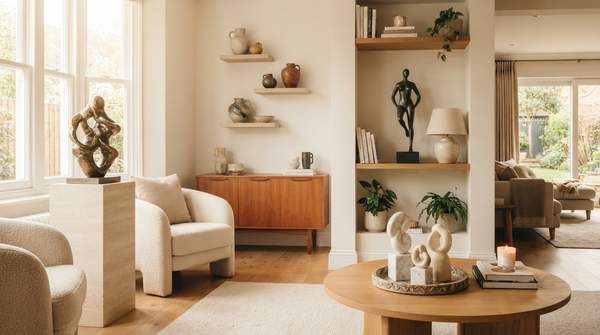
A recent survey found 70% of consumers believe luxury home decor is out of reach, yet 45% purchased a 'luxury-look' item under $100 last year, according to the Home Trends Report 2023. The survey reveals a fascinating shift: high-end home aesthetics, once exclusive to the wealthy, are now accessible to nearly everyone through strategic shopping and innovative brands. The affordable luxury segment will continue its robust growth, compelling traditional high-end brands to adapt or cede market share to more agile competitors.
The Rise of Accessible Elegance
Online retailers like Wayfair and Amazon now curate 'designer dupes' collections, mirroring high-end brands at up to 80% less, reports Retail Dive. Discount stores such as TJ Maxx and HomeGoods also saw a 15% increase in premium-look decorative item sales year-over-year, as detailed in a Company Earnings Report. Clearly, the market actively responds to consumer demand for luxury aesthetics at lower price points.
Innovation Driving Down Costs
Direct-to-consumer brands disrupt the market by cutting out middlemen, offering designer-quality decor at lower prices, states DTC Insider. Cutting out middlemen directly translates to savings. For instance, the average cost of a high-end velvet sofa dropped 20% in five years, thanks to improved manufacturing and supply chain efficiencies, as reported by Furniture Industry Analysis. Direct-to-consumer brands, technological advancements, and a thriving secondary market fundamentally reshape the cost and availability of sophisticated home items.
Broader Trends Fueling the Shift
The global home decor market is projected to reach $838.6 billion by 2027, largely fueled by affordable luxury, forecasts MarketWatch. The growth of affordable luxury mirrors the 'quiet luxury' aesthetic now seen in home decor, favoring understated elegance over overt branding, which perfectly aligns with budget-friendly finds, notes Vogue Living. Macroeconomic factors, shifting aesthetic preferences, and supply chain adaptations all converge to cultivate accessible luxury in home decor.
The Future of Frugal Chic
Experts predict a rise in AI-powered personal shopping tools, identifying luxury dupes based on user preferences and budget, according to TechCrunch. AI-powered personal shopping tools empower consumers to find the best deals. Shoppers increasingly prioritize 'investment pieces' for foundational items while saving on decorative accents, fostering a hybrid approach. Home decor shopping will become even more personalized and strategic, driven by technology and a desire to balance aspirational aesthetics with financial prudence.