Living

Slow living's surprising impact on home design and furniture

In the past year, searches for 'handmade furniture' and 'sustainable home decor' surged by 150% on major e-commerce platforms, signaling a profound shift away from disposable trends.

CW
Clara Whitmore

April 12, 2026 · 4 min read

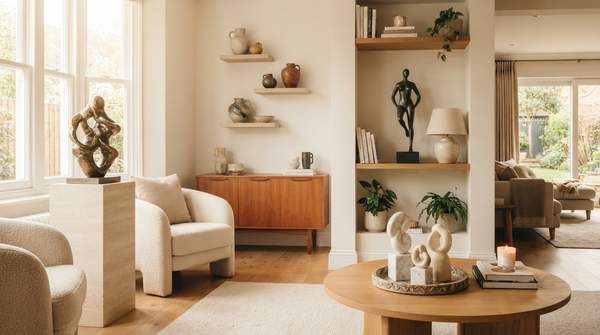
A tranquil living room featuring handcrafted furniture and natural light, embodying the principles of slow living design.

In the past year, searches for 'handmade furniture' and 'sustainable home decor' surged by 150% on major e-commerce platforms, signaling a profound shift away from disposable trends. A growing desire among homeowners to fill their spaces with items that tell a story, built to last and ethically sourced, is reflected by this surge. Imagine your living space as a reflection of thoughtful choices, where each piece contributes to a sense of calm and permanence, rather than fleeting fads.

Yet, consumers express a strong desire for durable, ethically produced home goods, while the majority of the market still pushes cheap, trend-driven items designed for short-term use. A significant disconnect, leaving many feeling underserved, is created by this.

As consumer values align with longevity and sustainability, the home furnishings industry will likely undergo a significant restructuring. Brands prioritizing craftsmanship and ethical sourcing will thrive. Mass-market retailers must fundamentally redesign their supply chains or face rapid obsolescence against this new wave of conscious consumers. Already, one independent artisan furniture studio in Brooklyn reported a 300% increase in custom orders since 2020, often with 6-month waiting lists, according to The Crafted Home Magazine.

The Numbers Behind the Shift

  • $100 billion — The global sustainable furniture market is projected to reach this value by 2027, growing at a Compound Annual Growth Rate (CAGR) of 10.5%, according to Grand View Research (2022).
  • 5% — Sales of 'fast furniture' (defined as items under $200 with a lifespan of less than 3 years) have seen this decline year-over-year in major Western markets, according to Euromonitor International (2023).
  • 40% — Online platforms specializing in vintage and second-hand furniture reported this increase in transactions over the last two years, according to Chairish Annual Report (2023).
  • 60% — A study by IKEA found that this percentage of their customers now consider product longevity and repairability as key purchasing factors, up from 35% five years ago, according to the IKEA Sustainability Report (2023).

These figures paint a clear picture: slow living is no longer a niche trend. The projected growth of sustainable furniture, coupled with declining fast furniture sales and a surge in vintage markets, confirms a significant economic shift. Even major retailers like IKEA note customers now prioritize longevity, signaling a widespread move towards thoughtful consumption.
Design for Longevity: What Slow Living Looks Like at Home

Slow living manifests as a clear preference for thoughtful design, quality materials, and items built to last, directly countering fast furniture's disposable nature. You'll find yourself drawn to natural materials and versatile pieces that adapt to your evolving needs, a conscious investment in both beauty and durability.

Design ElementTraditional Fast FurnitureSlow Living Approach (2026)
MaterialsSynthetic, mass-produced fabricsSolid wood, linen, wool (Architectural Digest Designer Survey, 2023)
FunctionalitySingle-purpose, trend-drivenMulti-functional pieces like extendable tables or storage ottomans (Home & Garden Trends Report, 2024)
Expected Lifespan5-7 years10-15 years (Consumer Reports Furniture Durability Study, 2023)
CraftsmanshipAssembly-line productionTraditional joinery, handcrafted details (Fine Woodworking Magazine, 2023)

Sources: Architectural Digest Designer Survey (2023), Home & Garden Trends Report (2024), Consumer Reports Furniture Durability Study (2023), Fine Woodworking Magazine (2023)

Beyond Aesthetics: The Roots of the Slow Living Movement

The slow living movement stems from a deeper desire for well-being and environmental responsibility. Post-pandemic, 65% of individuals want their homes to be a sanctuary, driving more intentional design choices, according to Pew Research Center (2023). Growing awareness of environmental impact, with 70% of eco-conscious buyers now considering landfill waste from discarded furniture (states an Environmental Protection Agency Report on Waste (2022)), amplifies this quest for personal refuge.

Beyond these concerns, e environments, as noted by Psychology Today (2023). You are increasingly rejecting constant trend cycles, seeking authenticity and personal expression over conformity, a shift observed by the Cultural Studies Journal (2023). The rejection of hyper-consumerism in home design is fueled by this confluence of factors.

The Future of Home: Adaptations and Innovations

The furniture industry is actively re-evaluating its strategies to meet the evolving demands of conscious consumers, offering innovative business models and a renewed focus on craftsmanship.

  • Partnering with local makers for unique, handcrafted pieces, reports Retail Dive (2023).
  • Systems without long-term commitment, evidenced by recent Furniture-as-a-Service Startup Funding (2023).
  • Increased enrollment in related programs, according to the Craftsmanship Institute (2023).

These adaptations mean more options for you to create a home that truly reflects your values, from how you acquire pieces to how you maintain them over time.

Designing a Life, Not Just a Room

  • Frequent replacement needs, according to the Journal of Consumer Psychology (2023).
  • Contributing to reduced stress levels for occupants, notes Environmental Psychology Research (2023).
  • Years, outperforming mass-produced items, according to a Sotheby's Home Report (2023).

Slow living in home design is a strategic investment, as these benefits — from increased satisfaction and reduced stress to higher resale value — underscore. By Q3 2026, many mass-market fast furniture retailers will likely face a critical choice: fundamentally redesigning supply chains for longevity or risking irrelevance against a new wave of conscious consumers, a challenge mirrored by the struggles of American furniture stores reported by The New York Times.