In 2026, homes are shedding the cool, ultra-controlled minimalism of the past decade, opting instead for spaces defined by warmth, tactility, softness, and personality. The shift in emotional design trends for interior spaces is defined by a collective yearning for environments that offer solace and connection, moving beyond purely aesthetic considerations. Homeowners actively seek to infuse living areas with personal narrative, transforming stark rooms into havens of comfort.
For years, interior design championed sleek, minimalist aesthetics, often favoring clean lines and neutral palettes. Now, the prevailing trend marks a decisive shift towards comfort, warmth, and individual expression. The pivot towards comfort, warmth, and individual expression is a cultural repudiation rather than a gradual evolution, as previously dominant "icy white rooms and sharp minimalism" are rapidly replaced.
Based on the rapid adoption of warm palettes and tactile elements, it appears likely that emotionally resonant design will become the dominant paradigm. Emotionally resonant design influences not just homes but also commercial and hospitality spaces. A deep-seated re-evaluation of how spaces should feel and function is suggested by this foundational change in design philosophy.
The Great Thaw: From Austere to Approachable
The definitive shift away from "icy white rooms and sharp minimalism" towards "layered warmth," according to Yanko Design, indicates a fundamental reorientation in how living spaces are conceived. The definitive shift away from "icy white rooms and sharp minimalism" towards "layered warmth" suggests the design industry must urgently re-evaluate its foundational principles. The pursuit of austere control now actively alienates a comfort-seeking clientele, leading to a profound market adjustment.
The rejection of minimalism is not merely an aesthetic preference but a deeper cultural pivot away from "ultra-controlled" environments. Consumers increasingly value living spaces for their ability to provide emotional comfort and reflect individual identity. A collective desire for authenticity and a rejection of the synthetic feel often associated with stark, modern design is signified by this departure. A cultural repudiation rather than a gradual evolution is suggested by the speed and totality of this replacement.
Defining the New Aesthetic: Curves, Clay, and Comfort
The widespread adoption of warm, tactile elements like terracotta and limewash signals a significant market shift.
- As noted by Yanko Design, consumers prioritize sensory comfort and authenticity over perceived sterility. This indicates a significant market opportunity for brands embracing natural textures and organic forms, particularly those offering handcrafted finishes.
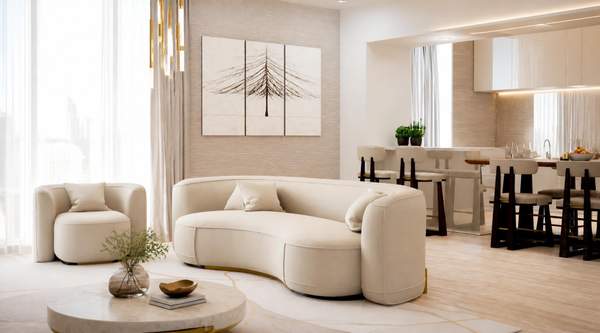
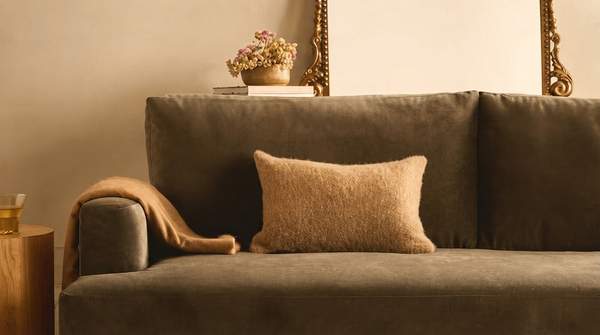
Terracotta, limewash, and curved sofas define interior design trends in 2026, marking a clear departure from minimalist aesthetics. These specific material and form choices are not merely decorative; they are intentional expressions of a desire for spaces that feel lived-in, comforting, and genuinely inviting. A foundational change in design philosophy is indicated by the pervasive dominance of warm neutral palettes—including shades like creamy white, ochre, sand, caramel, and warm taupe—across diverse spaces, from living rooms to hospitality. The pervasive dominance of warm neutral palettes suggests this trend is not fleeting.
Designers and consumers actively seek depth and richness in their environments, which is implied by the emphasis on "layered warmth". The emphasis on "layered warmth" moves beyond singular, stark statements to create complex, inviting atmospheres that reflect personal stories rather than generic ideals. A desire for authenticity and a rejection of synthetic finishes, creating a more grounding and human-centric experience, is signified by the embrace of natural, organic materials.
Beyond Aesthetics: The Emotional Imperative
- A deeper cultural pivot away from "ultra-controlled" environments towards spaces fostering emotional comfort and individual expression is represented by the rejection of minimalism.
- A desire for authenticity and a rejection of synthetic aesthetics is signified by the embrace of natural, organic materials such as terracotta and limewash, alongside soft forms like curved sofas.
- A foundational change in design philosophy, indicating a deep-seated re-evaluation of how spaces should feel and function, is signaled by warm neutral palettes across diverse spaces.
- Designers and consumers seek depth and richness in their environments, moving beyond stark statements to create complex, inviting atmospheres reflecting personal stories, which is implied by the emphasis on "layered warmth".
A broader societal recognition that environments profoundly impact mood and well-being, making authenticity and comfort paramount, is signaled by the embrace of emotional design. Personal narrative is prioritized over sleek, impersonal control by this shift, demanding spaces that resonate deeply with inhabitants. Designers and manufacturers must now focus on creating environments that genuinely nurture and reflect individual identities, moving beyond purely visual appeal.
By Q3 2026, manufacturers focusing on mass-produced, stark minimalist decor will likely face significant market challenges as consumers increasingly seek personalized, tactile environments. Brands like Vitra, known for their classic, often minimalist designs, may need to adapt their offerings to incorporate more organic forms and warmer materials to remain competitive in this evolving landscape.