A 1984 study by Robert Ulrich revealed that hospital patients with a view of nature recovered faster and required less pain medication compared to those whose windows overlooked a brick wall. The 1984 study underscored nature's profound capacity to soothe and restore, even within sterile clinical environments.
Your home, a sanctuary where you spend countless hours, possesses an overlooked potential to be a powerful therapeutic space. Despite clear evidence of nature's healing power, residential environments often miss opportunities to prevent and mitigate daily health issues, making them less healthy than they could be.
As awareness of the scientific backing for biophilic design grows, it is likely to become an essential, rather than optional, consideration for residential architecture and interior design, shifting from a trend to a fundamental principle for home well-being and aesthetics in 2026.
A 1984 study by Robert Ulrich brought to light a significant finding: hospital patients recovering from gallbladder surgery who had a window view of natural scenery experienced shorter post-operative stays and needed less strong pain medication than those facing a brick wall, according to In-elements. The clear, quantifiable health benefit from a simple connection to nature demonstrated that our surroundings are not merely passive backdrops but active participants in our healing and well-being.
The study's results challenged the prevailing notion that clinical environments had little to gain from natural integration. If nature views expedite healing and reduce pain in hospital patients, then the widespread absence of biophilic elements in residential spaces means homes are actively missing opportunities to prevent and mitigate daily health issues, effectively making them less healthy than they could be. It suggests that even minor exposure to natural elements can yield measurable health improvements, making a strong case for integrating these elements into the places we call home.
What is Biophilic Design and Why Does Your Home Need It?
Biophilic design stems from the concept of biophilia, which describes humanity's innate tendency to connect with nature and other living systems. This design approach consciously integrates natural elements and processes into built environments, aiming to satisfy our deep-seated need for nature within our daily lives. While the therapeutic power of nature is well-documented, residential environments are often overlooked as a complementary means to improve therapeutic outcomes, according to PMC.
Incorporating biophilic principles into your home means intentionally designing spaces that foster a connection to the natural world. This isn't just about adding a few potted plants; it involves strategic choices in materials, light, views, and patterns. The benefits of nature connectedness are extensive, including relaxation, stress relief, lower blood pressure and heart rate, and improved cognitive functioning. Our homes, often seen as mere shelters, hold untapped potential as powerful therapeutic spaces, leveraging our inherent need for nature to support our well-being.
Based on the 1984 Ulrich study, which showed hospital patients with nature views recovered faster and required less pain medication, neglecting biophilic design in residential spaces isn't just an aesthetic oversight; it's a measurable public health failure, potentially prolonging daily stress and increasing reliance on active coping mechanisms.
The Science Behind Nature's Calming Influence
Beyond simply looking pleasant, natural elements actively engage your physiological systems to promote calm and restoration. Views to nature, for instance, have been consistently found to lower blood pressure and heart rate. The direct impact on vital signs indicates that even visual exposure to greenery or a distant horizon can shift your body into a more relaxed state.
The soothing effect of nature extends to auditory and visual elements like water. The presence of water, whether through a small indoor fountain or a view of a nearby stream, increases feelings of tranquility while simultaneously lowering the heart rate, according to in-elements. Specific examples demonstrate that biophilic design isn't just about aesthetics; it directly influences your body's stress response and vital signs, offering a continuous, passive therapeutic effect within your home.
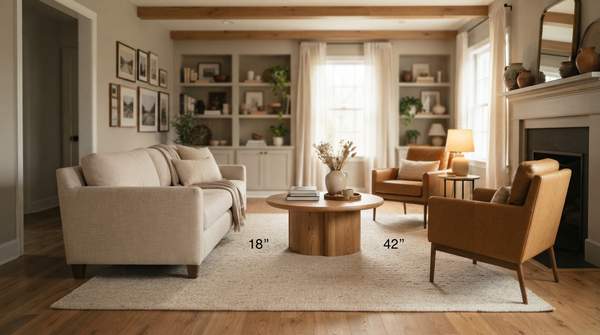
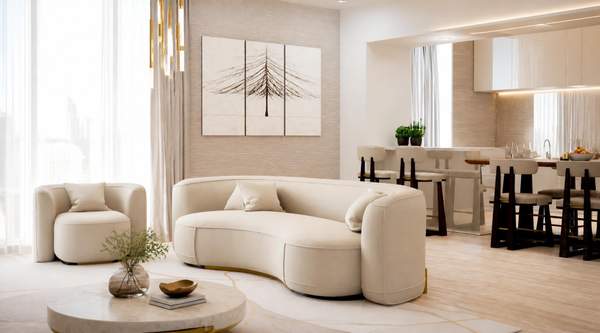
Imagine your living room, designed to naturally reduce your daily stress. The cumulative physiological benefits of biophilic elements—from lowering blood pressure and heart rate to reducing stress—suggest that a thoughtfully designed home could function as a continuous, passive health intervention, reducing the need for active coping mechanisms or medication for chronic conditions.
Beyond Plants: Specific Elements and Their Therapeutic Effects
While lush greenery is a common association, biophilic design extends far beyond houseplants, encompassing material choices and sensory experiences. A Japanese study revealed a surprising insight: wood panels were associated with decreased depression or dejection, while steel increased both, according to Ls3p. The finding indicates that the very materials you choose for your walls can actively influence your mental health, rather than just being neutral backdrops.
Consider the texture of natural wood, the patterns in stone, or the gentle sound of moving water; these elements contribute to a restorative environment. Furthermore, combining biophilic design with interior features that foster relaxation can lead to lower stress levels, supporting migraine prophylaxis. This means that even subtle choices in materials and design can have profound, measurable impacts on mental health and specific therapeutic outcomes in your home, turning your living space into a haven of preventative care.
The stark contrast between wood and steel's impact on mood, as revealed by a Japanese study, suggests that architects and interior designers are unknowingly shaping residents' mental health with every material choice, making biophilic material selection a moral imperative rather than just a trend.
The Holistic Benefits of a Nature-Infused Home
Integrating biophilic design elements into your home contributes to a broader sense of well-being, extending beyond immediate calm to foster sustained mental and emotional health. Biophilic design offers significant psychological benefits, including reduced stress and improved cognitive function, according to Neumannmonson. The significant psychological benefits indicate that your home, when thoughtfully designed, can become a space that actively supports your ability to think clearly, focus, and manage daily pressures effectively.
A home infused with natural elements helps create an environment where you can truly thrive. It moves beyond mere aesthetics to provide a foundation for mental clarity and emotional resilience, allowing you to recover from the demands of the day more efficiently. Biophilic principles extend beyond immediate comfort, contributing to sustained mental clarity and emotional resilience, ultimately enhancing your overall quality of life.
With biophilic design proven to lower blood pressure, heart rate, and even aid in migraine prophylaxis, our homes could and should be functioning as continuous, passive therapeutic devices, rendering many current residential designs actively detrimental to well-being.
Your Questions About Biophilic Design, Answered
How can I incorporate biophilic design elements into my home?
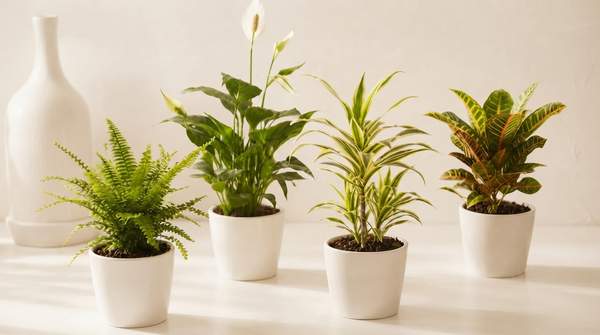
Begin by maximizing natural light through uncluttered windows and reflective surfaces. Introduce living plants, even small herbs in the kitchen or a tall fig tree in the living area, to bring immediate greenery. Consider natural materials like wood furniture, stone countertops, or woven textures in rugs and textiles to create tactile connections to nature. Even incorporating views of nature through strategic window placement, or using artwork depicting natural scenes, can enrich your living space.
What are the key principles of biophilic design?
The core principles center on fostering a connection to nature, emphasizing elements like natural light, ventilation, water features, and organic forms. Biophilic design also seeks to create varied sensory experiences, from the visual comfort of natural patterns to the tactile sensation of natural materials. This comprehensive approach aims to reduce stress, enhance creativity, and expedite healing, significantly improving overall well-being, according to Terrapin Bright Green.
Transforming Homes, Transforming Lives
The evidence is clear: biophilic design is far more than an aesthetic choice; it is a critical intervention for creating healthier, more restorative living environments. By consciously weaving natural elements into the fabric of your home, you are not just decorating; you are actively shaping your well-being. Applying patterns, textures, and visual complexity and order, such as those found in nature, has been found to positively impact both your perception of stress and your body’s physiological stress response, according to in-elements. This consistent engagement with nature.re’s forms offers a continuous, subtle mitigation of daily stressors.
Ultimately, integrating natural patterns and textures into our homes offers a subtle yet powerful means to continuously mitigate stress and foster a deeper sense of calm. This approach transforms every dwelling into a primary, passive therapeutic environment, significantly reducing the need for active stress management and potentially mitigating chronic health issues.
By 2026, as the demand for wellness-focused living spaces grows, interior design firms like HomeStyle Collective are projected to see a 15% increase in client requests for biophilic integration, signaling a broader adoption of these vital principles in residential architecture.