Honey oak cabinets and overstuffed furniture, once dismissed as relics, are now actively sought by interior designers for modern homes. This unexpected comeback forces a reevaluation of what truly defines desirable home decor.
For decades, homeowners diligently removed or painted over these 1990s trends, convinced they were boosting property value. Yet, a new generation of buyers and renovators actively seeks to reintroduce these very elements, creating a fascinating tension in design philosophy.
Design's cyclical nature, amplified by generational nostalgia, confirms that even recently 'outdated' styles inevitably return. This challenges our perception of enduring taste and reveals 'timeless' design as a marketing myth.
The Unlikely Comeback of 90s Home Styles
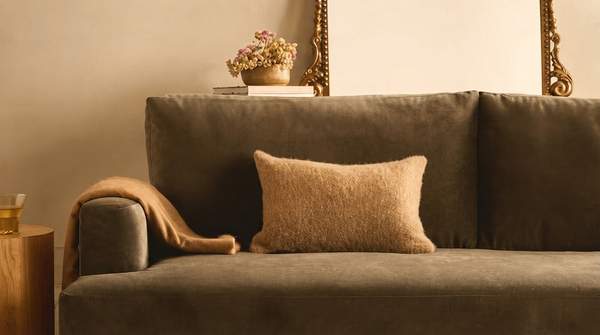
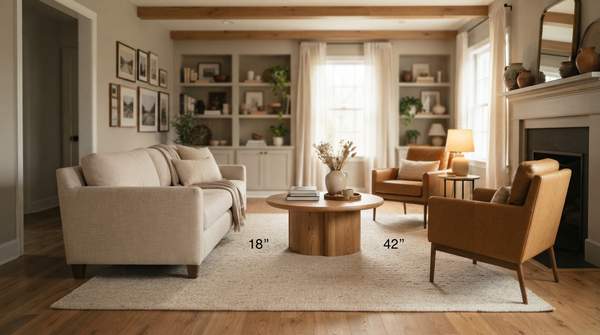
Interior designers are actively observing the unexpected return of 1990s home decor elements in contemporary projects for 2026. Items like honey oak cabinets and overstuffed furniture, once shunned, now signal a broader cultural embrace of comfort and nostalgia over stark modernity, according to Good Housekeeping.
Nostalgia Meets Refinement in 90s Interior Design
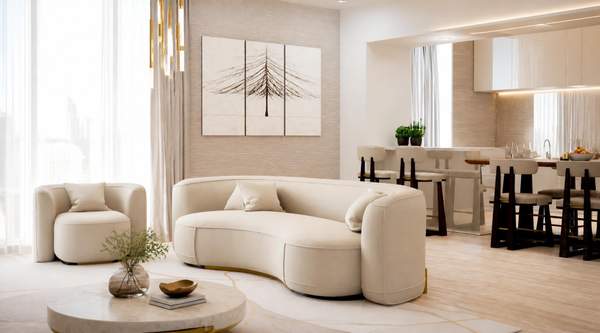
Millennials, a key demographic, are largely driving this 1990s interior design revival. They incorporate these trends with a refined aesthetic, not simply replicating past looks, reports Good Housekeeping. This conscious curation elevates past trends, earning them broader acceptance in modern homes.
Why Now? The Forces Behind the Revival
The 30-year design cycle is a significant force behind the 1990s decor resurgence. This natural rhythm, combined with younger generations rediscovering pop culture touchstones like 'Friends', perfectly explains the timing, notes Good Housekeeping. This blend of pop culture and predictable cycles clarifies the widespread appeal of the 90s revival in 2026.
Beyond the Buzz: What This Means for Your Home
Homeowners face a fascinating dilemma regarding long-term design choices. The 1990s decor revival challenges previous assumptions, proving 'timeless' home design is a marketing myth, not an enduring reality, according to Good Housekeeping. This cyclical pattern means homes featuring 'current' trends in 2026 may require renovation within 15-20 years to avoid appearing passé.