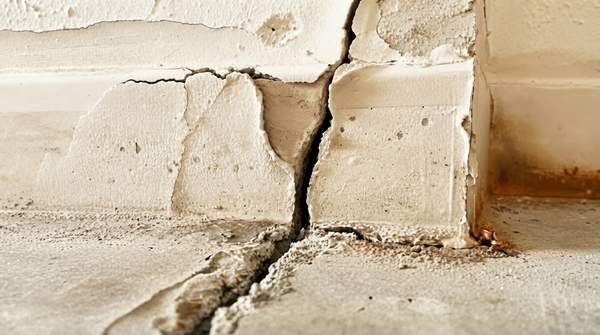
Most foundation problems trace back to one thing: soil moisture change. When the ground under a house swells with water or shrinks as it dries, the foundation resting on it moves. The good news is that your home tells you what is happening through recognizable signs—crack patterns, sticking doors, gaps around frames—and each sign points toward a different underlying cause and a different category of professional repair. A thin vertical crack in poured concrete, for example, is usually just curing shrinkage, while a horizontal crack in a foundation wall signals soil pressure pushing inward and warrants a professional call right away.
Understanding Your Home's Foundation: Why It Matters
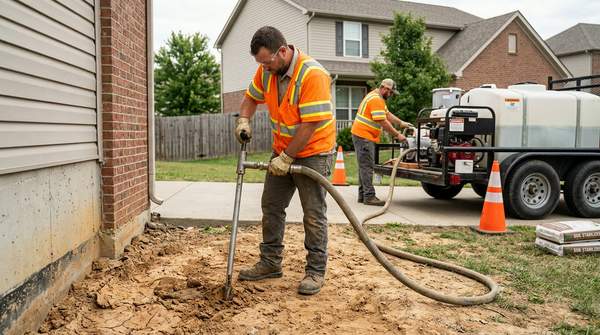
Your foundation does not move on its own. Its stability depends heavily on the soil beneath it and the weather conditions affecting that soil, as foundation repair specialists at Ram Jack explain. Across the United States, different soil types and climate patterns create distinct challenges for homeowners, which is why the same crack pattern can mean different things in different regions. Foundation repair, in their framing, means addressing damage to the base of a building caused by factors like soil movement, moisture fluctuations, poor construction, or natural disasters.
That context matters because it changes how you should react to what you see. Not all foundation movement indicates a serious problem. Homes, especially those less than ten years old, often experience normal settling over time, and minor shifts do not always mean repairs are necessary—though they are worth monitoring. Early professional diagnosis can provide peace of mind and help you track changes before they escalate. The goal of this guide is to help you triage what you observe, understand the likely cause, and walk into a contractor conversation knowing which questions to ask.