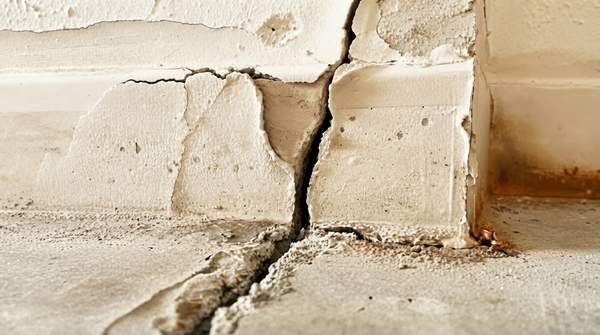
Fort Worth homeowners know that soil conditions can influence how a house settles and how well its foundation performs over time. Clay-rich soils are especially responsive to moisture: they can expand when wet and contract as they dry. As these changes repeat, the ground supporting a home may move unevenly, sometimes contributing to cracks, sloping floors, or doors and windows that no longer operate smoothly.
HFX Foundation Solutions helps North Texas property owners address foundation, drainage, and understructure concerns associated with residential properties. Understanding the relationship between clay soil and foundation movement can help homeowners recognize warning signs and ask informed questions about potential repairs.
One important distinction: a contractor does not simply “stabilize clay soil” with a single universal treatment. The appropriate response depends on the property, foundation type, drainage patterns, and evidence found during an evaluation. The following five approaches explain how foundation and water-management work may help address the effects of changing soil conditions.
1. Assessing Foundation Movement Before Choosing a Repair
The first step is understanding what is happening at the property. Clay soil movement is one possible contributor to foundation distress, but cracks and uneven floors can have other causes, too. The location, direction, and progression of cracks, changes in door and window operation, and differences in floor level may help a professional decide what needs closer examination.
HFX Foundation Solutions offers foundation evaluations for homeowners who have noticed these kinds of changes. An assessment can help establish whether the symptoms suggest foundation movement and whether additional investigation or repair may be appropriate.
The repair should reflect the foundation design, affected areas, and site conditions. Not every crack requires underpinning, and no contractor can promise a house will never move again. The goal is to identify the concern and recommend a suitable solution.
2. Using Appropriate Pier Systems to Support the Foundation
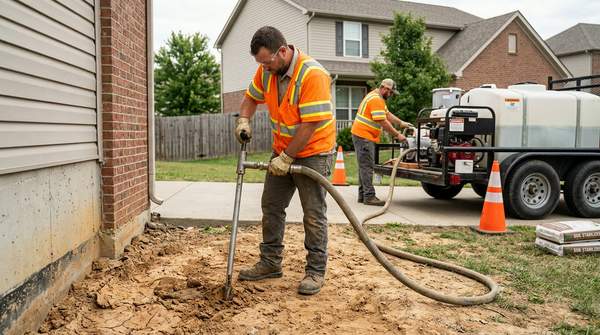
When an assessment indicates that a foundation needs additional support, a pier system may be part of the repair plan. HFX Foundation Solutions lists steel piers, concrete piers, and drilled piers among its foundation repair options.
These systems are not interchangeable in every situation. Their suitability depends on factors such as site conditions, foundation type, access, engineering or assessment findings, and the intended repair. A contractor can explain why a particular system is being proposed and how it is expected to support the affected structure.
Ask what problem the pier system is intended to address, where supports will be installed, and how the completed work will be assessed. Request a written scope. Piers address structural support; they do not stop clay from absorbing or releasing moisture, so drainage measures may also be relevant.
3. Improving Drainage Around the Home
Water management is an important part of maintaining a home on moisture-sensitive soil. When rainwater repeatedly collects near the foundation, the soil in one area may remain wetter than the soil elsewhere. Extended dry periods can also change soil moisture. These uneven conditions may contribute to movement around the structure.
HFX Foundation Solutions offers drainage services that include surface drains and French drains, and it lists gutters among its services. A surface drain can collect water at a suitable low point, while a French drain uses a buried drainage arrangement to collect and redirect water where the design and site conditions support that approach. The right system depends on the property's grading, water flow, and discharge options.
Look for standing water near the house, downspouts that release water beside the foundation, or runoff that travels toward the building. These signs do not automatically mean a drain is required, but they can guide a professional discussion. Drainage should suit the site and discharge water appropriately rather than transferring the problem elsewhere.
4. Managing Roof Runoff and Surface Water Consistently
Gutters and downspouts are easy to overlook until a storm sends water cascading beside the house. If roof runoff repeatedly lands close to the foundation, it can saturate nearby soil and create local moisture differences. Poor grading can compound the problem by allowing water to collect rather than flow away.
Because HFX Foundation Solutions includes gutters and drainage improvements among its services, homeowners can ask whether roof runoff or surface-water patterns should be part of an overall assessment. Depending on the property, useful steps may include repairing or maintaining gutters, checking downspout discharge points, and correcting drainage paths that direct water toward the building.
The aim is consistent, appropriate water management, not keeping soil as dry as possible. Avoid heavily watering one section to force a foundation back into place or making major grading changes without understanding the consequences. Depending on the site, a solution may involve gutters, surface drainage, a French drain, or another measure. Foundation support and water management serve different purposes but may need to be considered together.
5. Maintaining Pier-and-Beam Structures and Related Supports
Not every Fort Worth home sits on a concrete slab. Pier-and-beam houses use supports and framing beneath the living space, including beams, floor joists, sill plates, and subflooring. Soil movement and moisture conditions can affect the support environment, while age, wood deterioration, or other structural issues can also contribute to uneven floors.
HFX Foundation Solutions provides understructure maintenance and lists work involving floor joists, beams, sill plates, soleplates, subflooring, shimming, and pad-and-block foundation systems. These services are relevant when an evaluation identifies problems with the supporting components of a pier-and-beam home.
Bouncy, sloping, or soft-feeling floors can signal a concern, but they do not identify the cause by themselves. A professional should examine whether supports, framing, moisture, deterioration, or another issue is involved. Ask which components need repair and why, and request an explanation of the intended result of any shimming or support adjustments.
Warning Signs Worth Taking Seriously
Clay-related foundation movement may be one explanation for changes around a house, but symptoms should be considered together rather than treated as a diagnosis. Keep an eye on:
- Cracks in brickwork, drywall, or other surfaces that widen or recur.
- Doors or windows that become difficult to open or close.
- Floors that appear uneven or feel different from one area to another.
- Gaps around trim or between walls and ceilings.
- Water pooling close to the foundation after rain.
- Noticeable changes in a pier-and-beam floor or signs of deterioration underneath the home.
Record when you notice a change and whether it appears to be getting worse. Avoid filling cracks or adjusting doors as a substitute for investigating a recurring structural symptom. If a change develops rapidly or appears to create a safety concern, seek professional advice promptly.
Choosing a Practical Plan for Your Fort Worth Home
There is no single repair that suits every house on clay soil. Some properties may need foundation support, others may benefit from drainage improvements, and some may require attention to understructure components. The most appropriate plan depends on the home's design, the observed symptoms, site conditions, and the findings of a professional assessment.
When comparing contractors, ask for a clear explanation of the problem, the recommended method, the work included in the estimate, and any applicable warranty terms. Ask how drainage will be managed and whether the proposal addresses the factors contributing to the concern. Compare the scope of work as well as the price, because estimates may cover different tasks.
HFX Foundation Solutions serves Fort Worth and the wider North Texas area with foundation repair, drainage and gutter services, understructure maintenance, and retaining wall work. The company advertises free foundation evaluations and financing options; homeowners should confirm current availability and any applicable terms directly.
If you have noticed cracks, uneven floors, sticking doors, or recurring water around your home, contact HFX Foundation Solutions at 817-770-0174 or visit its website to ask about a free foundation evaluation. Understanding the cause is a useful first step toward choosing a repair plan that fits your property.