Essential Decor Items for a Minimalist Home in 2026

By 2026, the minimalist home is shedding its stark white reputation.

CW
Clara Whitmore

June 30, 2026 · 5 min read

A warm minimalist living room in 2026 featuring natural wood, earthy tones, bronze accents, and curated decor for a cozy, inviting atmosphere.

By 2026, the minimalist home is shedding its stark white reputation. Mid-20th-century influences like raw wood and bronze details are making a significant comeback, creating warmer, more inviting spaces. Many still perceive minimalism as cold and stark, but the prevailing aesthetic now embraces warmth, texture, and curated historical influences. This shift redefines essential decor, moving from unadorned austerity to curated comfort. Home design will prioritize comfort and personality within a minimalist framework, moving away from purely functional, unadorned spaces.

Curated Comfort: Essential Elements for Warm Minimalism

Warm minimalism embraces specific elements, moving beyond visual decluttering to tactile, emotionally resonant choices. Natural materials and earthy tones add character without sacrificing simplicity.

1. Abstract Art/Single Artwork

An abstract painting in muted hues serves as a serene focal point. A single artwork on a large wall promotes calming aesthetics, say suzieandersonhome and Scandinavian Designs. This approach anchors a space with broad artistic appeal.

2. Ceramic Vases/Textured Ceramics

Aged pottery and textured ceramic vases add organic dimension and a handcrafted feel. Both suzieandersonhome and Scandinavian Designs highlight their importance for sculptural interest on any surface.

3. Soft Textiles (e.g. Wool Throws)

Soft wool throws add significant dimension and comfort to seating areas, according to Scandinavian Designs. Inviting textiles soften lines and invite a tactile experience, crucial for the aesthetic's warmth.

4. Sculptural Lighting

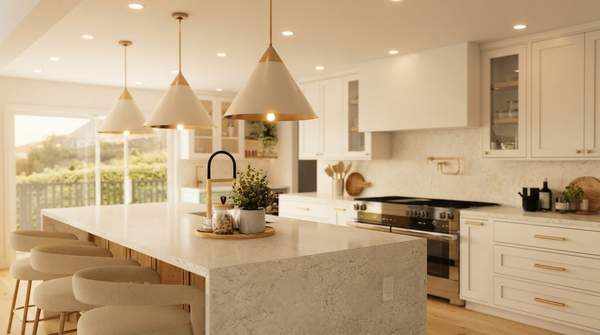
Sculptural lighting adds dimension, acting as functional art beyond a mere light source, notes Scandinavian Designs. It creates visual interest and subtle artistic statements.
5. Woven Baskets

Woven baskets offer stylish, discreet storage while introducing natural texture, notes Scandinavian Designs. They bring organic materials into the space with practical elegance.

6. Sculptural Mirrors

Sculptural mirrors are essential decor, says suzieandersonhome. They expand space, reflect light, and serve as decorative art, making them functional and impactful.

7. Brass Candleholders

Brass candleholders add warm metallic accents and subtle elegance, aligning with mid-century modern influences, according to suzieandersonhome. They create an inviting ambiance.

8. Rattan Trays

Rattan trays bring organic texture and functional elegance, organizing small items with a natural touch, notes suzieandersonhome.

9. Wood Slats

Wood slats create architectural interest and a calming visual rhythm. Wood slats promote serenity through subtle repetition.

The elements collectively create an inviting, layered environment, retaining minimalism's core principles while adding warmth and character. The palette favors warm whites, cream, beige, and light brown, accented by camel, olive green, or terracotta, notes suzieandersonhome. Flooring choices like blonde hardwood or natural tiles further ground the space in texture, enhancing its inviting feel.

The Mid-Century Modern Revival: Blending Timelessness with Warmth

Defining TraitTraditional MinimalismMid-Century ModernWarm Minimalism
Aesthetic FocusStrict functionality, starknessForm follows function, organic shapesComfort, curated simplicity, inviting textures
Key Materials/TexturesMetal, glass, white plasterTeak, walnut, leather, velvet, brassRaw wood, rattan, brass, textured ceramics, soft wool
Color PalettePure white, black, cool graysEarthy tones, muted brights, rich wood huesWarm whites, cream, beige, terracotta, grounding black accents
Emotional ImpactSerene, often perceived as cold or austereSophisticated, optimistic, functional eleganceCalm, inviting, personal, comfortable
Historical InfluenceMinimal historical reference, contemporaryPost-WWII American and Scandinavian designIntegration of mid-century silhouettes, softened with natural elements

Mid-century modern decor remains popular for its timeless silhouettes and pared-back elegance, says Homes and Gardens. Its enduring appeal aligns with minimalism's desire for uncluttered sophistication. The updated fusion marries classic elements with warm minimalism, creating a cohesive, inviting aesthetic.

This fusion honors historical design while adapting to contemporary desires for comfort and understated luxury. Mid-century designs are not merely softened for minimalism; their core principles are inherently minimalist. The inherent minimalist principles of mid-century designs challenge the notion that minimalism must be strictly contemporary or devoid of historical reference, proving timelessness can be both minimal and warm.

Achieving the Look: Intentional Design Choices

Achieving this nuanced aesthetic requires deliberate selection: pieces must offer functional simplicity and curated history, contributing to overall warmth. The public's perception of minimalism as 'stark white' contrasts sharply with current trends favoring 'warm whites, cream, beige,' 'raw wood, bronze details,' and 'mid-century modern decor,' as reported by Homes and Gardens and suzieandersonhome. The contrast between public perception and current trends signals a semantic shift for minimalism itself, moving beyond its cold reputation.

Embracing 'raw wood, bronze details, and grounding black accents' alongside 'warm whites, cream, beige' broadens minimalism's appeal. Embracing 'raw wood, bronze details, and grounding black accents' alongside 'warm whites, cream, beige' makes it inviting to a wider audience who once found it too austere. The shift from a 'stark white reputation' to natural textures signifies minimalism is now about creating tactile, emotionally inviting environments, not just visual decluttering.

The Future of Minimalist Living: Comfort Meets Clarity

The shift towards warm minimalism and mid-century influences signifies a desire for homes that are visually clear, deeply comfortable, and reflect personal style. The aesthetic promises enduring appeal, allowing homeowners to create serene, lived-in spaces, moving away from sterile environments.

Retailers pushing stark, unadorned minimalist products risk missing this market shift. Items like 'aged pottery, rattan trays, brass candleholders,' and mid-century elements are now essential for the 'warm minimalist' aesthetic. The trend reflects a broader consumer preference for character and comfort over rigid adherence.

The integration of mid-century modern's rich textures and classic forms permanently redefines minimalism, making it inherently inviting. By the end of 2026, design firms like Serene Spaces Inc. will likely prioritize these blended aesthetics in new collections, meeting evolving consumer demands for harmonious living.

Your Questions Answered: Embracing Warm Minimalism

What are the key elements of a minimalist home?

Beyond decluttering, a minimalist home focuses on intentionality. Select multi-functional furniture, maintain clear surfaces, and utilize hidden storage to reduce visual noise. The goal is spaciousness and calm through thoughtful curation.

How to achieve a minimalist aesthetic on a budget?

Achieving minimalism on a budget means prioritizing key pieces and DIY. Thrift for mid-century furniture frames to reupholster, or paint existing decor in warm, neutral tones. Focus on affordable natural textiles like cotton or linen.

What furniture is essential for a minimalist living room?

Essential living room furniture includes a comfortable, streamlined sofa, a versatile coffee table (ideally with storage), and a single accent chair with clean lines. Prioritize pieces offering both functionality and elegant form to maintain an uncluttered feel.