Decor

How to Choose the Right Paint Finish: A Complete Guide

Choosing the right paint finish is crucial for both aesthetics and practicality in your home. This guide helps you understand different sheens to ensure your walls look stunning and stand up to daily life.

CW
Clara Whitmore

April 3, 2026 · 10 min read

A serene living room with a wall painted in a sophisticated matte finish, illuminated by natural light, demonstrating the aesthetic impact of choosing the right paint sheen.

Choosing the perfect paint color is an exciting first step in any room transformation, but the decision that truly defines the space is often the one we consider last: the finish. Learning how to choose a paint finish is a crucial part of the design process, as it dictates not just how the color looks, but how it lives and breathes in your home. Paint sheen, which is simply a measure of how much light reflects off a painted surface, can dramatically alter a room's mood and functionality. Imagine stepping into a living room where a soft, velvety matte finish absorbs the light, creating a serene and sophisticated atmosphere. Now, picture a kitchen where a subtle, durable sheen on the cabinets makes for easy cleanup after a bustling family dinner. The right finish marries beauty with practicality, ensuring your walls not only look stunning but also stand up to the demands of daily life. This guide will walk you through every option, helping you select the perfect finish for every room and surface.

Who Needs This Guide to Paint Finishes?

This comprehensive guide is for anyone standing at the crossroads of a home project, paint swatch in hand, wondering what comes next. If you are a homeowner embarking on a full-scale renovation, this will serve as your roadmap to creating a cohesive and durable design scheme. For the renter looking to personalize a space with a fresh coat of paint, understanding finishes will help you make choices that are both beautiful and easy to maintain. DIY enthusiasts planning a weekend project will find practical advice here to avoid common pitfalls and achieve a professional-looking result. Even if you are simply refreshing a single room, from a child's bedroom that needs to withstand creative messes to a bathroom that requires moisture resistance, this guide is for you. It’s designed for those who believe that details matter and that the foundation of a beautiful room lies in making informed, thoughtful choices that blend personal style with everyday performance.

Understanding Paint Sheen Levels and Durability

Before you can choose the right paint finish, it’s essential to understand the spectrum of options available and how they relate to one another. The fundamental principle is this: as the level of sheen increases, so does the paint's durability and washability. A paint's finish is determined by the ratio of resins and binders to pigment levels. Higher concentrations of resins create a harder, less porous surface that reflects more light and is more resistant to stains and scuffs. Conversely, finishes with higher pigment concentrations have a more porous, non-reflective surface. Let's break down the primary categories, moving from the least reflective to the most.
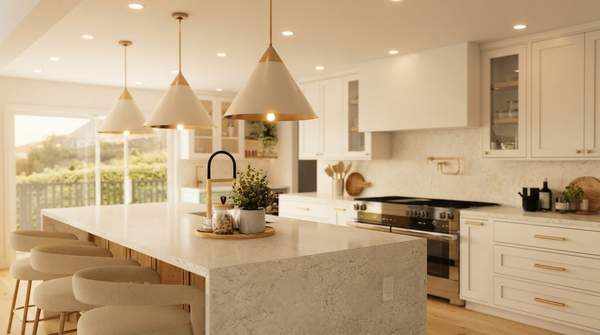
Flat and Matte Finishes: At one end of the spectrum, you have flat and matte finishes. A true flat paint is completely non-reflective, providing excellent coverage and a uniform surface that is exceptionally good at hiding imperfections like bumps, nail holes, or uneven texture on walls. According to paint manufacturer Sherwin-Williams, this makes it a great choice for delivering rich color. A matte finish is very similar, with a nearly shine-free appearance that offers a deep, luxurious feel. However, this beauty comes with a trade-off. These finishes are the least durable. Their porous texture can trap dirt, and they are prone to scuffing. Stains can be difficult to remove, and vigorous scrubbing can lead to "burnishing," which is when the finish develops an unwanted shine in the cleaned area. For this reason, flat and matte paints are best reserved for very low-traffic areas and surfaces that won't be touched often, such as formal living rooms, adult bedrooms, and, most commonly, ceilings.

Eggshell and Satin Finishes: Occupying the popular middle ground, eggshell and satin are the versatile workhorses of the paint world. An eggshell finish, as the name suggests, has a very low sheen, reminiscent of the surface of an egg. It offers a soft glow that is more durable and easier to clean than a matte finish while still doing a respectable job of hiding minor wall imperfections. This makes it a fantastic choice for moderate-traffic areas like living rooms, hallways, and bedrooms. A step up in sheen is the satin finish, which has a smooth, velvety look with a noticeable gloss. It’s even more durable and washable than eggshell, making it a go-to for high-traffic rooms that see a lot of action, including family rooms, playrooms, and even kitchens and bathrooms in some cases. As noted by design professional Bob Borson of Life of an Architect, this finish is often used for windows and doors as well, thanks to its resilient nature.

Semi-Gloss and High-Gloss Finishes: On the shiniest end of the spectrum are semi-gloss and high-gloss finishes. Semi-gloss paint offers a greater sheen than satin, providing a sleek and radiant look. Its surface is tough, highly durable, and very easy to clean, making it an excellent choice for surfaces that take a beating or are exposed to moisture. This includes kitchen and bathroom walls, cabinets, doors, trim, and molding. Some sources suggest that semi-gloss paint is also known for its resistance to mildew, a valuable quality in damp environments. Finally, high-gloss is the most reflective and durable finish available. It creates a hard, shiny, almost glass-like surface that can make a dramatic statement. This finish is ideal for high-impact areas you want to highlight, such as furniture, cabinetry, or an entryway door. The significant downside to these higher-sheen finishes is their unforgiving nature. Because they reflect so much light, they will magnify every single flaw on a surface. Drips, bumps, and unsanded patches will be put on full display, so meticulous surface preparation is absolutely essential for a successful outcome.

Paint FinishSheen LevelBest ForKey Characteristics
Flat/MatteNo shineCeilings, formal living rooms, adult bedroomsHides imperfections, rich color, difficult to clean
EggshellLow sheenLiving rooms, hallways, most bedroomsSoft glow, more durable than matte, decent washability
SatinMedium sheenFamily rooms, kids' rooms, kitchens, bathroomsVelvety look, very durable, easy to clean
Semi-GlossNoticeable shineTrim, doors, cabinets, bathrooms, kitchensSleek look, highly durable, moisture-resistant
High-GlossVery shinyFurniture, front doors, accent trim, cabinetryDramatic effect, most durable, highlights imperfections

Matte vs Eggshell vs Satin: What's the Difference?

For most of the walls in your home, the choice will likely come down to three popular contenders: matte, eggshell, and satin. While they exist on a continuum, the subtle differences between them can have a significant impact on your room's final ambiance and practicality. Understanding these nuances is key to making a selection you’ll be happy with for years to come.

Your decision should start with an honest assessment of the room's function and the condition of your walls. If you are painting a serene, low-traffic space like a formal dining room or a master bedroom, and your walls are in pristine condition, a matte finish can be a stunning choice. Its lack of reflection creates a soft, calming effect and allows the pure pigment of the color to shine through without distraction. It’s the perfect backdrop for art and sophisticated furnishings, lending an almost gallery-like quality to a space. However, if that master bedroom occasionally doubles as a playroom for visiting grandchildren or if you have pets who love to rub against the walls, the poor washability of matte might become a source of frustration.

This is where eggshell enters as an elegant compromise. It provides a finish that is visually very close to matte but with a critical boost in durability. The slight sheen is just enough to allow for gentle wiping of smudges and fingerprints without damaging the paint. It maintains much of the imperfection-hiding quality of matte while giving you peace of mind in moderately used areas. Think of it as the perfect finish for a welcoming entryway, a busy hallway, or a living room that hosts both quiet evenings and lively gatherings. It strikes a beautiful balance, offering a sophisticated look that doesn't demand constant, delicate care.

When durability becomes the top priority, satin is your most reliable ally. Its noticeable sheen gives it a robust, wipeable surface that can stand up to repeated cleaning. This makes it an ideal candidate for the most demanding areas of your home. In a child's bedroom, a satin finish means crayon marks and sticky handprints are a minor inconvenience rather than a permanent fixture. In a bustling family room, it can handle the scuffs and bumps that come with everyday life. While it will highlight surface imperfections more than matte or eggshell, its resilience often outweighs this drawback in high-traffic zones. The velvety glow of a satin finish can also add a sense of dimension to a room, subtly catching the light and enlivening the wall color.

Best Paint Finish for High-Moisture and High-Traffic Zones

Specific areas of your home, such as bathrooms, kitchens, hallways, and mudrooms, have distinct needs beyond general aesthetics. High-moisture environments like bathrooms and kitchens require finishes that resist mildew, while high-traffic zones such as hallways and mudrooms need durability against scuffs and stains. Choosing an unsuitable finish leads to premature wear and constant maintenance.

For high-moisture areas, your primary goal is to select a finish that prevents water from penetrating the paint film and damaging the wall behind it. This is where higher-sheen paints excel. A semi-gloss finish is the traditional and most recommended choice for bathrooms, laundry rooms, and kitchen backsplashes. Its tight, non-porous surface not only repels moisture effectively but is also incredibly easy to wipe down, removing everything from toothpaste splatters to cooking grease. According to home services company Sovereign Construction Services, semi-gloss is also known for its mildew resistance, an invaluable trait in steamy environments. A satin finish can also be a viable option, especially in well-ventilated bathrooms or kitchens where direct water contact isn't a constant threat. Many modern paint formulations now include mildewcides in their satin lines, offering a less shiny but still durable alternative.

When it comes to high-traffic zones, the main concern is durability against physical contact. Hallways, stairwells, mudrooms, and children's rooms are constantly subjected to scuffs from shoes, bumps from bags, and smudges from hands. In these areas, a finish that can be scrubbed without showing wear is essential. Satin is an excellent all-around choice, providing a great combination of washability and a pleasant, low-key sheen. It’s tough enough to handle the daily grind while still looking elegant on your walls. For even more demanding areas, or for the trim, doors, and baseboards within these zones, stepping up to a semi-gloss finish is a wise move. These architectural elements take the most abuse, and a semi-gloss coating will protect them while making them simple to clean, ensuring they look crisp and fresh for longer.

Our Recommendations

Understanding paint finish options allows for tailored advice. Your home and lifestyle are unique, requiring a finish that seamlessly integrates into your specific environment and needs.

  • For the Aesthete with an Older Home: If you love the character of your home but are contending with less-than-perfect plaster walls, go with a Flat or Matte finish. Its non-reflective nature is incredibly forgiving and will masterfully conceal minor bumps, cracks, and patches, giving your walls a smooth, uniform, and sophisticated appearance that highlights the home's historic charm.
  • For the Practical Parent: In a home filled with the joyful chaos of children, durability is non-negotiable. Choose an Eggshell or Satin finish for your main living areas, hallways, and bedrooms. These finishes provide the washability you need to easily tackle fingerprints, food smudges, and art projects gone astray, without sacrificing a warm and inviting look.
  • For the Kitchen and Bath Renovator: When updating the hardest-working rooms in your home, performance is paramount. Opt for a Semi-Gloss finish on walls, trim, and especially cabinets. It will stand up to steam, grease, and frequent cleanings, keeping your kitchen and bathrooms looking bright, clean, and well-maintained.
  • For the Detail-Oriented Designer: If you believe that trim and doors are the jewelry of a room, make them shine with a Semi-Gloss or High-Gloss finish. This creates a beautiful contrast against lower-sheen walls, defining the room's architecture and adding a touch of polished elegance. A high-gloss front door can also create a stunning and welcoming first impression.

Frequently Asked Questions

What is the most popular paint finish for interior walls?

The most popular paint finishes for general interior walls are eggshell and satin. They offer the ideal compromise for most homeowners, providing a durable, cleanable surface that is more resilient than matte, but with a much softer and more forgiving appearance than semi-gloss. Eggshell is often favored for living rooms and bedrooms, while satin is a top choice for higher-traffic areas like hallways and family rooms.

Can I use the same paint finish throughout my entire house?

While you certainly can use a single finish for simplicity, it's generally not recommended for the best results. A home has different zones with different needs. Using a durable satin or semi-gloss in a bathroom is crucial for moisture resistance, but that same level of shine might feel sterile or institutional in a cozy bedroom where a soft matte or eggshell would be more appropriate. Using a flat finish on ceilings is standard practice because it hides imperfections and doesn't reflect light downward. A thoughtful, room-by-room approach will yield a more beautiful and functional result.

How does paint finish affect the way a color looks?

Paint finish has a significant impact on color perception. Higher-sheen finishes, like satin and semi-gloss, reflect more light, which can make a color appear slightly richer, deeper, and more saturated. A flat or matte finish, by contrast, absorbs light and can give the color a softer, more muted appearance. This is why it is absolutely essential to test a paint sample in the exact finish you plan to use. A color you love in a matte swatch might look entirely different with the shine of a semi-gloss.

The Bottom Line

Selecting the ideal paint finish balances aesthetics, durability, and lifestyle. Consider each room's function and surface condition to choose a finish that performs beautifully for years. Next, visit a paint store, gather samples, and paint small test patches on your walls to evaluate them in your home's unique light.