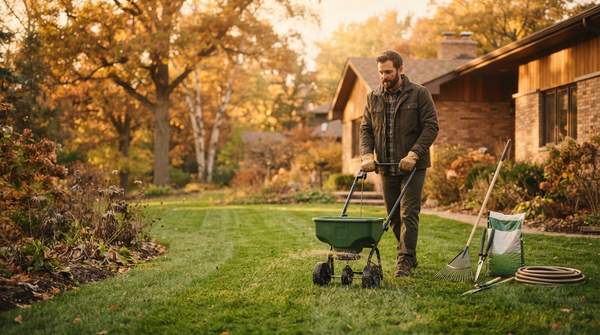
As autumn leaves fall and temperatures drop, the work you do on your lawn now is critical for its health and appearance next spring. Preparing your grass for the cold months ahead involves more than just a final mow; it’s about building strong roots, preventing disease, and ensuring a quick, green return when the weather warms. Key tasks like clearing debris, aerating the soil, and applying a final round of fertilizer provide the essential nutrients and protection your lawn needs to survive winter dormancy and thrive in the spring.
Your Pre-Winter Lawn Care Checklist
To ensure a lush, healthy lawn next year, follow this prioritized action plan. Each step is designed to address a specific challenge your lawn faces during winter, from fungal diseases to nutrient depletion. Completing these tasks in the fall sets the stage for a vibrant spring comeback.
| Task | Purpose and Benefit | Optimal Timing | Grass Type Considerations |
|---|---|---|---|
| 1. Adjust Final Mow Height | Protects grass crowns and roots from frost, reduces the risk of snow mold, and prevents matting that can harbor pests and disease. | Perform the final mow when grass growth slows significantly, just before it goes dormant for the winter. | For cool-season grasses (fescue, Kentucky bluegrass), Fairway Lawns recommends a height of 2–2.5 inches. For warm-season grasses (Bermuda, St. Augustine), aim for 1–1.5 inches. |
| 2. Clear All Debris | Prevents fungal diseases like snow mold from developing under wet, matted leaves. It also deters pests and ensures sunlight and air can reach the grass. | Continuously remove leaves throughout the fall. Ensure the lawn is completely clear of leaves, furniture, and other items before the first persistent snow or freeze. | This is crucial for all grass types, as a thick layer of debris can suffocate any lawn. |
| 3. Aerate the Soil | Alleviates soil compaction from summer foot traffic, allowing oxygen, water, and nutrients to reach the root zone. This promotes stronger, deeper root growth before winter. | Early to mid-fall is ideal, as this gives the grass time to recover and strengthen its roots before the ground freezes. | Especially beneficial for lawns with heavy clay soil or high foot traffic. It is effective for both cool- and warm-season grasses. |
| 4. Apply Fall Fertilizer | Provides essential nutrients that roots absorb and store over winter. This process, which Gerhart's Landscaping calls "hardening off," helps the lawn survive the cold and leads to a faster, greener emergence in spring. | Apply after aerating and before the ground freezes, allowing the nutrients to be absorbed by the roots. | Use a fertilizer formulated for fall or winter application. According to one guide, a product with at least 10% nitrogen is beneficial. |
| 5. Prepare Equipment | Ensures your mower and other tools are ready for immediate use in the spring, preventing delays and potential damage to the lawn from dull blades or malfunctioning equipment. | Complete this after your final mow of the season, before storing equipment for the winter. | Not specific to grass type, but a universal best practice for equipment longevity and performance. |