If your home reverts to chaos shortly after every organizing push, the problem is rarely your bins, your labels, or your shelving. Professional organizers consistently point to a handful of counterproductive habits — and most of them start before you ever open a drawer. The single most common error, according to organizers who work inside clients' homes, is trying to organize clutter instead of first eliminating it. The good news: each of these mistakes has a specific, expert-recommended correction.
The Hidden Hurdles to Lasting Home Organization
Before the practical fixes, it helps to understand why organizing is so hard in the first place. Writing in The Washington Post, Jolie Kerr observes that professional organizers are "like therapists in a lot of ways," because "our relationship to our things, to our stuff is complicated." Her framing is worth sitting with: the difficulty is not logistical. She asks readers to think about items they're holding onto that they don't use, need, or want, and then to notice the feelings — "guilt, shame, overwhelm, maybe even anger" — that surface when facing the task of dealing with them.
That emotional load explains a pattern organizers see constantly: when big feelings are involved, getting organized takes more than just putting things in bins or drawers. The mistakes below aren't character flaws. They're predictable responses to guilt, fear of waste, scarcity-driven thinking, and the desire for a fast escape from an overwhelming job.
Mistake 1: Organizing Clutter, Not Eliminating It
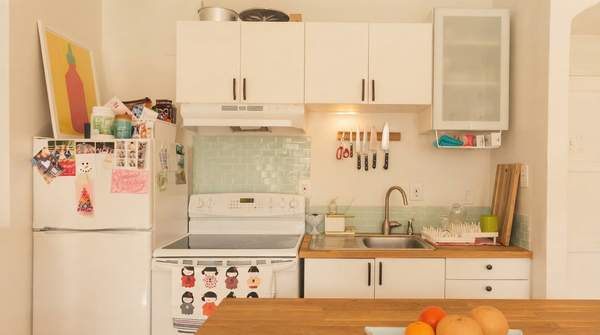
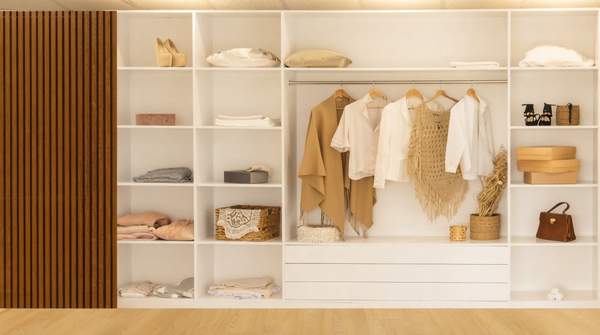
The most frequently cited error in the organizing world is skipping decluttering entirely. Professional organizer Macie Kreutzer, writing for Business Insider, calls it one of the biggest mistakes she sees "inside almost every home" she enters: trying to organize before decluttering "almost never works." Her reasoning is procedural, not aesthetic. Organizing and decluttering are two different things, she explains. If you don't edit a home and eliminate unnecessary items first, "there is no clarity, and everything is simply shifted around instead of serving an intentional purpose."
Her strategy is concrete and repeatable. First, pull everything out of one space — a single drawer, shelf, or closet. Then put back only the things you genuinely need or love. Only after that editing step does actual organizing become possible, because you're no longer building systems around items that shouldn't be there in the first place. Organizer Lori Cela of Time 4 Organizing adds a sequencing rule for whole-house jobs: if there's visible clutter anywhere, attack that first — clear counters, walkways, tables, and beds — savor that visual success, and only then tackle closed spaces one at a time.