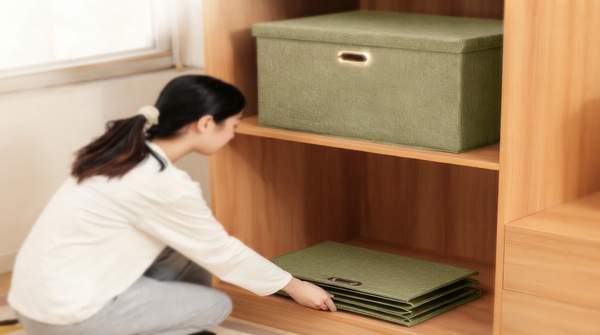
On kitchen shelves, matching sage green baskets on the top and bottom now frame glass jars in the middle, transforming a utilitarian space into a deliberate design statement. This simple visual trick elevates everyday storage, making the entire area feel thoughtfully arranged.
Organizing often feels like a chore to hide mess. But the Sandwich Method transforms it into an intentional design choice. By applying simple visual principles, mundane storage becomes a deliberate aesthetic statement, making organization a true part of interior design.
What is the Sandwich Method for Organizing?
The Sandwich Method focuses on visual aesthetics, creating a balanced and appealing look. Ben Soreff emphasizes this visual approach: top and bottom items match, while the middle contrasts, as reported by Homesandgardens. Picture a sandwich: two pieces of matching bread frame a contrasting filling.
This approach visually 'frames' less aesthetically pleasing but necessary items. They transform into part of a larger design narrative, not just hidden clutter. Even mundane storage becomes a curated display, much like a fashion accessory elevates an outfit.
How to Apply the Sandwich Method Beyond Storage?
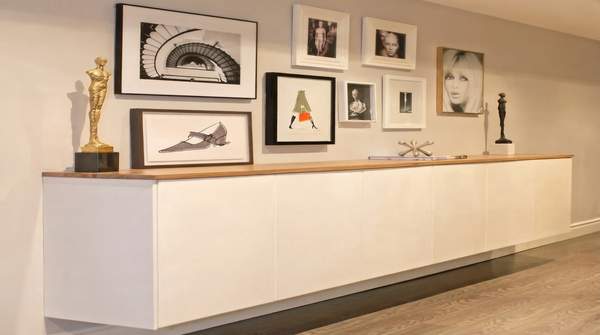
The Sandwich Method extends beyond simple shelf organization, applying broadly across interior design. This versatile technique enhances any room's aesthetic, creating visual contrast similar to how accessories add vibrancy to an outfit, as reported by Homesandgardens.
You can use this method in various settings, such as styling a bookcase or arranging items on a coffee table. For example, placing two matching decorative boxes on the top and bottom shelves of a bookcase, with a collection of diverse books and small sculptures in between, applies the principle. This creates a cohesive visual anchor for the more varied items.
The method’s simplicity belies its sophisticated psychological effect. It makes even utilitarian displays feel intentional and visually appealing. This strategy allows you to integrate functional items seamlessly into your decor, blurring the lines between pure function and aesthetic intent.